How live casino studios recreate a real casino atmosphere
Walking into a real casino in Sydney or Melbourne, you notice things long before the first hand is dealt. The soft hum of conversation, the clatter of chips, the green felt under bright lights, the slow rotation of the roulette wheel. Recreating that sensory mix on a screen is no small task, yet live casino studios spend millions of dollars each year chasing exactly this illusion. Modern streaming technology, theatrical lighting, professional dealers and carefully engineered acoustics all combine to bring the floor to your lounge room or your phone on the train to Brisbane.
For Australian players, the appeal is partly practical. Many gamblers in the country cannot visit Crown Melbourne or The Star Sydney as often as they would like, and regional centres such as Adelaide or Perth have limited land-based options. Live dealer sessions fill that gap by delivering something that automated RNG games cannot, a human presence, a sense of place and the gentle pressure of being watched by a real person across the table.
Studio design and physical layout
A live casino studio is essentially a television set engineered for gambling. Walls are dressed with dark wood panelling, brass fittings and felt-lined tables to echo the look of venues like Crown Melbourne's Southbank precinct or the heritage rooms at The Star in Pyrmont. Ceilings are kept low so the lighting rigs can wash the tables in warm pools of light, and the background is decorated with shelving, decorative screens and soft furnishings so the camera always has something interesting in shot.
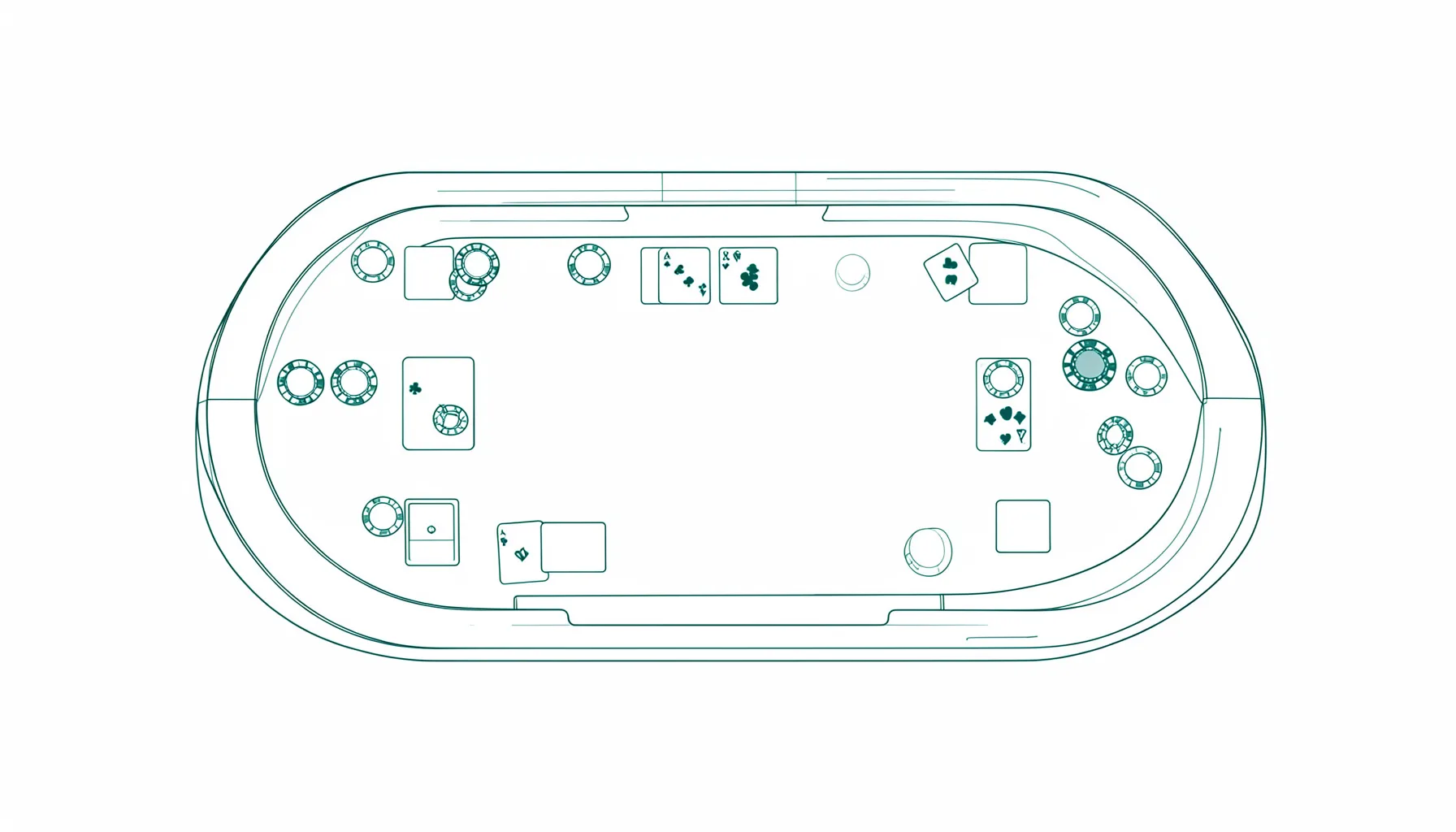
Layout matters as much as decoration. Producers position tables at angles that allow multiple camera feeds without showing cables, mirrors or backstage staff. Blackjack, baccarat and roulette tables are spaced out so the sound of one game does not bleed into another, and lighting is balanced to eliminate glare on screens from the Australian afternoon sun that sometimes leaks through studio skylights. For anyone curious about how the layers fit together, a behind-the-scenes tour walks through the full production floor in detail. The aim is to give every player the impression that they have been dropped into a private salon rather than a warehouse in Manila, Riga or Bucharest.
Camera work and visual production
The single biggest leap in atmosphere over the past decade has come from camera technology. A few years ago, players saw a single fixed-angle shot of a wheel or a shoe. Today, a typical live casino feed uses eight to fourteen cameras, including overhead shots for roulette, eye-level angles for blackjack and slow-motion close-ups for the reveal of cards. Optical character recognition overlays the results onto the screen within milliseconds, so the visual feedback feels just as immediate as it does at a real table.
Australian players who join from regional areas with patchy NBN coverage sometimes notice the difference straight away. The article on internet speed matters explains why a stable connection matters so much for multi-camera feeds, and it ties directly to the atmosphere question. When the stream drops frames or buffers, the illusion collapses, and the player is suddenly reminded they are watching a video rather than sitting in a velvet booth.
Dealers, croupiers and human presence
No set, however expensive, can replace the human element. Studios hire presenters who are trained in both dealing and stagecraft. They learn conversational scripts, eye contact through the lens, how to keep up a steady stream of small talk when a Sydney player tips them on a winning streak, and how to manage the awkward silences that happen when the table is empty between rounds. Many studios recruit from hospitality backgrounds, and some poach staff from cruise ships that service the Pacific routes from Cairns or Fremantle.
Dealers also double as cultural bridges. A studio broadcasting to Australia may schedule shifts that overlap with AEST, so when you log on at 9pm Sydney time, a friendly English-speaking croupier is greeting the table rather than a sleepy operator in the middle of a European night. The clothing, body language and even the accent are calibrated for the target market. Some studios run separate rooms for VIP players, similar to the high-roller salons inside Crown Perth, where the dress code is sharper and the pace is slower.
Sound design and the ambient mix
Atmosphere is half visual and half audio, and sound is where studios are most inventive. The background hum is not random noise. It is a layered mix of distant chatter, soft jazz or lounge music, the click of chips, the rustle of cards and the occasional burst of laughter from an adjacent table. Microphones are placed above each table to capture the dealer and the immediate action, while ambient mics pick up the wider room to give the sense of a busy floor.
For Australian audiences used to the pokies rooms of clubs in Brisbane or the hushed poker rooms of Melbourne, this soundscape matters. It signals that you are somewhere special, somewhere with its own rules and rhythm. Studios also engineer the audio to mask technical imperfections, so the gentle hiss of air conditioning or the buzz of studio lights never reaches the player. The result is a sonic environment that feels curated, almost cinematic, and far removed from the sterile silence of a computer-generated card game.
Game selection, pacing and player choice
The pace of a live casino is deliberately slower than an RNG game, and that is part of the atmosphere. A blackjack hand takes around fifteen seconds to deal, settle and clear the table. Roulette spins last eight to ten seconds, with the ball bouncing along the wheel long enough for suspense to build. This pacing mirrors the cadence of a real casino in Sydney's Barangaroo or the table games floor at the Treasury Casino in Brisbane, where patience is part of the experience.
Studios also curate which games they offer. Blackjack, roulette, baccarat and sic bo are staples, but game-show titles like Crazy Time, Monopoly Live and Lightning Roulette have become fixtures because they add theatricality. Side bets, multipliers and bonus rounds recreate the excitement of a crowded craps table or a busy Friday night at the casino. For newcomers, the variety can feel overwhelming, but the comparison below maps out the most common formats and what kind of atmosphere each one delivers.
| Format |
Visual style |
Typical pace |
Atmosphere focus |
| Classic Blackjack |
Dark wood, green felt, single camera |
Medium |
Traditional, intimate |
| Speed Blackjack |
Same studio, faster dealing |
Fast |
Energetic, competitive |
| European Roulette |
Overhead wheel, close-up ball tracking |
Slow to medium |
Suspenseful, cinematic |
| Lightning Roulette |
Same wheel with electric overlay |
Medium |
Flashy, high-energy |
| Baccarat Squeeze |
Velvet table, slow card reveal |
Slow |
Refined, dramatic |
| Game-Show Titles |
Bright colours, large wheel, host |
Variable |
Theatrical, party-like |
Getting the most out of the experience
Players in Australia who want the full atmosphere should treat a live casino session like a night out rather than a quick spin. Choose a quiet time to log in, such as a weekday morning before the Sydney rush, when studios are less pressured and dealers have more time to chat. Use a wired ethernet connection if possible, especially if your home NBN struggles during peak hours, since a stable stream preserves both the visuals and the carefully mixed audio.
It also helps to manage the emotional side of live play. A clear head keeps the experience enjoyable, and a session grounded in the psychology of tilt in poker and how to control it applies just as well to live blackjack or baccarat when the cards start running cold. Set a budget the same way you would when visiting Crown Melbourne or your local RSL, and treat each session as entertainment rather than a path to a payout.