Inside a Live Casino Studio: A Behind-the-Scenes Tour of Modern Streaming
For many players in Sydney, Melbourne, and Brisbane, the idea of walking into a real casino floor feels distant. Crown Melbourne and The Star Sydney are well-known destinations, yet most Australians who enjoy table games now play from a laptop on the couch or a phone at the beach. That shift is powered by live dealer studios, the production hubs where human croupiers run real cards, real wheels, and real roulette balls while a stream carries every moment to living rooms across the country.
These studios blend traditional casino choreography with television-grade production. Cameras, microphones, lighting rigs, and game control units all work together so that a blackjack table in a warehouse in Riga or Bucharest can feel like a private VIP room in a high-rise on the Gold Coast. The illusion is intentional, and building it takes dozens of specialists working in tight coordination.
Players often notice only the dealer and the cards. Behind that single screen, however, lies a layered operation involving pit bosses, camera operators, IT engineers, translators, and compliance officers. Each shift runs like a small broadcast, with scripts, cues, and quality checks that mirror a newsroom more than a casino floor. Understanding what happens behind the glass can change how you approach every session.
This tour walks through the physical layout, the people, the equipment, and the software that turn a studio into a live casino. It also touches on the technical path a stream takes from a camera lens in Europe to a smartphone screen in Perth or Adelaide, and why Australian time zones shape the schedule more than most newcomers realise.
The Studio Floor and Layout
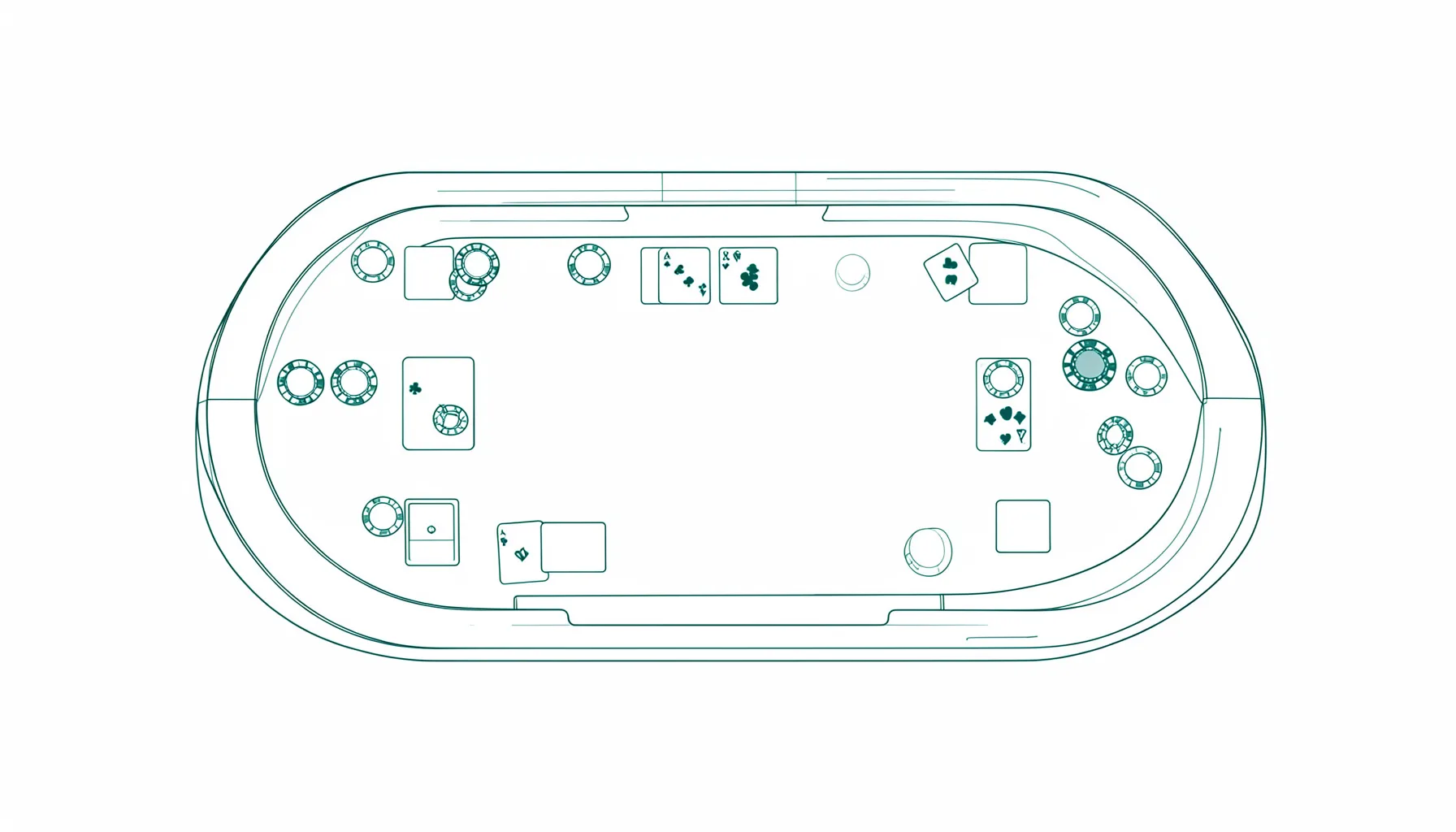
A live dealer studio is usually a converted warehouse divided into purpose-built sets. One zone holds blackjack tables arranged in a horseshoe, another carries several roulette wheels under soft overhead lighting, and a third might host baccarat or game-show-style formats. Walls are painted matte grey or deep navy to reduce glare on the cameras, and every surface is engineered to absorb echo so card shuffles and chip clacks come through clearly on the stream.
Floors are typically raised slightly to allow cable runs for power, network, and audio. Lighting towers are mounted on overhead trusses, with each rig calibrated so the dealer is evenly lit without harsh shadows on the felt. Many studios also include a green room for breaks, a makeup area, and a small control booth separated by one-way glass. The Star's land-based operation in Sydney and Crown Melbourne run similar layouts on a grander scale, but the principles translate directly.
Security is layered. Dealers pass through staff-only corridors, the pits are monitored by overhead cameras that record independently of the stream, and access badges restrict every door. Australian-facing studios usually operate under European licences, which is why the physical location is often overseas even when the players are logging in from Brisbane or Hobart.
The Dealers and Their Training
The dealer is the face of the studio, and training pipelines are surprisingly strict. Recruits typically audition with several rounds of dealing practice, language checks, and on-camera trials. Standards vary, but most major studios require fluency in at least two languages, with English being mandatory because the bulk of international traffic, including Australian players, expects it. Dealers learn not just the game mechanics but also the rhythm of presenting to a lens.
A typical shift runs six to eight hours with scheduled breaks. During that time, a croupier might rotate between three or four tables to keep energy fresh, although some prefer specialty stations such as the high-limit roulette pit. They are trained to manage the chat box, acknowledge players by nickname, and maintain a steady pace without rushing decisions. A dealer who consistently delivers poor audio or loses track of bets is moved off camera quickly, because player retention depends heavily on personality and clarity.
Australian players tend to value a relaxed, conversational tone, which suits studios that lean toward English-speaking hosts. Some studios based in Malta and the Philippines run dedicated English-only rooms to serve that market. Those rooms often overlap with Australian prime time, since the time difference between Sydney and most European studios is workable for evening sessions.
Cameras, Microphones, and the Production Equipment
Modern live casino tables are surrounded by between four and fifteen cameras, depending on the format. A standard roulette setup usually includes a wide-angle overhead camera, a wheel-level slow-motion camera, a dealer close-up, and a picture-in-picture feed for results. Blackjack tables add a card-reading camera mounted above the shoe. Game-show titles push the count higher, with dolly shots, roaming cams, and occasionally drones for promotional segments.
Microphones are positioned just out of frame but close enough to capture the snap of a card or the click of the ball settling into a pocket. Many studios now use shotgun mics aimed at the felt, which filter out background chatter from neighbouring tables. Audio engineers in the control booth monitor levels in real time and can mute a dealer who drifts off script or whose connection drops.
Latency is the silent enemy of every stream. Studios invest heavily in fibre connections and redundant network paths so that the delay between a card being dealt and a player seeing it stays under two seconds. That tight timing is what allows live betting windows to close precisely, and it is one of the reasons the experience feels closer to being at Crown Melbourne than to playing a slot machine. Players exploring slot-style alternatives can appreciate how different the technical demands are once they have seen a live room in action.
Game Control Units and Software
Beneath every live table sits a game control unit, often shortened to GCU. This small device, roughly the size of a shoebox, is the bridge between the physical game and the digital interface. It encodes the card values, wheel results, and chip placements into data that the streaming platform translates into on-screen graphics and betting history. Without the GCU, the dealer could spin the wheel, but the software would have no way to verify outcomes.
On top of that hardware, providers layer their own software stacks for betting windows, side bets, and chat moderation. Random outcomes are governed by physical equipment rather than algorithms, which is a key selling point for players who are sceptical of digital random number generators. The wheel, the cards, and the shoe are the actual source of randomness; the software simply reads and displays them.
For Australian players, the practical takeaway is that any dispute over a result can theoretically be reviewed using the studio's own recordings. Independent regulators such as the Malta Gaming Authority or the UK Gambling Commission audit these setups regularly. That third-party scrutiny is part of why live studios have built trust with cautious markets, and why even seasoned punters from Adelaide who usually stick to sports betting will sometimes dip into a live baccarat room on a Saturday night.
How Streams Reach Players in Australia
Once the feed leaves the studio, it travels through a content delivery network that caches the stream at servers closer to the player. An Australian user typically connects to a node in Singapore, Sydney, or Los Angeles, which keeps the total round-trip delay short. Most major studios also publish recommended connection speeds, generally around 1.5 Mbps for standard definition and 5 Mbps for full HD.
Mobile compatibility is now a baseline expectation. Studios produce separate vertical or square crops for portrait-mode viewers, while still feeding the traditional 16:9 ratio to desktop players. The interface usually lets you switch between camera angles, peek at betting history, or tip the dealer, all of which add a small amount of bandwidth. Some players stream over 4G or 5G during a commute from Parramatta to the CBD, which works fine provided signal is steady.
Device variety also shapes how studios design their overlays. Text is rendered larger, chat bubbles are placed to avoid thumb zones, and the betting grid is re-laid when the phone tilts. The end result is that the same studio feed can feel native on a fifty-five-inch television in a Melbourne apartment and on a six-inch phone in a Perth café. For anyone curious about how studios handle player data during these sessions, the privacy policy on a typical platform outlines retention and consent practices clearly.
Behind the Scenes: Shifts, Breaks, and Quality Control
Beyond the glamour, studio life is structured around tight operational discipline. Shift handovers include dealer briefings on player trends, chat moods, and any technical quirks from the previous round. Pit supervisors walk the floor watching for bet disputes, slow payouts, or signs that a dealer is fatiguing. Quality control reviewers later sample recorded sessions and grade dealers on accuracy, presentation, and adherence to procedure.
Technology also helps with oversight. Optical character recognition watches chip stacks in real time, RFID readers in some tables track each bet, and anomaly detection flags irregular play patterns that could hint at cheating or collusion. If something looks off, the pit boss can pause a table, void hands, and rerun a verification routine before reopening the betting window. These safeguards are invisible to most players but form the backbone of trust.
Outside the studio, marketing teams study which dealers drive longer sessions, which game-show formats perform best during Australian evening hours, and how promotions convert across states. Some studios even invite regional partners to visit, and independent reviewers occasionally tour facilities to confirm standards. Curious readers who want to compare these operations against broader platform behaviour can also explore external industry overviews for context on how live dealer providers stack up globally.
The result of all this behind-the-scenes work is a product that feels effortless at the player end. A click of the deal button in Brisbane triggers a card flip in a studio thousands of kilometres away, captured by a dozen cameras, verified by sensors, moderated by a pit boss, and streamed in near real time. Knowing the machinery behind the curtain does not dull the thrill of the game. If anything, it makes every winning hand at a live blackjack table feel a little more earned.