Why A Fast Connection Matters In Live Dealer Games
Live dealer games depend on a continuous video connection between your device, the casino studio, and the betting platform. When the stream runs smoothly, you can follow the dealer’s actions, see cards and roulette results clearly, and place decisions within the expected window. A slow or unstable connection can interrupt that flow at exactly the wrong moment.
Internet speed matters for live dealer games because these sessions combine real-time video, two-way communication, betting controls, and account data. The best experience is shaped by download speed, upload speed, latency, wireless stability, and the quality of the casino’s own broadcast. A fast plan helps, but it cannot correct every network or platform problem.
What The Stream Actually Requires
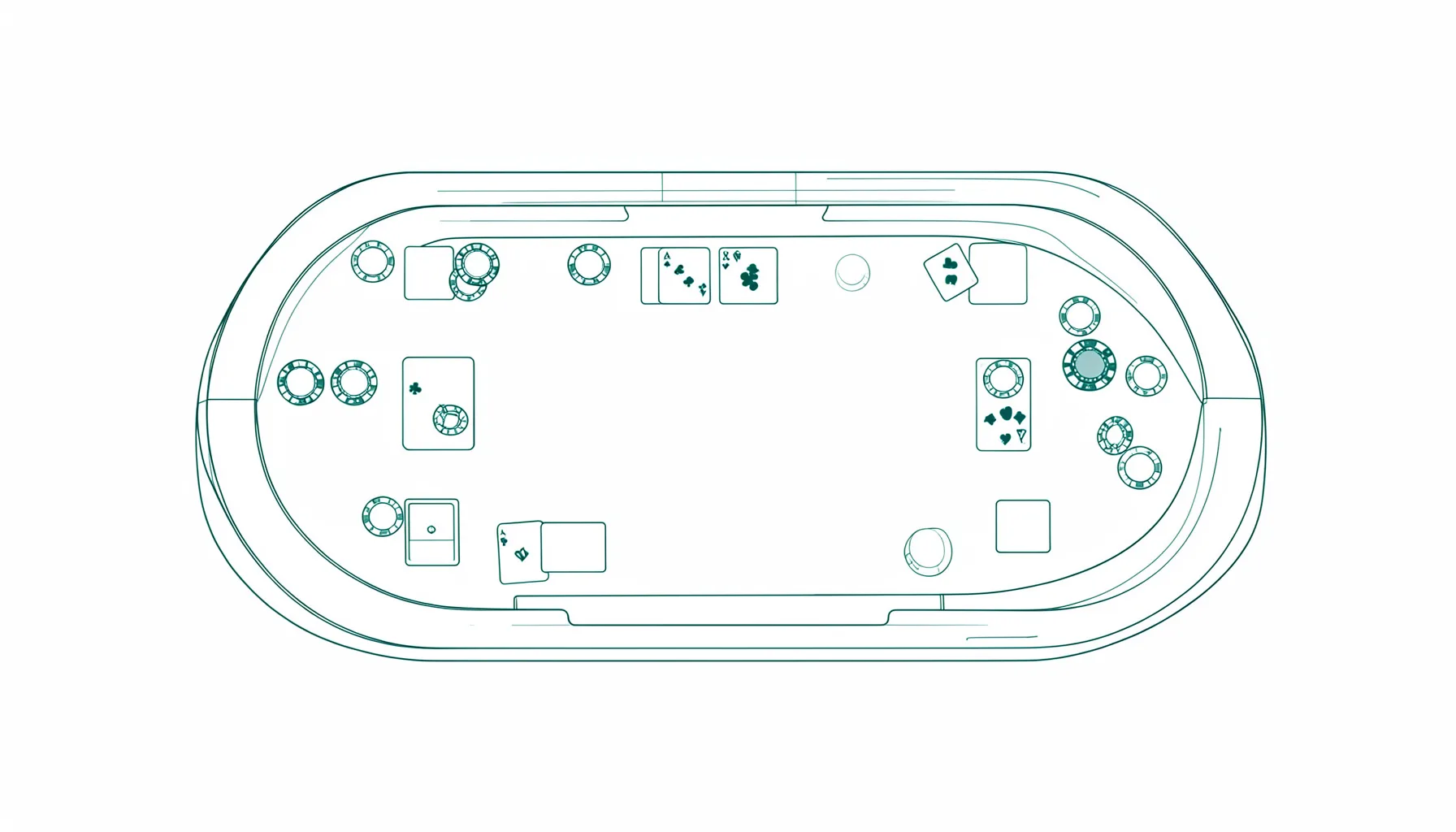
A live blackjack or baccarat table sends a high-definition video feed to your screen while your device sends actions back to the game server. Roulette and game-show formats use the same basic arrangement, although their visual demands can vary. A studio with several camera angles, animated betting panels, and dealer chat may consume more data than a simple static interface.
For many players, a stable connection of around 10 Mbps is sufficient for a clear live stream, while 25 Mbps or more gives additional room for other household activity. These figures are practical guidelines rather than guarantees. A busy Wi-Fi network, an older phone, or an overloaded casino server can create delays even when a speed test reports a strong result.
Latency is the time taken for information to travel between your device and the game server. It is measured in milliseconds and has a direct effect on responsiveness. Low latency helps your bet register quickly, makes chat feel immediate, and reduces the risk of a screen appearing frozen while the table has already moved on.
How Delay Changes The Playing Experience
A delayed stream can make the dealer’s actions appear out of sequence. You may see a card dealt several seconds after it was recorded by the platform, or watch the betting timer continue while your interface is still loading. In a fast game, that gap can cause confusion about whether a wager or decision was accepted.
This is especially important in blackjack, where a player may need to choose hit, stand, split, or double within a limited period. Understanding the differences between a live table and automated software is easier with this blackjack comparison, since a real dealer, table procedure, and timed interaction all affect the pace.
Disconnections are more disruptive than ordinary buffering. If the game loses contact just after you select an action, the platform may record the request, reject it, or hold the round for verification. Reputable operators display a bet history and result log, but players should still avoid treating an unstable connection as a minor inconvenience.
Bandwidth Is Only Part Of The Picture
Download speed controls how quickly video and interface elements reach your device. Upload speed is usually less demanding, yet it still supports your outgoing actions, chat messages, and account communication. A connection with strong download performance but poor upload capacity can produce an attractive picture while your commands take longer to reach the server.
Latency, packet loss, and jitter also deserve attention. Packet loss means some data fails to arrive and must be sent again, while jitter describes inconsistent timing between packets. These problems can cause a stream to blur, pause, or jump forward. A wired Ethernet connection generally offers greater consistency than distant Wi-Fi, especially in a home with several connected devices.
The casino’s server location and content delivery system influence performance as well. An Australian player connecting to a server in another region may experience higher ping than someone located closer to the studio. A platform with well-managed streaming infrastructure can still perform well across long distances, but the result depends on routing between the internet provider and the operator.
Australian Networks And Playing Conditions
Australian households often rely on the NBN for home internet, but performance varies between fibre, fixed wireless, hybrid fibre-coaxial, and satellite services. A household in inner Sydney or Melbourne may have several broadband choices, while a regional user near Townsville, Hobart, or Alice Springs may face different availability and evening congestion. The advertised plan speed is therefore only one part of the practical experience.
Mobile play is common during commutes, lunch breaks, or quiet periods after work. Australia’s 4G and expanding 5G networks can handle live casino video in many urban areas, including Brisbane, Perth, and Adelaide. Signal strength can change inside apartment buildings, on trains, or along regional roads, and a mobile data allowance may be consumed quickly by extended high-definition sessions.
Legal conditions also matter when evaluating a live dealer service. Under Australia’s Interactive Gambling Act 2001, online casino-style services are generally prohibited from offering these games to people in Australia, while state and territory authorities regulate land-based casinos. The Australian Communications and Media Authority blocks some illegal offshore gambling websites, and offshore platforms may provide fewer local consumer protections. Checking the current legal position and the operator’s terms is part of responsible research.
Ways To Keep A Live Session Stable
A few practical steps can reduce interruptions before a table opens. Run a speed test at the same time of day you usually play, since evening demand may expose weaknesses hidden during quiet morning hours. Close cloud backups, video calls, large downloads, and other bandwidth-heavy services on the same connection.
When using mobile data, check whether the device has switched between 4G and 5G or entered a weak indoor coverage area. A nearby router, a wired connection, or a reputable mesh system may help at home. Players should also use an updated browser or app, because outdated software can struggle with secure video, account authentication, and interactive table controls.
- Prefer a stable connection with low latency over a high headline speed alone.
- Use Ethernet or strong 5 GHz Wi-Fi when playing from home.
- Pause streaming, downloads, and automatic device backups during a session.
- Keep a record of the round, bet history, and support reference if a disconnection occurs.
- Set a data limit for mobile play when using 4G or 5G.
Why Stability Supports Better Decisions
A dependable connection creates a clearer rhythm for live blackjack, roulette, baccarat, and game-show titles. You can watch the dealer’s hand movements, read the betting countdown, and assess the table without repeatedly wondering whether the screen is current. This does not change the outcome of a random game, but it makes the rules and timing easier to follow.
Stable access is also useful for newcomers learning how live tables operate. Dealers may explain procedures, announce results, and respond to chat, while the interface displays minimum bets, roadmaps, side wagers, or payout information. If the screen keeps freezing, a new player may misread a routine delay as a game error.
Connection quality should therefore be viewed as part of the overall live casino setup, alongside game rules, operator reliability, device compatibility, and personal limits. A fast, consistent network cannot guarantee a winning result, yet it can reduce avoidable confusion and make each recorded action easier to verify.