Understanding the Pit Boss in Streamed Casino Games
In a streamed casino game, the dealer is the person visible at the table, but the pit boss is often the quiet authority working just beyond the camera. This supervisor oversees several tables, supports dealers, checks unusual situations and helps keep the session consistent for everyone watching from a phone or laptop.
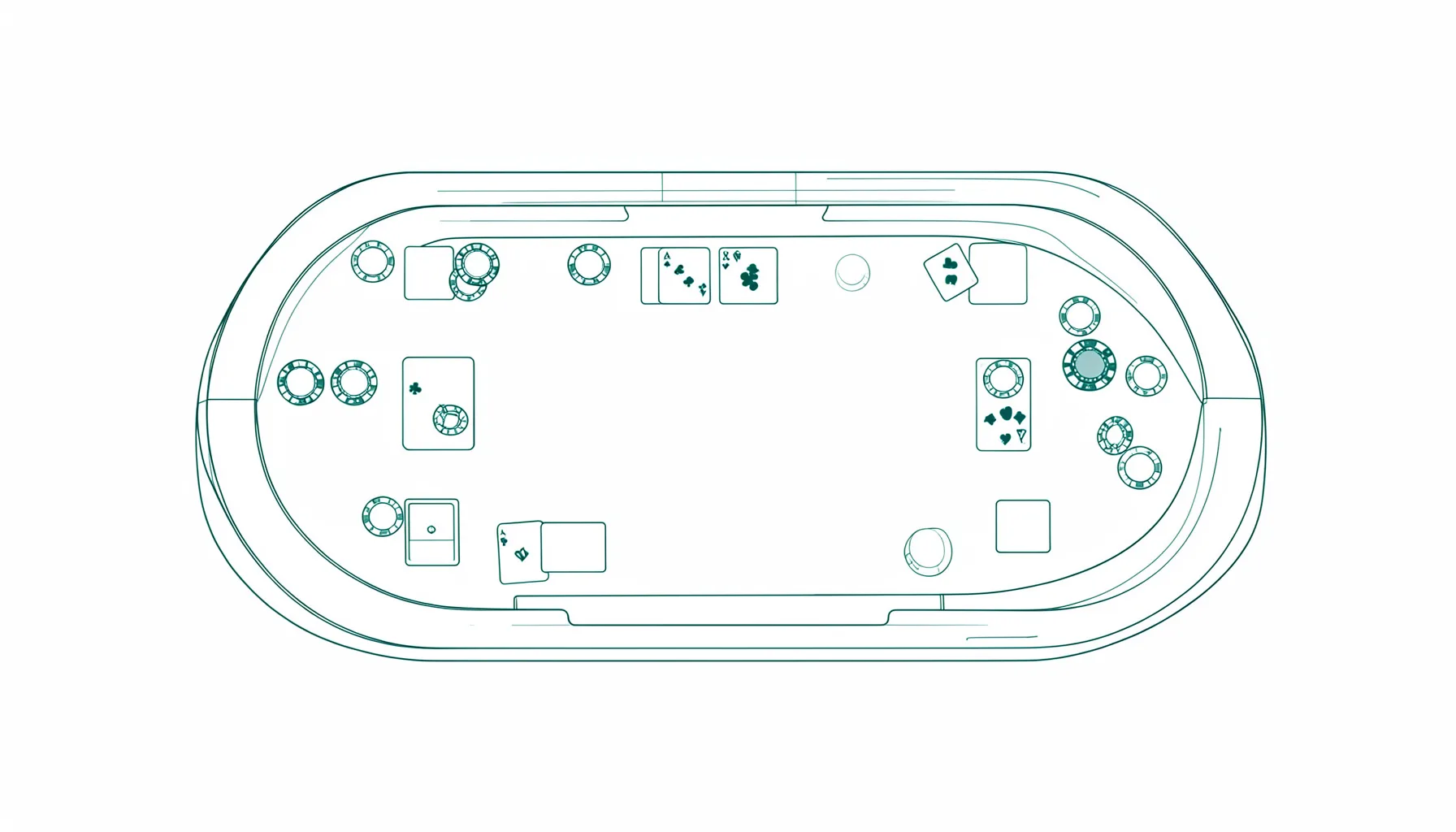
The role comes from traditional casino floors, where a pit boss manages a section, or “pit”, containing games such as blackjack, roulette and baccarat. In a live online studio, the same principle is adapted to a broadcast environment. The supervisor may monitor multiple feeds, communicate through an earpiece and coordinate with technical and payments teams.
For Australian players, this behind-the-scenes structure can be easy to miss during a relaxed evening session in Sydney, Melbourne or the Gold Coast. A dealer might say “no worries” while handling routine play, yet the pit boss may be checking the table feed, reviewing a disputed action or making sure the published rules are being followed.
Understanding the supervisor’s responsibilities makes streamed casino games easier to follow. It also clarifies who handles a technical interruption, why a decision may be paused for review and how a professional studio separates friendly dealer interaction from the controls that protect game integrity.
What A Pit Boss Does In A Live Studio
A pit boss is responsible for operational oversight. They watch table activity, confirm that dealers follow procedures and step in when a situation requires authority beyond the dealer’s normal duties. This can include a payout query, a late bet, a misread card, a roulette result that needs verification or a player dispute.
The supervisor does not usually run every hand or spin directly. Instead, they provide a second layer of control. Dealers concentrate on announcing actions, managing the pace and communicating with players, while the pit boss checks that the process is accurate and fair. In a well-run studio, this division of labour helps the table feel natural without leaving the dealer isolated.
A pit boss can also coordinate table opening and closing. If a game reaches its scheduled end, the supervisor may arrange a smooth handover to another dealer or ensure that pending bets are completed correctly. On busy platforms, they may oversee a dedicated group of blackjack, roulette or baccarat tables rather than one individual game.
How Supervision Supports Fair Play
Live dealer casinos rely on visible procedures, recorded video and controlled equipment. The pit boss helps ensure these systems work together. They may verify that the correct wheel, cards, shoe or dealing surface is being used, and that the camera view clearly shows the action required by the game rules.
In roulette, supervision may involve confirming that the ball has settled before the winning number is announced. In blackjack, the pit boss can review whether a card was exposed accidentally or whether a split, double-down or insurance action was accepted in time. Baccarat tables create similar questions around third-card rules and the order in which cards are presented.
This oversight is especially relevant when a stream freezes or a player’s screen displays an incomplete action. The table’s official record, server timestamps and studio footage may be compared before a decision is made. Players who want a clearer picture of the technology involved can read about streaming speed requirements, since a weak connection can make an ordinary delay look like a game error.
The pit boss is not there to alter an outcome or negotiate a private result. Their purpose is to apply the published rules consistently. Any adjustment should follow the operator’s procedures, with the relevant hand, spin or round recorded for audit purposes.
The Difference Between A Dealer And A Pit Boss
The dealer is the table host and the main point of contact. They welcome players, announce betting stages, handle cards or the roulette wheel and explain routine rules. Their interaction may be warm and conversational, which is part of the appeal of a streamed casino experience.
The pit boss has a broader and less visible remit. They supervise several tables, coach dealers, monitor unusual events and authorise decisions that fall outside ordinary play. If a dealer is uncertain about a rule or a player challenges an outcome, the dealer may call the supervisor rather than improvising.
This distinction also explains why a dealer may not answer every account or payment question. A pit boss can address game procedure, but issues involving deposits, withdrawals, identity checks, bonuses or account restrictions normally belong to customer support or the platform’s compliance team.
For newcomers, the practical lesson is simple: speak to the dealer for table instructions, and use the platform’s help or dispute channels for account matters. Australian users should also remember that online casino regulation is different from state and territory gambling arrangements. Services operating from overseas may be accessible, but accessibility does not automatically establish that an operator is authorised to provide online casino services in Australia.
Where Technology Enters The Picture
Modern live casino studios are built around more than a camera pointed at a table. Multiple angles, microphones, game servers, card-recognition tools and secure data systems work together. The pit boss sits within that operational network, receiving alerts when a feed drops, a table becomes disconnected or an event needs checking.
A supervisor may communicate with the control room when a camera loses focus or a dealer’s microphone stops working. They can also pause a table while technicians restore the stream. During a short interruption, players might see a frozen image, a result pending notice or a message directing them to wait for the official outcome.
The production environment includes lighting, set design, network equipment and staff procedures, as explained in this studio behind-the-scenes tour. The pit boss helps connect that production side with the gaming side, ensuring that the show remains engaging without compromising the formal record of play.
For someone playing on an Android phone during a Brisbane commute or from a home connection in Perth, the visible table may seem simple. Behind it, however, the supervisor is part of a layered system designed to keep timing, communication and game records aligned.
When The Pit Boss Steps In
The supervisor usually becomes noticeable when something falls outside the normal rhythm of play. Examples include a player placing a wager after betting has closed, a card being exposed before the deal is complete, a roulette ball leaving the track or a connection problem interrupting an active round.
The pit boss may consult the dealer, review the table feed and apply the operator’s stated rules. They might void an action, restore a previous state or refer the incident to a specialist review team. The exact response depends on the game, the timing of the event and the platform’s terms.
A professional response should be calm and documented rather than dramatic. Players may hear a brief explanation such as “please wait while we verify the result”, followed by a resolution in the chat window or account history. The supervisor’s goal is to protect the integrity of the round, not to keep the conversation going.
The role is also important in maintaining a consistent pace. Australian players may prefer a quick blackjack table after work or a slower baccarat session on a weekend arvo, but the underlying controls should remain the same. The pit boss balances the dealer’s personality and the table’s tempo with the formal standards that make a streamed game trustworthy.