Why the Dealer's Shuffle Matters in Live Blackjack
Live blackjack gives players a direct view of a human dealer handling real cards, making the shuffle one of the most recognisable moments at a streamed table. It also creates a practical question: can players trust that the deck order is genuinely unpredictable? The answer involves the shuffle method, the studio’s controls and the rules of the particular game. Background blackjack strategy resources can help players with decisions, while the physical shuffle adds a layer of transparency that a computer simulation cannot reproduce. Learn more about Chasoncomic.com.
The significance of the dealer’s shuffle lies in its role as the starting point for every hand’s card sequence. A sound randomisation process prevents players or staff from knowing which cards will arrive next. A faulty or poorly supervised procedure can introduce predictability, damage the reputation of an otherwise legitimate table and raise concerns about game integrity. Visibility helps, but it is not, by itself, proof of fairness.
How a live table randomises the cards
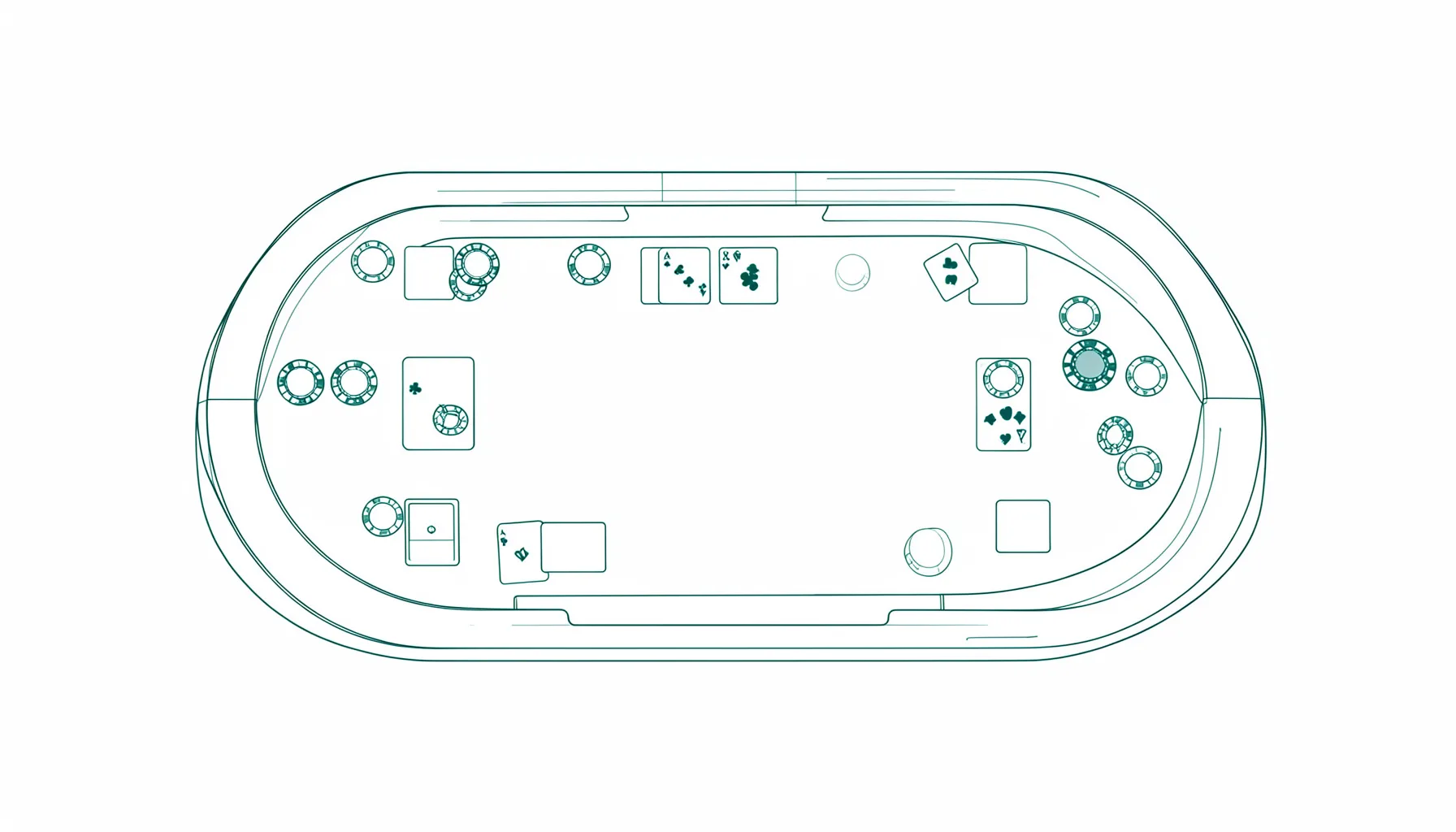
At a physical blackjack table, cards may be shuffled by hand with a riffle or overhand technique, sometimes under the supervision of an approved automatic shuffler. Each method interleaves the cards to break up visible groups and reduce the chance of forecasting a run. The dealer’s technique must follow the studio’s documented procedure, with adequate attention to packets, cuts and dropped cards. The relevant standard is not theatrical flair but a genuinely randomised deck order.
Many live blackjack games draw from a shoe containing several decks rather than reshuffling one deck after each hand. A cut card is often placed near the end, and a new randomisation begins when the remaining stack reaches that point. Fewer cards dealt before the cut gives the next shoe more influence over subsequent hands. Table rules can vary between single-deck, double-deck and multi-deck formats, so Australians comparing an Australian-dollar game with another lobby should check these details first.
What a genuine shuffle means for game integrity
A fair shuffle removes knowledge of the sequence without changing the published mathematics of the game. It does not remove blackjack’s inherent house edge: that long-term mathematical advantage comes from the game’s rules, not the reputation of the dealer. What it does is ensure that every eligible card has a legitimate chance of appearing. Confidence should therefore come from controlled randomisation and transparent rules, not from assuming that a friendly or skilled dealer can guarantee a favourable result.
Operators need controls that work beyond the camera view. These can include trained dealers, documented shuffling steps, supervisory checks, security monitoring and reconciliation of the cards in play. A guide to dealer format differences explains how a live dealer differs from a computer-generated dealer, including the role of audited random number generators in virtual games. A certified algorithm can provide strong assurance; a human shuffle can provide visibility. Neither format deserves automatic trust without evidence of proper oversight.
Why the visible shuffle builds confidence
Watching the cards being gathered, split and interleaved gives players information about the procedure itself. An attentive viewer may notice an incomplete shuffle, an unusual handling error or a deck that does not appear to match the table’s stated rules. Such observations can be reported to the operator. The aim is to identify a genuine procedural issue, not to accuse a dealer of predicting results. A professional shuffle is a system designed to remove order, so it should not reveal a repeatable pattern.
The camera view still has limits. Studio editing may omit parts of a long break, and angle changes can make a standard procedure look different from the player’s own table. A shuffle that seems slow in the stream may simply reflect broadcast production choices or network buffering. None of this proves misconduct. Sustained confidence requires a combination of visible procedure, consistent application and independent oversight, with published game rules that allow the randomness to be assessed fairly.
The dealer and the studio production team
The dealer is more than an on-screen host. During play, the same person may shuffle, distribute cards, manage bets and explain a decision, while colleagues monitor the table and handle exceptions. Clear roles are particularly important when a player disputes a dealing error or asks about a side bet. Staff training and separation of duties help prevent an avoidable mistake from becoming an argument, and they keep the shuffle connected to the same operational standards used for all other hands.
Streamed blackjack is also a television production. Multiple camera angles, microphones, timing cues and a quiet studio allow the action to reach players in Sydney or Melbourne with the intended pace and clarity. Those production choices should support the game rather than interfere with it. If a live table uses electronic randomisation for a shoe shuffle, the result remains part of that controlled process; if it uses cards, the physical handling and audit trail need to meet the operator’s stated standards.
How shuffling shapes the pace of play
A physical shuffle introduces a natural pause that a rapid virtual game can skip. That pause lets the dealer reset the table, players review a hand and the studio return to a consistent rhythm. It also gives Australian players time to follow decisions without rushing a double down or a split. Calling 21 “blackjack”, as many punters do, is only one custom; the more important pace choice is whether the table leaves enough time to understand each deal.
A reshuffle marks a genuine break in card continuity, but it does not create a predictable advantage. Some players treat the first hand after a new shoe as a fresh opportunity, while others look for a pattern that has no statistical basis. Each shoe is an independent sample, and previous results do not influence the next random order. Good session management means recognising the value of the break without increasing stakes to “chase” a perceived shift in luck.
Live blackjack for Australian players
Australian players should use regulated online casinos authorised to offer real-money gambling to residents. The Interactive Gambling Act 2001 sets the national framework, which the Australian Communications and Media Authority administers, while state and territory regulators authorise operators. Identity checks and an 18+ threshold apply. Many licensed services offer live blackjack in Australian dollars, and access to overseas studios across different time zones can suit players in Brisbane, Perth and Adelaide. Local account eligibility and rules should be checked before depositing.
Compatibility matters because live video requires a steady connection rather than merely a fast game load. A modern phone with a current browser or a reputable casino app can carry a table efficiently over home broadband or mobile data, provided latency and bandwidth remain stable. HD streaming may use more data than a basic interface, so players on metered plans should check the operator’s estimates. Headphones, a clear table view and the ability to reduce stake settings can make a long mobile session more comfortable.
Judging fairness without chasing patterns
The strongest judgement of a shuffle comes from several pieces of evidence together: a named shuffle policy, clear rules for the shoe and cut card, trained staff, oversight and an operator willing to explain anomalies. A physical hand shuffle is neither automatically superior nor automatically suspect, just as a virtual game should not be dismissed because it lacks a person on camera. The relevant test is whether the stated randomisation process is applied consistently and whether the published house edge reflects the rules actually offered.
Players can watch for careful handling and sensible table procedure, but a convincing performance cannot establish the order of cards already placed face down. Nor can a short winning or losing run validate a supposed system. Real money and extended hours deserve firm limits, with deposit controls and breaks used to protect the bankroll. The real significance of the dealer’s shuffle is the connection between a visible action and the integrity of hidden information.