Live Dealer and Virtual Dealer Casino Games Explained
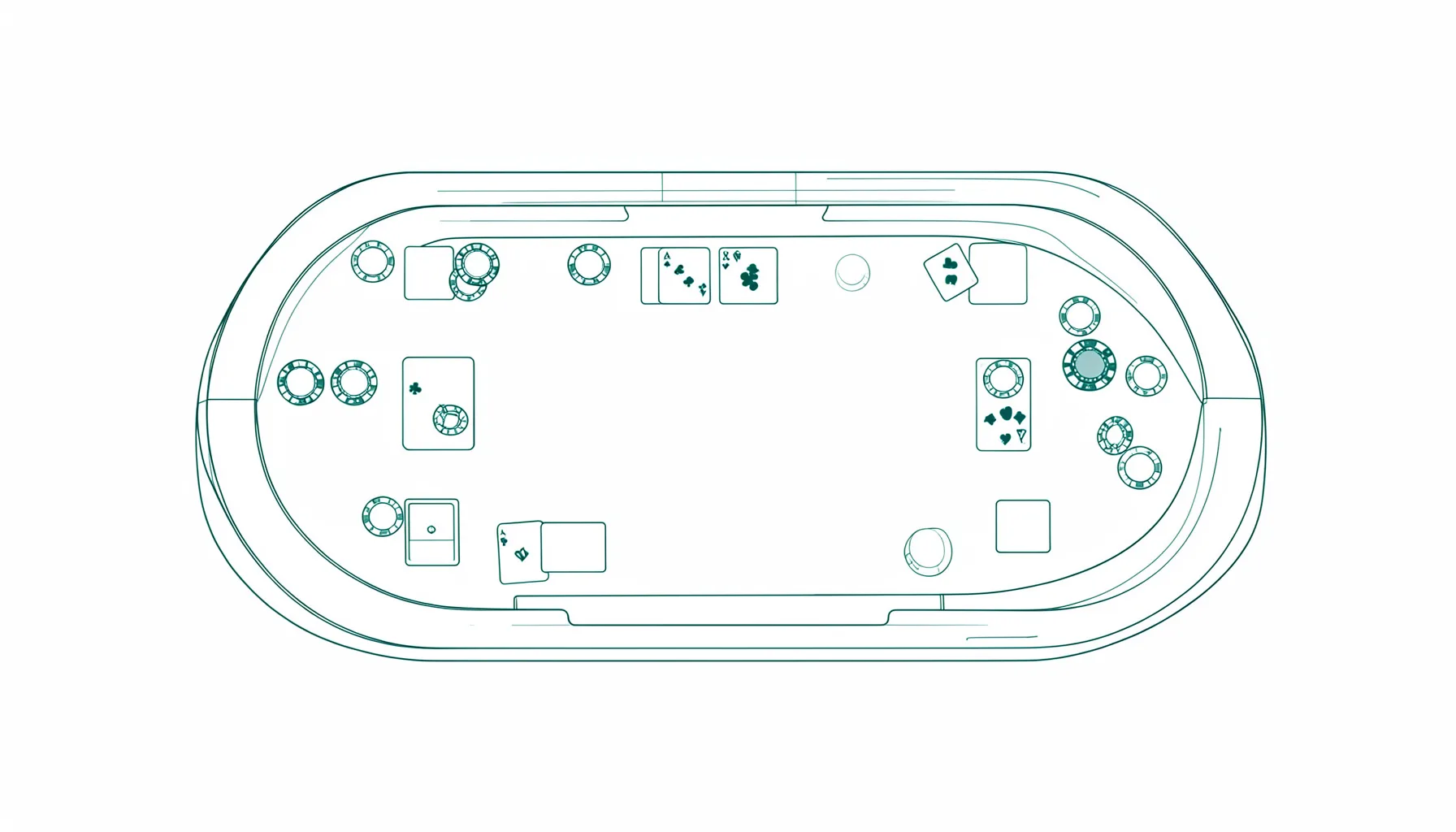
A live dealer casino uses a real person, physical equipment, and a video stream to run a game in real time. The dealer may shuffle cards, spin a roulette wheel, announce results, and respond to players through a chat window. It recreates several features of a land-based casino while allowing players to join from a phone or computer.
A virtual dealer is software. Instead of a human host handling each round, a computer program generates the result through a random number generator, often called an RNG. Some games use animated characters, recorded voices, or realistic graphics to present the action, but the outcome is produced digitally rather than in a studio.
For Australian players, the distinction affects the pace, atmosphere, available betting limits, and technical demands of a session. Someone playing on a mobile during an arvo in Melbourne may prefer rapid digital rounds, while another player in Brisbane may value the social feel of a streamed blackjack table. Understanding the two formats makes it easier to choose a suitable experience.
How the dealer affects the game
In a live casino room, the dealer is a trained human visible through a high-definition camera. They follow a defined set of rules, handle the cards or wheel, and announce each stage of the round. A live blackjack dealer, for example, deals from a shoe or an automated dealing system while players watch the cards appear on the table.
The dealer does not usually decide the result or change the rules for an individual player. Their role is to manage the table and keep the game moving. They may greet participants, explain betting options, or answer simple questions in the chat. This human presence gives live baccarat, roulette, and blackjack a more conversational character than a standard digital interface.
A virtual dealer can look similar on screen, but the character is generally cosmetic. The game’s software controls the timing, card values, wheel result, and settlement of bets. In some products, the dealer is a digital avatar; in others, the screen shows a simple interface with animations and sound effects. The visual style varies, while the underlying mechanism remains automated.
How outcomes are generated
The central technical difference is the source of the result. An RNG repeatedly creates unpredictable number sequences, with the software converting each sequence into a card, number, symbol, or game event. Virtual roulette and digital blackjack can therefore complete a round within seconds, with no physical wheel or deck required.
Live dealer games use physical equipment in a studio. A camera captures the wheel, cards, or baccarat table and sends the feed to the player. Many studios use multiple cameras, overhead views, close-ups, chip recognition, and automated result systems to connect what happens at the table with the online betting interface.
This does not mean that live games are free from technology. Streaming servers, optical recognition, studio controls, and internet connections all form part of the experience. The difference is that the visible event takes place in a real room, while a virtual table creates the event through software. Players should still choose operators that explain game rules, display outcomes clearly, and provide credible information about oversight. A practical guide to licence checks can help explain what to examine before using an unfamiliar platform.
Pace, interaction, and atmosphere
Virtual dealer games are usually faster. A player can place a bet, watch the animation, and receive the result without waiting for a dealer to complete several table actions. This suits people who want short sessions or who prefer to control the pace by starting and stopping whenever they like. Digital games can also offer autoplay or adjustable animation speeds, depending on the platform.
Live tables follow the rhythm of the room. Betting opens, players make selections, the dealer closes the betting period, and the result is dealt or spun. Busy tables may take longer because more participants are joining, while quieter tables can feel more relaxed. Chat adds a social element, although participation is optional and many players simply watch.
For an Australian audience, connection quality can influence that difference. A player in regional Western Australia may experience more buffering than someone in central Sydney if the mobile signal is inconsistent. Live video uses more data than a basic virtual game, so a home Wi-Fi connection may be preferable when playing for an extended period. A phone on a 4G or 5G network can work well, but data usage and battery drain are worth considering.
Game choice and betting conditions
Both formats cover familiar casino categories, yet their selection is often different. Live studios commonly focus on blackjack, roulette, baccarat, casino hold’em, and game-show formats with wheel bonuses or multipliers. Virtual casinos can provide many versions of those games, along with niche rule sets, low-limit tables, and quick-play variants.
The same game name does not guarantee the same experience. A live blackjack table may have a minimum bet of A$5 or A$10, while a virtual table might accept a much smaller amount. High-limit live rooms can reach substantially higher stakes. Rules can vary as well, including blackjack payout, number of decks, side bets, roulette layout, and baccarat commission.
Players who enjoy variety may browse a broader slot game library alongside table games, although slots use a different format from live dealer play. Slot results are generally generated digitally, and the focus is on reels, paylines, features, and bonus rounds rather than a host-led table. Keeping these categories separate helps prevent confusion about how each game operates.
Australian payment and display preferences can also affect convenience. Some platforms show balances in Australian dollars, while others use a different currency and may require conversion. Banking times, minimum deposits, identity checks, and the availability of familiar payment methods can vary between operators. Reading the terms before depositing is especially important when an overseas service uses language or conditions that differ from local expectations.
Choosing between a live and virtual dealer
A live dealer is a strong fit for players who value human presentation, a physical table, and the feeling of joining a shared room. It can be appealing for a weekend session with friends, a quiet evening at home, or anyone who enjoys seeing cards dealt and a wheel spun rather than watching abstract graphics. The chat function may make the session feel closer to a casino visit without requiring a trip to Crown Melbourne, The Star Sydney, or a local venue.
A virtual dealer is often more practical when speed, low stakes, and flexibility matter most. It loads more easily on modest connections, usually uses less data, and allows rapid movement between games. Someone travelling between Perth and Adelaide, or playing briefly during a break, may prefer a format that does not depend on a streamed table being available.
Neither option automatically provides better value or guarantees a particular result. The house edge comes from the rules and payout structure, not from whether a human or software presents the round. Players should check the game information, set a budget in Australian dollars, and treat entertainment spending separately from everyday costs such as rent, transport, and groceries.
Responsible play also includes practical limits. Set a session time before opening the table, avoid chasing losses, and stop when the planned budget is gone. Choose operators that explain their terms, use secure account procedures, and provide accessible support. A virtual dealer offers convenience, while a live dealer offers atmosphere; the better choice is the format that matches the player’s preferred pace, connection, budget, and level of interaction.