How Live Casino Studios Design Sets for Different Game Themes
A live casino studio set does more than provide a background for a dealer. It is a carefully built broadcast environment that tells players what game is being offered, where to look and how each round should feel. Scenery, furniture, lighting and camera positions work together so atmosphere never obscures cards, chips, a roulette wheel or betting information.
Theme also has to match the rhythm of play. Blackjack rewards deliberate decisions, roulette builds suspense around a spinning wheel, baccarat moves through compact, ritualised rounds, and game-show formats rely on quick exchanges and spectacle. A set that suits one format can make another feel crowded, slow or confusing.
For Australian players, polished visuals sit beside practical questions about access, currency and regulation. Studios may be located overseas, yet sessions are promoted for local audiences in Australian dollars, with schedules adjusted to Australian Eastern Standard Time and daylight-saving changes. Players in Sydney, Melbourne, Brisbane and other cities increasingly encounter live tables through a phone or tablet as well as in licensed land-based venues.
| Game format |
Visual identity |
Main layout priority |
Player experience |
| Blackjack |
Restrained, contemporary and focused |
Clear card, chip and dealer sightlines |
Calm, decision-based play |
| Roulette |
Elegant surroundings with a dominant wheel |
Wheel, ball track and betting layout remain visible |
Suspense and anticipation |
| Baccarat |
Clean, premium and uncluttered |
Fast access to cards, shoe and outcome area |
Quick, flowing rounds |
| Game show |
Colourful, energetic and highly graphic |
Space for cameras, hosts and changing scenes |
Entertaining, fast-paced action |
Game themes need different spatial stories
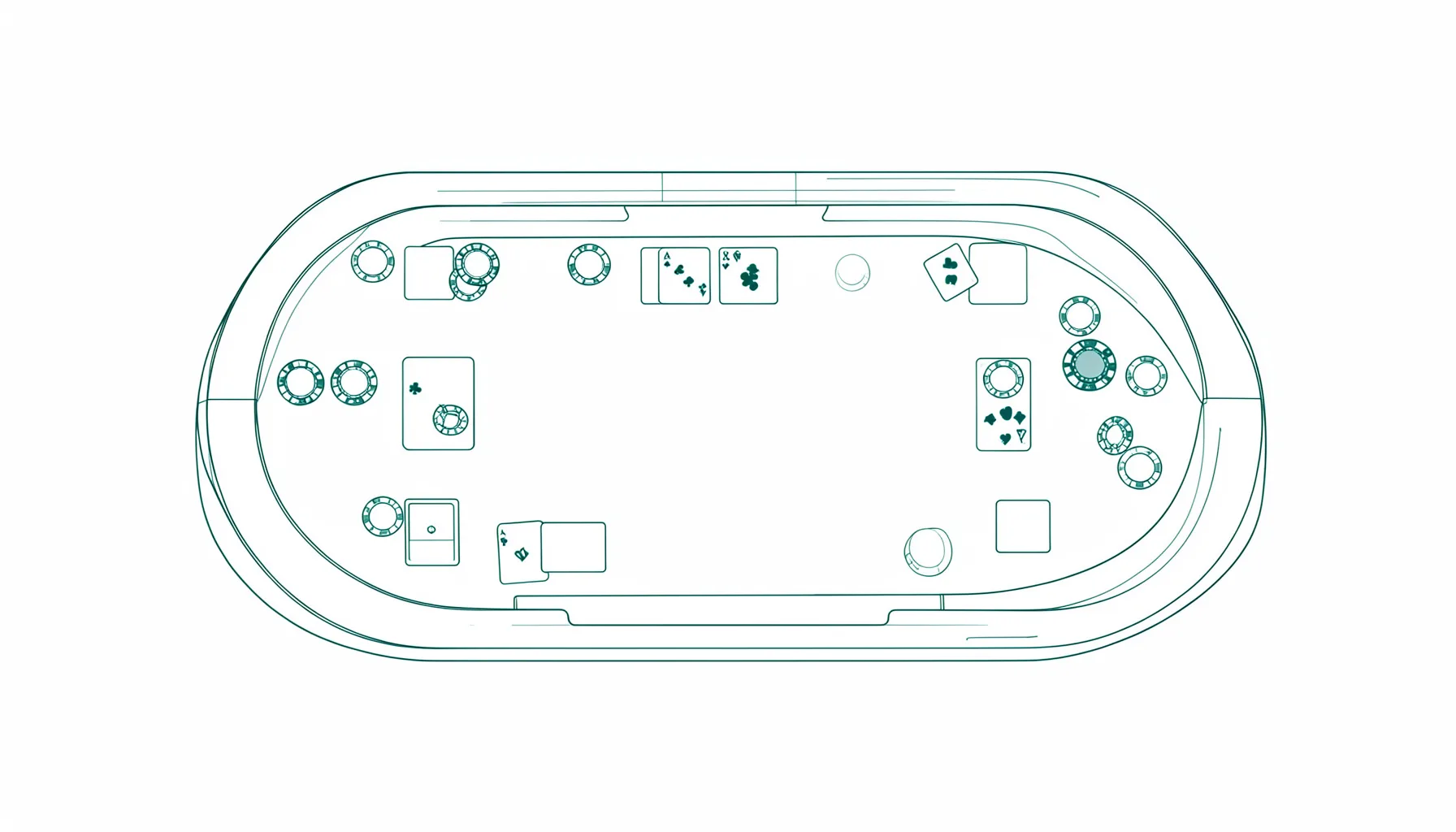
Each theme begins with a visual hierarchy: the dealer, cards, wheel or prize display must remain more prominent than decorative scenery. Studios use different room shapes to support their games. Blackjack usually resembles a private gaming salon, while baccarat benefits from a compact central arrangement that keeps the card display close to the dealer.
Blackjack and baccarat rooms often rely on understated materials, warm metals and controlled lighting. This restraint signals concentration and makes small movements easier to follow. A casino game-show set can be far more theatrical, using saturated colours, oversized graphics, animated panels and multiple camera positions to support banter, challenges and prize reveals.
A roulette room needs to make the wheel itself the centrepiece. The betting layout, dealer position and result screens must work around its movement without creating visual distractions. Cultural references can appear in colours or architectural details, although good designers avoid superficial decoration that makes a format look unfamiliar or cheap.
Camera placement shapes what players see
Dealers are filmed from several angles so players can follow hands, cards and chips. An over-the-shoulder view supports blackjack, elevated shots reveal the baccarat layout, and a low wheel camera can show the roulette ball entering a pocket. Each angle answers a different practical question while contributing to the chosen theme.
An explanation of the camera operator's role shows how framing decisions influence pacing as well as presentation. Operators choose when to move from the dealer’s face to the cards or game equipment, balance reactions with results, and avoid cuts that could conceal important information.
Mobile compatibility makes careful composition even more important. Players may watch on a small screen in landscape mode, switch orientation or view within an interface containing account and bet controls. Central action should remain readable when the picture is resized, while cameras need clean feeds, synchronised audio and enough redundancy to prevent a technical interruption from interrupting a round.
Lighting, colour and sound create atmosphere
Good studio lighting exposes every result without flattening the room’s character. Card faces require even illumination, chips need visible edges and roulette numbers must remain readable. Accent lights can establish a theme, but they should never create glare, coloured shadows or false impressions about an object’s colour.
Colour palettes also help players recognise the format quickly. Neutral whites and dark woods may give blackjack a sophisticated tone, while roulette often uses richer reds and greens. Game-show studios have more freedom with neon, gradients and animated backgrounds, provided the graphics do not compete with the host, prize or outcome information.
Sound supports the visual theme through clear announcements, controlled table ambience and directional microphones that reduce echo. Progressive features require their own visual hierarchy; a short guide to how progressive jackpots work highlights why jackpot values, contribution messages and celebration sequences need to remain understandable without overwhelming the main game.
Australian habits reshape studio decisions
Australia’s regulated gambling environment shapes how live studios present and operate their products. The Interactive Gambling Act 2001 restricts unauthorised services, ACMA blocks certain offshore operators, and state and territory regulators oversee approved gambling businesses. Australian players must be at least 18, and reputable platforms provide age checks, account controls and responsible gambling information.
The local market combines large licensed casinos in cities such as Sydney and Melbourne with smaller social gaming clubs in several states. Some players first encounter casino-style games at these venues before trying live digital versions. Australian English, familiar dollar amounts and locally relevant customer support can make a foreign studio feel more accessible, although the underlying rules and random outcomes remain unchanged.
Many sessions occur on a phone during an evening break or while a household is winding down after work. Studios therefore prioritise fast loading, portrait-friendly interfaces and stable audio for headphones, while advising players to avoid gambling while driving or using the service in restricted environments. Australian time labels also help players identify when tables are busy, while 24-hour schedules reflect the country’s differing time zones.
What players notice first
A successful set makes orientation almost instinctive. Players should understand the dealer’s role, identify the current result and locate betting controls without searching the screen. The most effective design details share several qualities:
- A clear dealer zone with unobstructed cards and chips
- Readable labels, timers and outcome displays
- Camera cuts that show results before reactions
- Graphics and sound that support rather than distract
Another sign of thoughtful design is consistency between the theme and the game’s pace. Players can confirm useful information before joining a session, including:
- The exact game variant and its rules
- Minimum stakes and limits shown in Australian dollars
- Dealer schedules and expected waiting times
- Operator licensing, support and responsible gambling tools
The strongest themed sets create a memorable identity without compromising the live experience. They respect the distinctive needs of blackjack, roulette, baccarat and game-show entertainment while preserving the clarity, fairness and technical reliability Australian players expect.