The camera operator behind every live dealer game
A live dealer table may look simple on screen: a dealer, a betting layout, a wheel or a set of cards. Behind that clean presentation, however, a camera operator is constantly making small technical decisions. Their work determines whether players can see the ball land, follow a card reveal, read the result and stay oriented as the action moves quickly.
For Australian players using a desktop, tablet or mobile device, the camera feed is a central part of the casino experience. A professional operator connects the physical studio with the online table, working alongside dealers, technicians and game supervisors to create a broadcast that feels immediate and trustworthy.
Why camera work matters at the table
A live casino camera must show the right detail at the right moment. In roulette, the operator may frame the spinning wheel, switch to a wider view as the ball settles and return to the betting layout for the result. Blackjack requires a different rhythm, with close shots of cards, the dealer’s hand and the table display.
Timing matters because every movement can affect clarity. If the camera cuts too early, a player may miss the final card or landing number. If it remains too close for too long, the wider table context disappears. The operator therefore follows a planned sequence while reacting to the dealer’s pace and the game’s rules.
This visual consistency also supports confidence. Players should be able to see that cards are dealt, roulette results are produced and baccarat hands are settled in a transparent sequence. Clear camera direction makes the broadcast easier to follow without distracting from the game itself.
The studio setup behind the stream
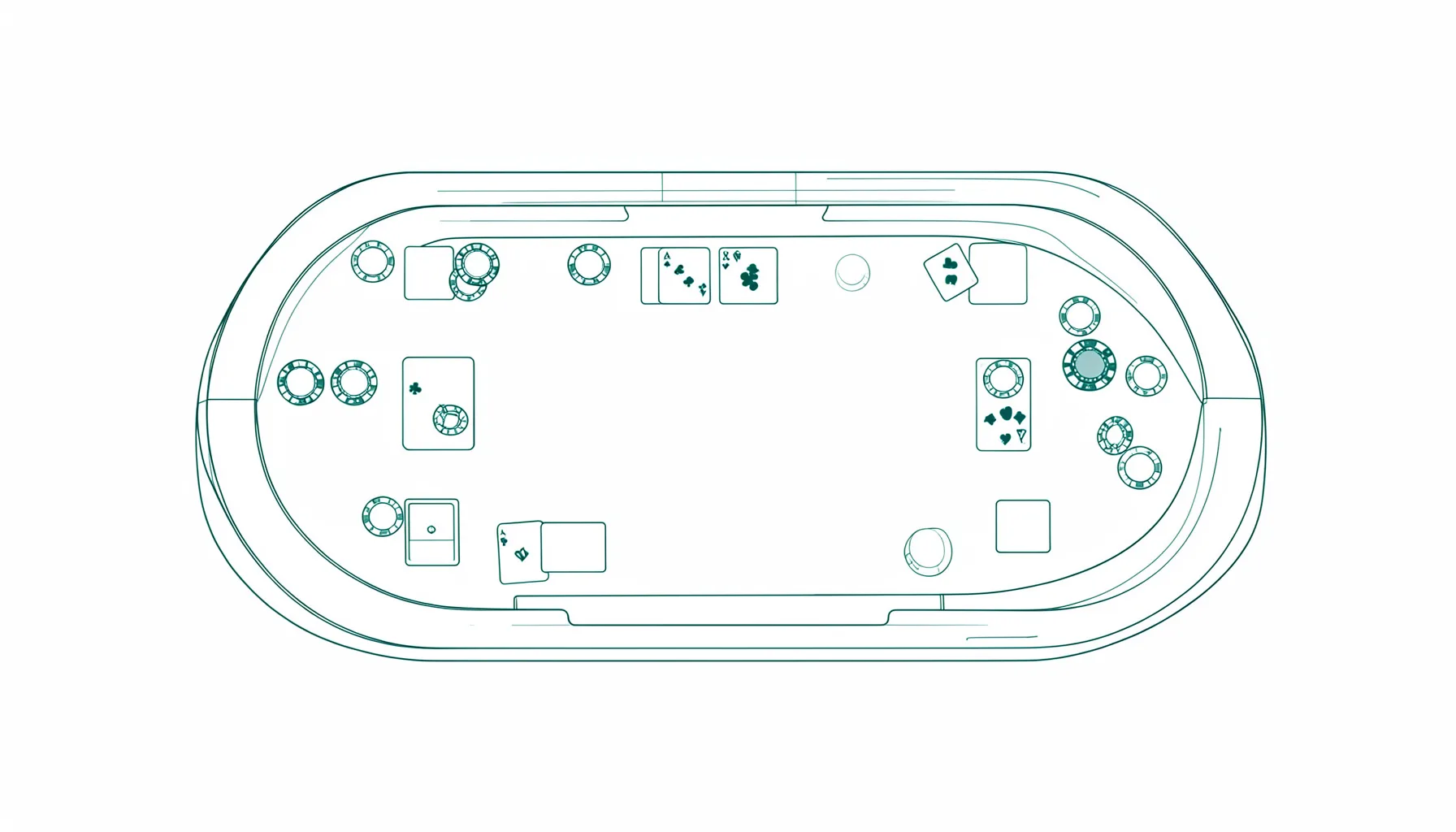
A live dealer studio usually contains several fixed cameras, overhead units and close-up angles. Each position serves a specific purpose. An overhead shot can show the entire betting layout, while a table-level camera captures a card reveal or a dealer’s hand. Some studios also use robotic or remotely controlled camera heads for smooth movement.
The operator monitors these sources from a production desk. They may select the main feed, adjust framing, check focus and coordinate with the vision mixer. Lighting, reflections and dealer movement all influence the image. Shiny roulette surfaces, card edges and printed betting zones need to remain visible without glare.
The technical chain must also deliver a stable stream to players in Australia and elsewhere. Anyone investigating streaming requirements will see why connection quality, device performance and browser compatibility influence the final viewing experience. The operator cannot repair a weak home connection, but careful production can prevent avoidable problems at the studio end.
How the operator follows the game
Camera direction is closely tied to game procedure. In blackjack, the operator anticipates when the dealer will deal, turn over a card or draw another hand. The correct angle should already be ready when the important action occurs. This requires familiarity with the game rather than simple button pressing.
Roulette has its own visual pattern. The camera may begin with the wheel, move to the table as betting closes, and return to the wheel during the spin. When the ball slows, a tighter angle can make the result easier to see. Once the number is confirmed, the wider layout helps viewers understand which bets have won.
Game-show formats introduce additional movement. A wheel, bonus board or host may occupy different parts of the studio, so the operator must preserve visual continuity. Smooth transitions help players maintain their sense of place, especially when several cameras and animated graphics appear during the same round.
Communication with the dealer and control room
The camera operator works as part of a coordinated broadcast team. A floor manager or producer may issue cues through a headset, while the dealer follows established signals for card dealing, roulette spins or bonus reveals. These cues reduce the risk of an awkward shot or a missed moment.
The dealer’s behaviour also gives the operator useful visual information. A hand moving towards the shoe, a wheel beginning to spin or a host turning towards a display can signal the next important action. Experienced operators learn to anticipate these movements while respecting the studio’s safety and fairness procedures.
Behind the scenes, supervisors may check that the correct game is live, the table status is accurate and the broadcast matches the digital record. If a camera freezes or an angle becomes obstructed, the team can move to a backup feed. This layered process helps keep a live table operating smoothly during busy periods.
Visual skills that shape the player experience
A good operator understands composition, focus, exposure and movement. The betting zones must remain legible, yet the picture should still feel natural. A close-up can provide detail, while a wide angle gives context. Switching between them requires judgement because fast or unnecessary cuts can make the stream difficult to watch.
The operator also manages small visual disruptions. Reflections from polished surfaces, a sleeve crossing the layout or a dealer standing at an unusual angle can hide key information. Adjusting the frame or selecting another camera may solve the issue in seconds.
Useful habits include:
- Holding a steady frame during decisive actions
- Checking that cards, numbers and betting areas are visible
- Avoiding unnecessary zooms and rapid camera changes
- Anticipating movement before it reaches the shot
These skills are particularly important on smaller mobile screens. A player watching from a train in Melbourne, a home in Perth or a hotel in Sydney has less room to interpret a cluttered image. Clear composition makes the game more accessible across different devices.
Cameras, fairness and responsible play
Camera coverage contributes to transparency, but it does not change the mathematical nature of casino games. A clear view can show what happened on the table; it cannot guarantee a particular result. Operators follow production rules that support visibility, while certified systems and game procedures address fairness.
Players should also separate polished presentation from winning expectations. A professional broadcast may feel engaging and social, especially when a dealer greets the table, but each round remains independent. Australian users should set personal limits, understand the rules and avoid treating camera detail as a signal about what will happen next.
Responsible habits are especially important during a long session. The temptation to continue after a loss can grow when the stream feels immediate and the next round begins quickly. A cautionary account about chasing losses illustrates why stopping points and a fixed entertainment budget matter.
Adapting to Australian viewing habits
Australia’s distance from many international gaming studios makes reliable streaming particularly valuable. Players in Brisbane or Adelaide may connect to tables hosted overseas, so latency, peak-hour congestion and mobile data limits can affect how comfortably they watch. A well-produced feed cannot remove network delay, but it can make the stream easier to interpret when conditions are imperfect.
Local viewing habits also shape expectations. Many Australians are familiar with live sports broadcasts, racing coverage and presenter-led entertainment, so they tend to notice camera timing and production quality. A live game-show table with clear host coverage can feel more recognisable than a static digital interface.
The local market also includes players using smartphones during short leisure periods, as well as desktop users who prefer a larger view for roulette or baccarat. Operators support these different contexts by maintaining readable layouts, predictable camera changes and balanced audio. The aim is a consistent experience whether the session takes place at home in Canberra or during a break in the Gold Coast.
When production quality falls short
Camera problems are usually visible before a technical error is announced. A frozen frame, delayed switch or obstructed betting area can make players unsure about what is happening. Poor focus may make card values difficult to read, while excessive compression can blur the wheel or table markings.
Production teams prepare for these issues with spare cameras, backup feeds and monitoring screens. They may lower the number of visual changes during a connection problem, use a stable wide shot or pause the table until the situation is clear. The priority is to preserve an accurate record of the action rather than rush through an unclear round.
Players can help themselves by using a stable connection, keeping software updated and selecting a device that handles live video reliably. When the picture or sound repeatedly fails, leaving the table is more sensible than making decisions based on incomplete information. The camera operator’s work is designed to provide clarity, while responsible play still depends on the player’s own limits and judgement.