How to find live casino tables with the most experienced dealers
Experienced live dealers make a streamed table easier to read, but their skill is not always advertised in the lobby. The better signs are consistent pacing, accurate explanations, calm handling of rules, and an ability to keep every player informed without distracting from the game. These qualities matter most when a table fills up and decisions need to happen quickly.
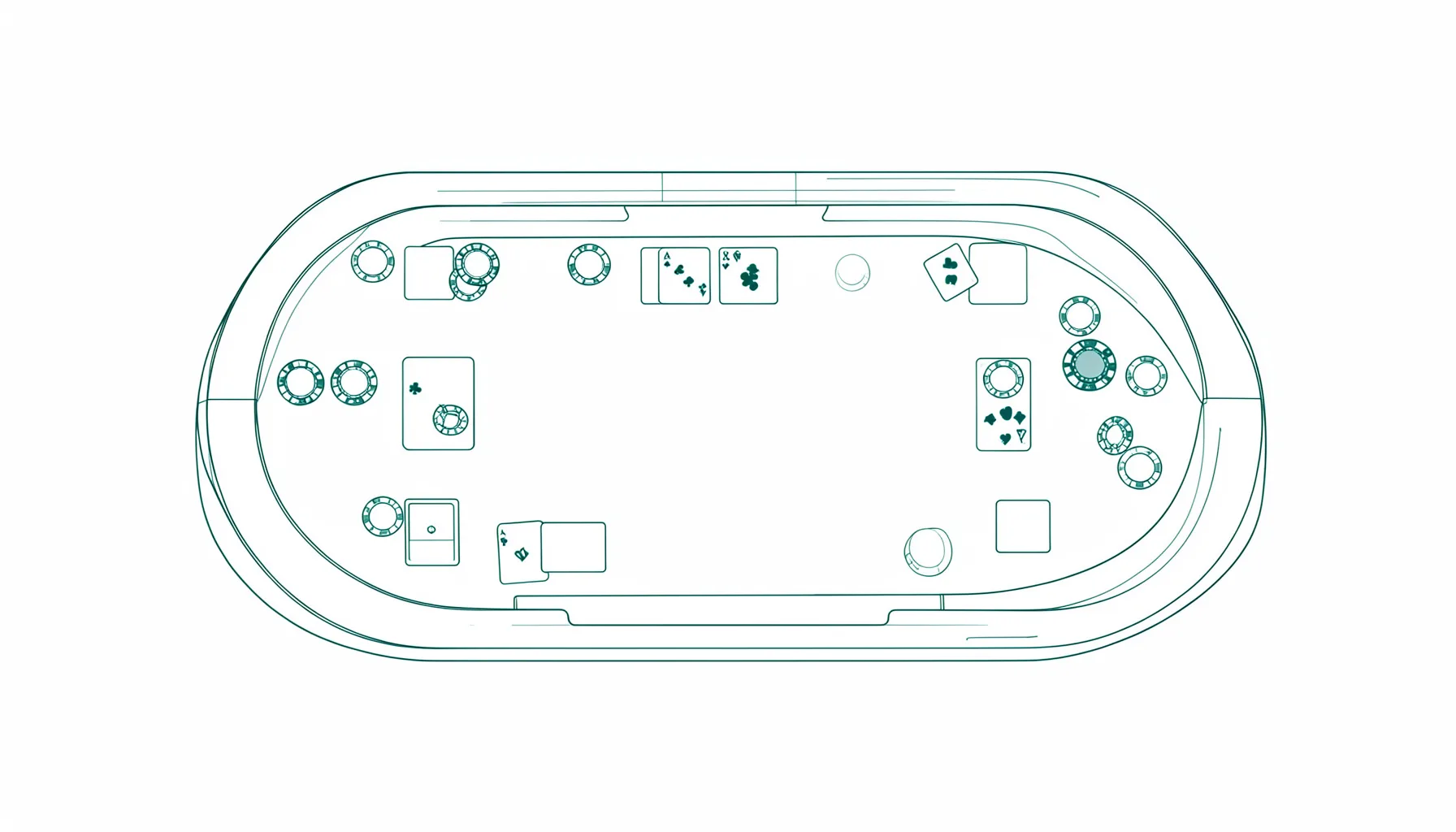
Dealer experience also takes different forms across the main formats. A blackjack dealer needs to track wagers and settle splits, doubles and blackjack bets. A roulette dealer must control the pace of a shared betting round, while a baccarat dealer needs precise card handling and clear announcements. Game-show hosts require a different set of skills, particularly communication, improvisation and an ability to maintain energy without overwhelming the game.
Finding the right table therefore involves more than comparing game names and promotional bonuses. Players should examine the studio’s reputation, the available information, the pace of play and the reliability of the feed. Australians also need to consider state and territory rules, payment methods and whether the operator is legally permitted to accept local customers.
What experience looks like at the table
A skilled dealer keeps the rhythm of the game predictable. In blackjack, that means acknowledging each decision, resolving wagers promptly and avoiding unnecessary delays. At roulette, it means allowing enough time for bets without letting one slow player stall the entire table. With baccarat, the betting window, card reveal and result announcement should feel orderly even when several players are watching different betting positions.
Rules knowledge is equally important. The dealer should settle bets according to the displayed rules, explain unfamiliar side bets and avoid introducing personal habits that change the standard procedure. This is particularly valuable with blackjack, where variations such as fewer decks, restricted doubling or different insurance rules can affect the table. A confident dealer makes these differences clear rather than leaving players to infer them from the interface.
Professional control also includes knowing when not to draw attention. Friendly conversation can make a live table welcoming, but an experienced dealer must still monitor every wager and keep the result visible to all participants. Streamed tables may feature chat, statistics and optional camera views, so a dealer who maintains clarity across those elements can make the session feel much more manageable.
Where to look beyond the game title
The casino lobby is the best starting point because it often shows the table format, betting limits, number of seats and whether the game is currently running. Look for clear rule information rather than a vague label such as “premium” or “VIP”. A useful comparison is between tables operated by the same studio, since shared procedures and training standards can produce a more consistent experience than the game name alone suggests.
Independent reviews can add another layer. Observations about a dealer’s pacing, the studio’s rule transparency and the ease of joining a table may reveal more than promotional claims about exclusivity or luxury. An Australian casino market overview can also help establish which site features and player protections are relevant to the local market before a player examines individual tables.
If the operator provides live support, ask which studios supply the chosen game and how frequently its dealers rotate. Regular rotation is normal because it keeps sessions fresh and prevents fatigue, so it should not be treated as a negative sign. The useful question is whether the dealer visibly follows the same rules, maintains the advertised pace and handles mistakes professionally if one occurs.
Test the table before committing money
Watching a table before playing is one of the most reliable ways to assess the dealer. Many live casinos allow a game to be viewed without a wager, while others offer low minimum stakes for testing. Spend a full betting round observing the dealer’s announcements, the timing of results and how quickly bets are settled. This can expose a rushed or unclear table more effectively than any written description.
Players should also test the practical controls. Check that stake buttons are easy to reach, the balance is visible and the betting deadline is obvious. Notice whether the dealer has enough time to accept a last decision before the round closes. It is sensible to begin below the normal table limit and increase only after confirming that the pace, software and connection suit your preferences.
Connection handling deserves particular attention. Operator notes on handling live dealer outages explain why some studios pause the game, return wagers or offer a decision after a dropped feed. Players should know whether the cash-out button remains available and whether a prolonged interruption affects fairness or merely interrupts the video. A session limit can protect the bankroll if the feed becomes unstable.
Check the studio and technology behind the feed
A professional dealer can still be difficult to follow when cameras, lighting or audio are poorly positioned. Look for a clear view of cards, chips and result screens, along with synchronised sound. Guides to multiple camera angle reviews show why extra views can help with certain games, but they also demonstrate that camera count does not automatically guarantee a better dealer or a better session.
For many Australians, a stable home connection is the deciding factor. NBN fixed-line plans, FibreCo, 5G and Fixed Line Wireless services can all support live video, although latency varies between metropolitan and regional areas. Sydney and Melbourne generally offer more choice in fixed-line providers, while players in regional towns may rely more heavily on mobile coverage. A wired connection or strong Wi-Fi signal is often more consistent than a congested household network.
Schedule differences also matter because live studios may operate around European or Asian hours. Australian Eastern Standard Time and Australian Central Standard Time shift the tables by one or two hours, and daylight-saving changes can temporarily alter the timing of popular sessions. Players who travel or use tables late at night should confirm the displayed schedule and allow for the relevant local time rather than assuming it matches the casino’s home market.
Apply Australian player safeguards
Anyone aged 18 or over should first check the legal position for online gambling in their state or territory. Australia’s Interactive Gambling Act restricts many interactive gambling services offered to residents, and offshore operators are not automatically licensed or regulated locally. This is particularly relevant to live-dealer sites, where international brands may accept Australian customers without holding a local authorisation. Players should never mistake an Australian-facing language option for local approval.
Currency and payment preferences are another important filter. Australian players commonly expect stakes and balances in AUD, but some international casinos convert from another currency or apply conversion fees. Cards, bank transfers and established e-wallets are more widely used than PayID, which is not commonly supported for gambling transactions. Checking minimum deposits, withdrawal conditions and currency conversion before depositing avoids avoidable disputes.
Good play also depends on Australian-style restraint and communication. A “fair go” matters at the table: players should avoid pressuring the dealer, distracting other participants or treating a losing run as someone else’s fault. Setting deposit limits, using session reminders and taking regular breaks helps maintain control, just as limits on pokies in Melbourne and Sydney pubs help players manage a land-based session. A good live table is one where the dealer remains composed, the rules stay visible and the session remains within the limits established before play begins.