Inside the Studio: How Live Casinos Manage Multiple Camera Angles
A single roulette spin looks completely different depending on where the camera points. One moment the view is wide, showing the whole wheel and the betting layout; the next it cuts to a tight overhead of the ball bouncing between pockets, then to the dealer's hands calling the result. That visual rhythm is not accidental. It is the product of a tightly choreographed production process that runs every minute a live casino table is on air, with a small team of camera operators, directors and technical staff coordinating a dozen or more lenses simultaneously.
For Australian players who join tables from a tablet in Brisbane, a laptop in Melbourne or a phone on the train through Sydney, those angles translate directly into trust and clarity. Watching a wheel at eye level feels different from seeing it from above, and seeing a dealer shuffle feels different from seeing a close-up of the cards being dealt. Behind every camera cut is a decision about what the player needs to see, and when.
The Director's Vision Behind the Lens
Every live studio runs on a vision-mixing desk somewhere behind the glass. A director, sometimes called a "vision mixer" in industry shorthand, sits at that desk and decides which of the dozen or so camera feeds goes out at any given second. The job is closer to live television direction than to anything happening on the gaming floor. The director watches the dealer, the betting clock and the chat moderators, calling cuts in a fraction of a second.
In a typical blackjack or baccarat studio, the director might have access to between eight and sixteen cameras at once. Wide shots establish the room, medium shots follow the dealer, close-ups track the cards, overhead shots show the betting layout. The director chooses the angle that best tells the story of the hand, and the player rarely notices the seams because cuts happen at natural moments, just after a bet is placed or just before a card is revealed. Some studios train their directors to anticipate the action rather than react to it, pre-selecting the next angle before the current one has finished its job. When it works well, the player simply feels oriented; when it does not, the experience can feel jumpy, which is why studios invest so heavily in this single role.
Strategic Camera Placement Around the Table
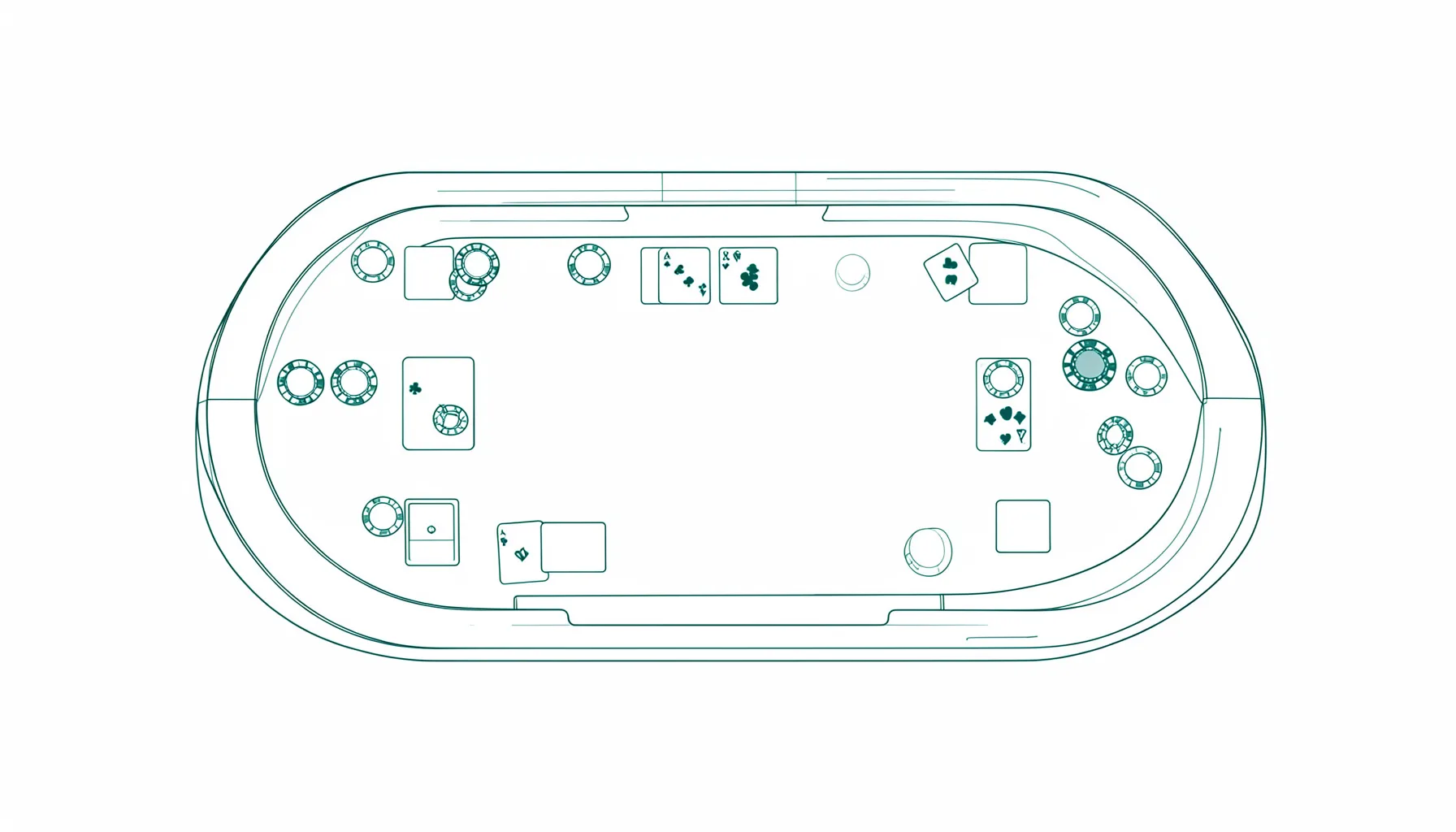
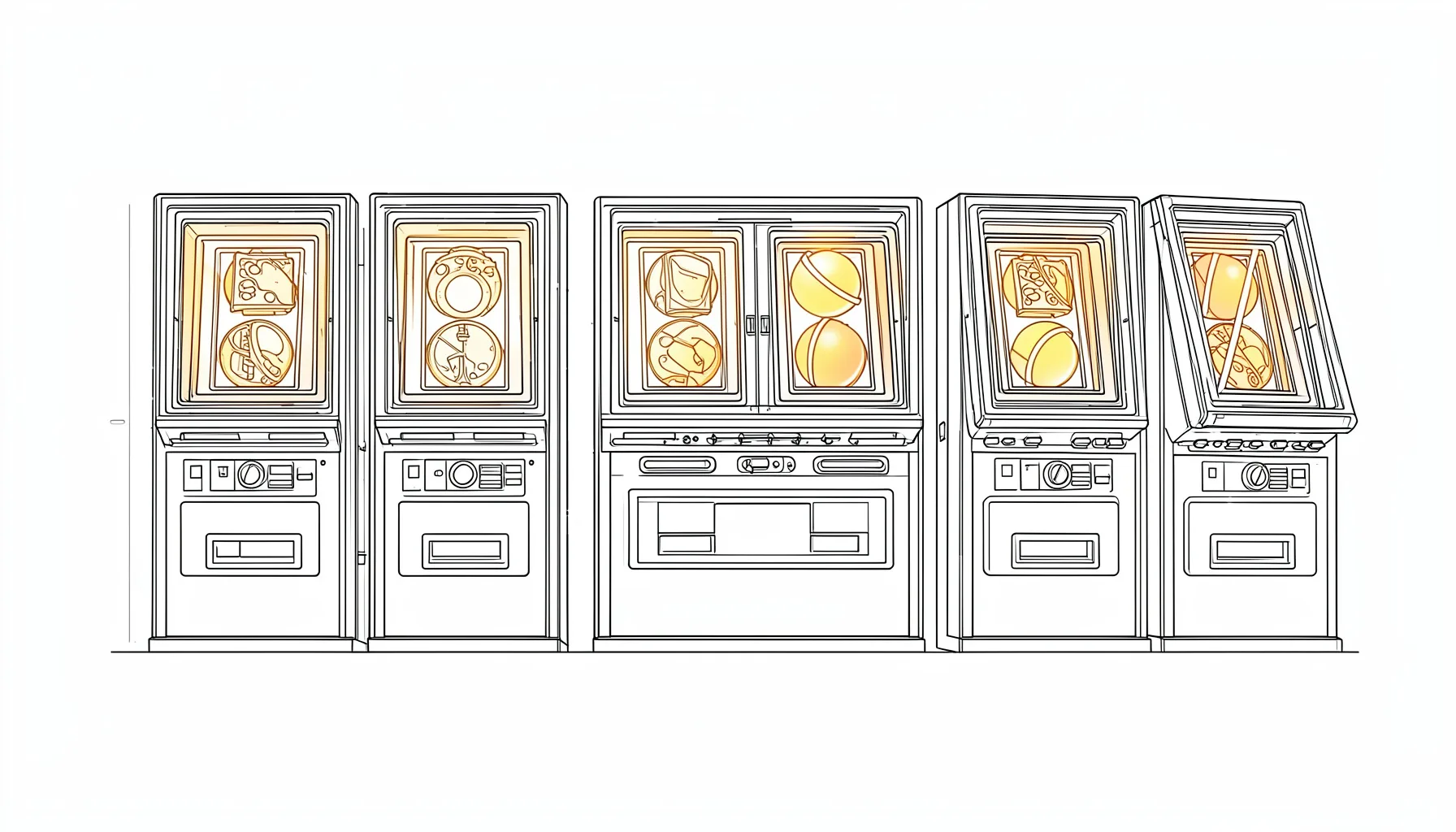
Camera placement is the silent partner of the director's choices. Before a single hand is dealt, the production team has spent days mapping the table with tripods, ceiling mounts and robotic heads. The classic roulette setup usually pairs a high-angle "table" camera that frames the entire wheel with a "wheel-eye" camera embedded in the rim, capturing the ball from the dealer's perspective. Blackjack tables tend to use a main overhead camera that frames the betting boxes, plus smaller cams pointed at the shoe to record every card as it is dealt.
Most providers now use ceiling-mounted PTZ cameras that can pan, tilt and zoom silently from a remote control room. Robotic cameras remove the human wobble that handheld lenses introduce, and let a single operator control several cameras at once. The result is a feed that feels smooth even when the camera is constantly in motion, responding to the action at the table.
Switching Between Angles in Real Time
The cut between two camera feeds is invisible to most viewers. Studios achieve this through careful timing, matched colour grading and consistent framing. When a director cuts from a wide shot to a close-up, both cameras are usually already running, with the close-up operator framing the shot in advance, so the cut lands on an already-composed picture rather than a camera still finding its subject.
Different games call for different rhythms. Baccarat deals cards slowly, so cuts tend to be sparse and formal, marking each card down before moving on. Game-show formats, by contrast, can involve twenty or more cuts in a single spin of a money wheel, including reaction shots of presenters, wide shots of the studio audience and overhead views of the betting grid. Live casino streams watched in Australia are typically produced overseas, often in Europe or Asia, which means the broadcast schedule is offset by seven to eleven hours from AEST. That time difference is one reason players in Sydney, Perth and Brisbane often find late-night and early-morning sessions are the most fully-staffed.
The Technology Powering the Angles
A live studio's multi-angle system is a stack of technologies that have to work in concert. The cameras themselves are usually industrial broadcast models, sometimes custom-built for low-light casino environments, with sensitive sensors that can read the pips on a card or the number on a roulette wheel even under warm studio lighting. Robotic PTZ heads, motion-controlled rails and ceiling-suspended gimbals allow cameras to move without any visible operator in the shot. Video is encoded in real time and pushed to a vision mixer, which switches between feeds with no perceptible delay.
Latency matters here. Australian players are used to fast mobile networks, with 5G rolling out through the major capitals and NBN fibre serving most homes, and they expect the same from a live stream. Studios work hard to keep end-to-end latency under a second or two, which means the cameras, encoder, mixer and content delivery network all have to be tuned for speed. If latency creeps up, the chat between dealer and player starts to feel out of sync, and the carefully timed camera cuts begin to feel late. For anyone who wants to read more about how these production choices affect a session, the ilahisozler.com resource has a useful breakdown of the player's side of the experience.
How Australian Players Experience These Views
Most Australians have limited access to locally licensed live casino studios. The Interactive Gambling Act 2001 prohibits Australian-licensed operators from offering online casino games, which means the streams Australians watch are typically produced by overseas studios and delivered through internationally regulated brands. The Australian Communications and Media Authority keeps a close eye on how those brands are advertised locally, including rules around inducements and in-play elements.
That legal backdrop shapes how players actually interact with the multi-angle experience. Many Australian players prefer to watch on a phone during the commute, switching between portrait and landscape to get the most out of the camera work. Some prefer a tablet on the kitchen bench so they can see wide shots and close-ups at the size they were framed by the director. Others cast to a living-room screen during the evening, when the big-game tables tend to be at their busiest. The way a studio's angles are framed for a 16:9 landscape screen, a 9:16 phone or a 4:3 tablet can make a real difference to how legible the action feels, which is one reason the better-known providers test their layouts across devices.
Players who want a clearer sense of how a particular studio handles its data, streams and personal information should check the live-casino1x.com/privacy page before they sit down at a table. It sets out what is captured by the cameras, what is stored by the platform, and what is shared with third parties, which matters in a market where local consumer protections do not always extend to overseas providers.
Useful Habits for Reading the Angles Closely
Players who want to get the most out of a multi-angle live casino stream can adopt a few small habits.
- Spend a few hands just watching before placing bets, treating the table as a small piece of television and noticing where the cuts tend to fall.
- Use a landscape view on a tablet or laptop when the game involves a layout, such as roulette or baccarat, so the wide shot frames the table properly.
- Switch to a phone in portrait only for fast games where the close-up is the main event, such as a single blackjack hand.
- Pay attention to the overhead shot when the dealer is shuffling, as it is the angle most likely to confirm the cards are being mixed properly.
- Note the studio's local time zone and busiest hours, since the most fully-staffed camera teams tend to work the evening shifts in their own market.