How Live Dealer Games Use OCR Technology
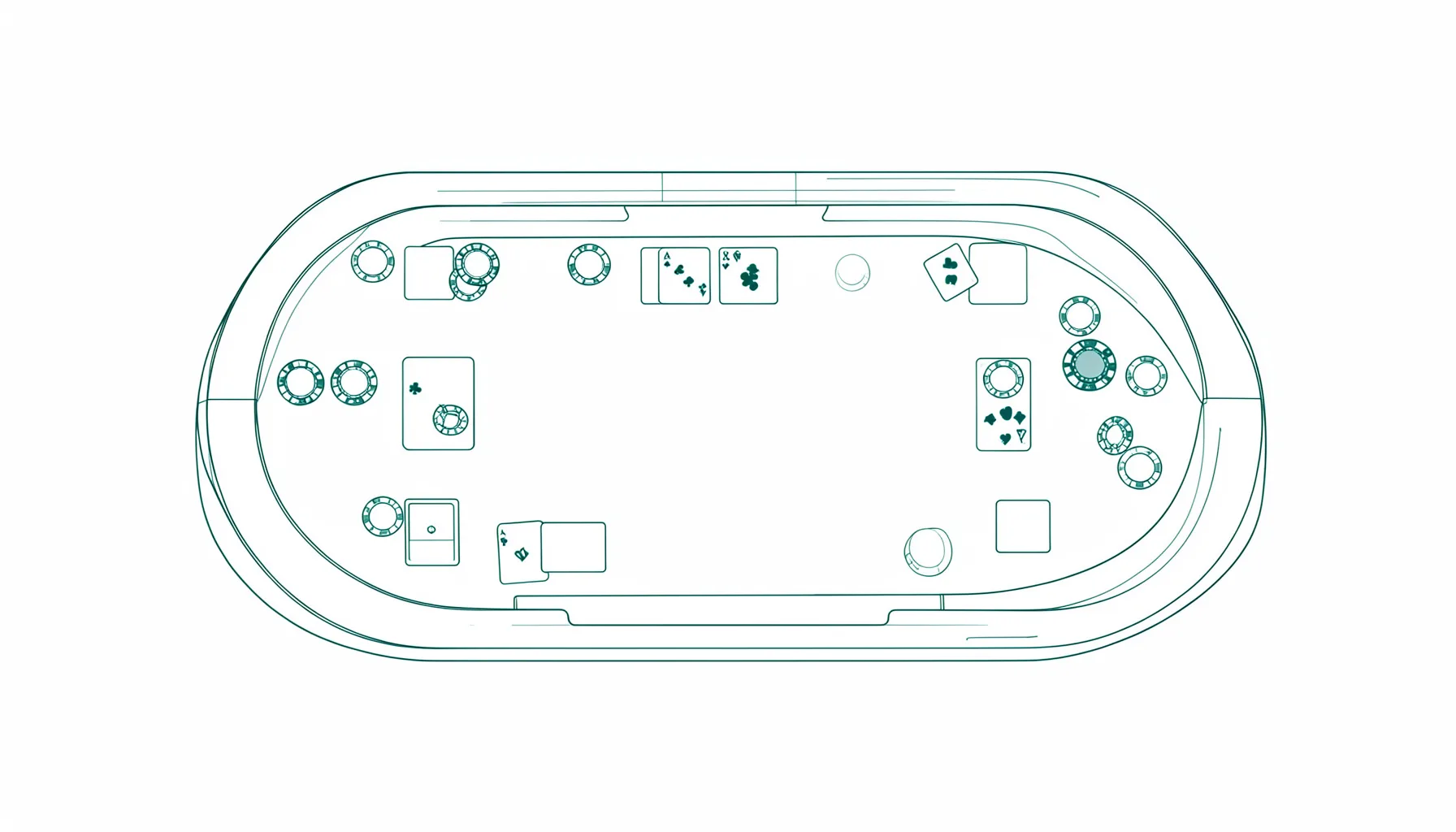
Live dealer games are filmed in purpose-built studios, where a trained dealer handles physical cards, chips and a roulette wheel while cameras send the action to online players. Optical character recognition (OCR) is one part of the production chain: software turns visible words, numbers and symbols into machine-readable data so the broadcast interface can identify results, display statistics and keep multiple views in sync.
It does not decide a winning hand or replace the dealer. A human dealer still runs the game, applies the rules and settles bets. OCR mainly reduces repetitive visual work and improves the information shown on screen, which is why a brief latency, a covered card or a camera angle can affect the experience even when the underlying game is perfectly fair.
From Camera Feed to Live Interface
Most studios use fixed overhead cameras, a studio camera and sometimes a second angle for close-ups. These feeds are low-latency video streams, not still-image scans. The system repeatedly samples frames, corrects perspective and compares what it sees with the expected game state. When a card changes position or a result appears, the relevant frame and timestamp are used to update the digital layer.
The recognition stack usually combines OCR with computer vision. OCR reads printed ranks, suit marks, numeric labels and on-screen prompts, while object recognition follows chips, hands and card positions. Each interpretation receives a confidence score, and doubtful readings can trigger another camera angle or manual review. Live casinos often sit inside broader gaming portals rather than separate products. The interface may appear within an online gaming portal alongside sportsbook areas and shared account features, although the studio recognition process begins only after a player enters a live game.
Reading Cards, Results and Prompts
In blackjack, OCR can interpret rank-and-suit markings, while card tracking calculates the visible total and compares it with the dealer’s hand. It can also read on-screen prompts or payout labels. In baccarat, the same general process captures cards, totals and the result panel. Roulette presents a different visual challenge because the numbered wheel is curved, partly hidden by the ball and viewed at an angle.
For all formats, result detection usually combines more than text recognition. The system may compare the physical outcome with a digitally generated graphic, then publish only when the data agrees. This cross-check matters when a numeral is blurred by motion or compression. It also explains why a game-show multiplier can appear on one player screen a fraction earlier than on another: different networks or devices may receive the update through different paths.
OCR Across Popular Live Formats
The visible purpose of the technology varies by game. OCR contributes most when values need to be converted into structured fields, while computer vision handles physical objects and movement. Exact implementations differ between studios and providers.
| Live format |
Information captured |
OCR role |
Dealer-controlled element |
| Blackjack |
Card ranks, suits, hand totals and outcome labels |
Converts visible values into structured hand data and statistics |
Calling, splitting, doubling and settlement |
| Roulette |
Wheel numbers, ball position and result panels |
Reads number markings and displayed winning results |
Spinning, ball release and no-call decisions |
| Baccarat |
Card values, shoe state and winning-hand prompts |
Extracts numerical values and result wording |
Dealing, third-card decisions and payout |
| Game shows |
Multipliers, symbols, scores and result prompts |
Digitises changing numerals and displayed outcomes |
Presenter choices, bonus progression and settlement |
The shared principle is verification. A card total should match the cards on the felt; a roulette result should match the ball’s settled position; a multiplier should match the presenter’s announced outcome. Software can detect a mismatch and stop the feed, but the dealer remains responsible for the physical sequence. This protects integrity without pretending that image analysis is infallible.
Accuracy, Latency and Human Oversight
Studio lighting, dealer movements, chip stacks and camera placement all influence recognition. Good operators use consistent uniforms, matte surfaces, calibrated viewpoints and redundant cameras. They also design a fallback path: if the confidence score is too low, the system can wait for a clearer frame, switch views or ask a floor supervisor to verify the result. This is especially important during busy rounds with several side bets.
The player-facing difference is easy to appreciate in blackjack. A comparison of live blackjack differences explains how a real dealer, slower decisions and physical card handling alter the rhythm compared with software. OCR supports that format by capturing values and overlays, yet it should not make the session feel automated. A readable result, sensible pacing and visible dealer confirmation matter more than an elaborate animation.
A Practical Reliability Checklist
Before trusting a live game display, look for consistency between the physical action and the information on screen. The following checks are useful when comparing providers or trying an unfamiliar studio:
- Compare the card, wheel or multiplier shown by the dealer with the digital result.
- Watch a complete round before placing a larger bet.
- Check whether results remain visible when a side bet is active.
- Test the stream on a phone across portrait and landscape orientations.
- Note delays between the dealer’s action and the displayed outcome.
- Confirm the rules, payout rates and session limits before joining.
A stable feed should remain legible under changing network conditions. If text repeatedly freezes, results appear without dealer confirmation or camera angles obscure cards, the presentation layer may need attention. That does not automatically mean the game is biased; it may indicate weak streaming or recognition infrastructure.
Live Play in the Australian Market
Australian players should separate the technology from the legal status of the operator. The federal Interactive Gambling Act 2001, the Australian Communications and Media Authority and state or territory regulators all shape how online gambling is overseen. Live casinos marketed to Australians may be locally licensed or operate offshore, so checking regulator registers, operator terms, accepted payment methods and age requirements is part of responsible play. Gambling is restricted to adults aged 18 and over.
Everyday use tends to be mobile-led across Sydney, Melbourne, Brisbane and other cities. Commutes, lunch breaks and evening sessions can place live games on phones with variable mobile coverage, making data consumption, portrait orientation and quick camera switching relevant details. Playing in Australian dollars can also make deposits and limits easier to understand, while time-zone differences may matter for studio schedules and promotional countdowns.
OCR remains a supporting technology rather than a guarantee of trust. It can make results clearer and help operators monitor hundreds of rounds, but players still benefit from reading the rules, setting deposit and loss limits and choosing sessions that match their available time. The strongest live-dealer experience is the one in which accurate data, an attentive dealer and a responsive interface reinforce one another without hiding the physical game.