How live dealer blackjack differs from playing against a computer
The hum of a casino studio, the flick of real cards across green felt, and a dealer who responds when you type "good morning" — these details vanish the moment you switch to software-based blackjack. Players across Sydney, Melbourne, and Brisbane are increasingly curious about what makes the streamed version so different from clicking a button and watching an algorithm decide their fate.
While both formats share the same basic rules, the experience diverges sharply once you factor in human dealers, physical equipment, and the underlying technology. In Australia, where live gaming is regulated under the Interactive Gambling Act and state-level oversight, choosing between the two often comes down to the kind of session you want — a quick round on a Brisbane lunch break or a leisurely evening that mirrors the feel of Crown Melbourne.
This guide walks through the practical differences between human-dealt and computer-dealt blackjack. Whether you are a newcomer testing the waters or refining your approach, understanding these mechanics helps you pick the right table for your mood, your device, and your bankroll.
The human element behind the cards
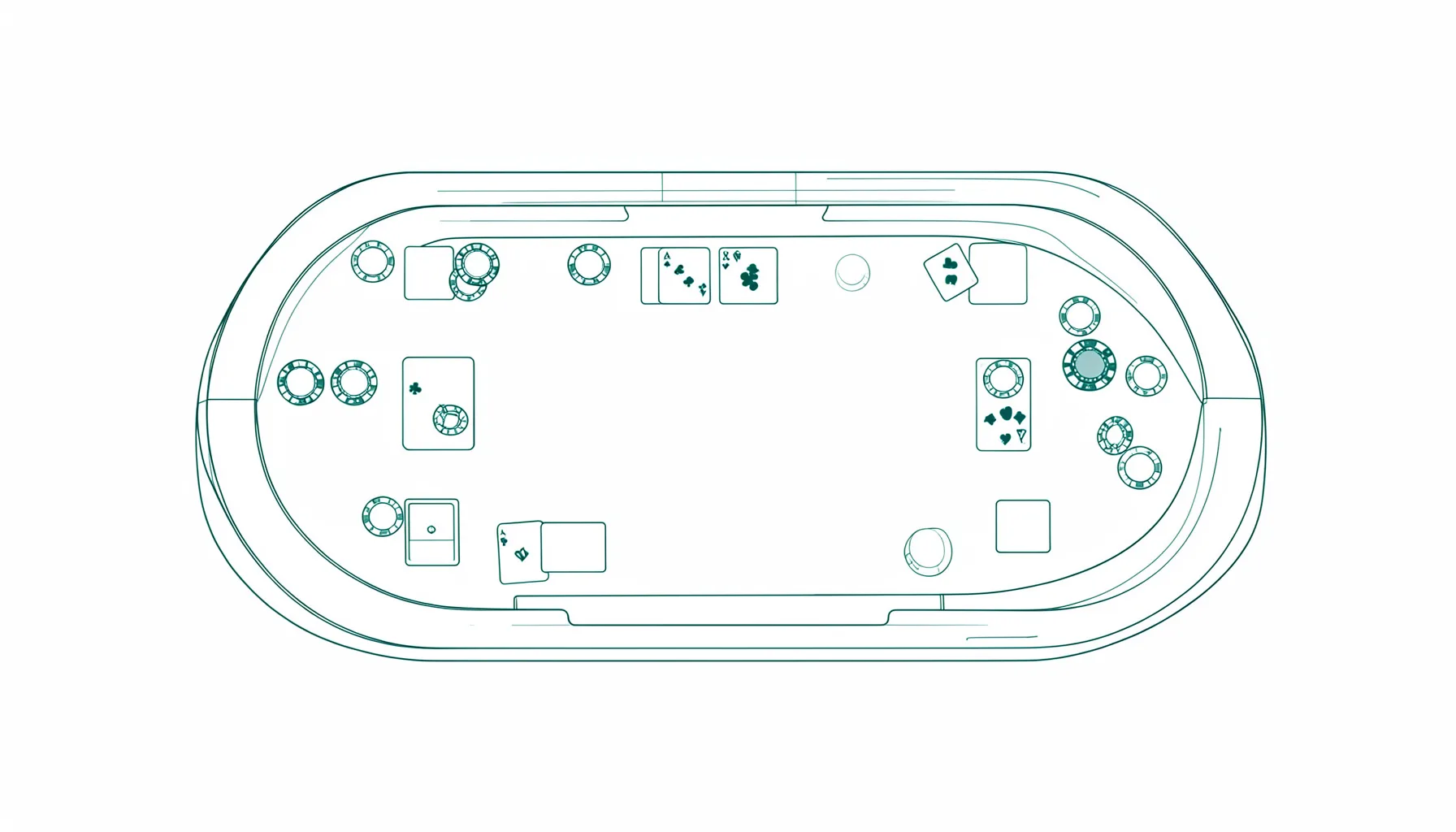
The single biggest difference between live dealer blackjack and its computer-driven counterpart is the presence of a real person. A trained croupier stands behind the table, draws cards from a physical shoe, and announces each action in clear, audible language. When the dealer smiles at your chat message, that warmth is genuine rather than scripted.
Computer blackjack runs on a random number generator. The cards appear as crisp digital graphics, the dealing animation looks polished, and the round takes seconds. There is no conversation, no personality, and no one to congratulate you on a perfect split. For many players logging on after a long day in the Adelaide CBD or a late shift in Kalgoorlie, that absence of warmth is exactly what they want — quiet, fast, and anonymous.
The human element also introduces minor unpredictability. A dealer might pause to reshuffle, ask if you need more time, or simply chat about the cricket while cards are in motion. These small moments add texture that software cannot replicate, even with the most advanced animation.
Real cards, real shoes, real shuffles
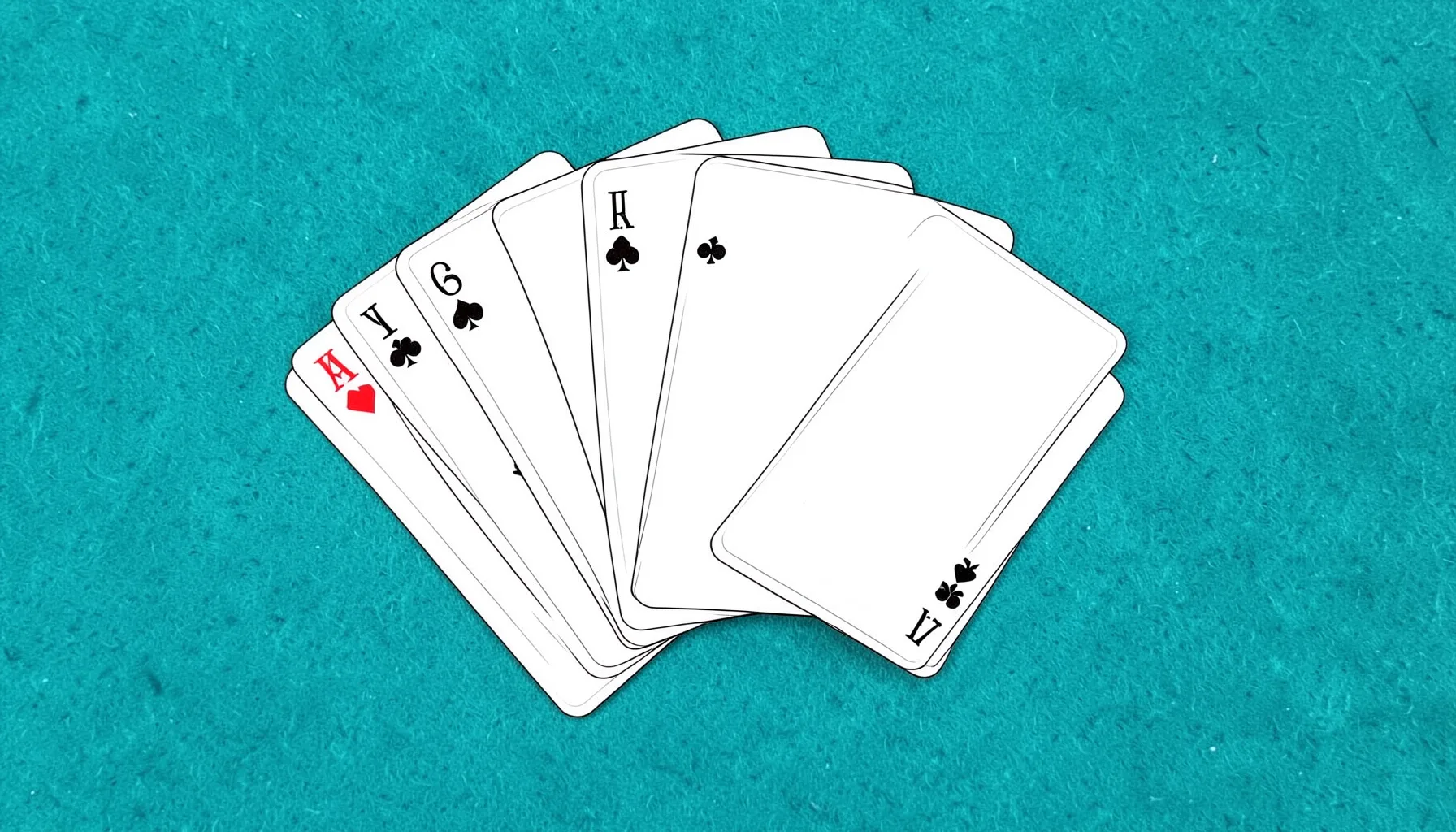
Live dealer tables use actual decks of cards, typically six or eight, shuffled by hand or by an automatic shuffler between rounds. You can watch the cut card being placed, the felt receiving the slide of fresh cards, and the shoe being refreshed when the marker indicates. Many studios cut the cards frequently to reassure players about fairness.
Software blackjack relies on mathematical algorithms to determine outcomes. The cards are virtual representations generated by code. While reputable providers have their RNGs audited by independent laboratories, players must take the certification on faith. There is no deck to see, no shuffle to watch, no snap of plastic to hear.
For Australians who value transparency, this visibility can be a deciding factor. Watching a shoe being cut live creates a sense of participation that animation cannot match. If you want to understand how these streams reach your screen, exploring a live casino section reveals how studios are engineered for trust as much as entertainment.
Pace of play and decision time
One of the most measurable differences is how long a hand takes. In RNG blackjack, you can blast through 200 or 300 hands per hour if you click fast enough. Decisions are instant, there is no waiting for the dealer to react, and the round finishes in roughly five seconds per hand.
Live dealer blackjack moves at human speed. The dealer waits for your decision, gives other players time to act, and follows the natural rhythm of a real table. A typical hand takes 12 to 20 seconds depending on table limits and player count. Over an hour, you might see 50 to 80 hands rather than hundreds.
This slower pace has practical implications. Your bankroll lasts longer, you have more time to consult basic strategy charts, and you avoid the fatigue of rapid-fire clicking. Many Australian players find this rhythm easier on the eyes, especially during late-night sessions in Perth when they want something closer to Crown Perth than a quick commute game.
| Aspect |
Live Dealer |
Computer (RNG) |
| Pacing |
Dealer-driven, 12–20s per hand |
Instant, ~5s per hand |
| Card source |
Physical decks, visible shuffle |
Random number generator |
| Social element |
Live chat with dealer and players |
None |
| Visual proof |
Video stream of every action |
Algorithm certification only |
| Hands per hour |
50–80 |
200–300+ |
| Mobile data |
Higher, continuous video |
Low, lightweight |
| Studio hours |
Scheduled, may pause |
24/7 availability |
Streaming technology and studio setup
Live dealer blackjack depends on high-quality video streams. Studios are equipped with multiple cameras, professional lighting, and dedicated microphones. The feed is encoded and sent through content delivery networks to your browser or app. Even a brief dip in bandwidth can cause stuttering, dropped frames, or a frozen card.
Computer blackjack has almost no streaming requirements. The graphics are rendered locally on your device, the data exchanged is tiny, and a stable connection barely matters. You can play on flaky café Wi-Fi in Surry Hills without missing a beat.
This technical gap shapes where Australians play. Live dealer sessions demand a solid connection — ideally a stable home network or strong 4G/5G signal. RNG games can run almost anywhere, which is why they remain popular for quick sessions on the train from Hornsby to the Sydney CBD. Before committing to a platform, players should also review its privacy practices to understand how connection data and personal information are handled.
Social interaction and chat features
Most live dealer tables include a chat box where you type messages that appear on the dealer's screen and sometimes on a public overlay. You can ask questions, comment on the play, or simply say hello. Dealers respond out loud, and the conversation is part of the entertainment.
Software blackjack offers no chat. There is no one to greet you, no one to wish you luck, and no camaraderie with strangers. For players who enjoy the social side of a casino — a key reason Australians have flocked to venues like Crown Sydney and The Star — that absence is significant.
Choosing the right format for your session
Selecting between live dealer and computer blackjack comes down to what you want from the session. Consider your internet speed, attention, social preferences, and how long you intend to play. Many players keep both options open and switch depending on the moment.
A useful starting point is to ask whether you want to be entertained or to be efficient. Live dealer sessions are slower but more immersive, ideal for evenings at home when you want to unwind. RNG tables are faster and more private, perfect for filling a few minutes during a commute or a coffee break in Melbourne's laneway cafes.
- Test your connection before committing to a long live dealer session.
- Choose a studio with clear camera angles and an accessible chat interface.
- Use RNG tables when you have limited time or unstable Wi-Fi.
- Pick live dealer tables when you want pacing that mirrors a real casino floor.
- Set a time limit rather than a hand count, as live sessions feel slower.
- Familiarise yourself with the platform's terms before signing up.
- If you are comparing providers or exploring alternative platforms, independent review sites such as pc 1 can offer broader industry context.
Why the difference matters for players
Both formats share the same mathematical rules, the same payouts, and the same basic strategy chart. What changes is the texture of the session. Live dealer blackjack offers a slower, more social, more transparent experience at the cost of speed and bandwidth. Computer blackjack offers instant play, complete privacy, and unmatched convenience at the cost of warmth and visual proof.
Australian players who value the feel of a real table, enjoy chatting with dealers, and appreciate watching real cards being drawn will find live dealer sessions compelling. Those wanting quick, private gameplay that fits a busy schedule will still prefer the RNG version. Many players eventually settle into a hybrid routine — live dealer for relaxed evenings in Adelaide or Brisbane, RNG for everything else.
Players looking to compare different providers can consult independent review sites to weigh streaming quality, table limits, and dealer professionalism before settling on a favourite.