How live casino studios handle player privacy and data security
Live casino studios combine real dealers, streamed blackjack, roulette, baccarat and game-show formats with digital betting interfaces. This creates several data streams at once: account records, identity checks, payments, bets, chat messages and footage from cameras pointed at the gaming area. Protection must therefore cover the studio floor, cloud infrastructure, payment services and every device used to connect.
Australian players often join from a phone during a commute or later continue at home, so privacy cannot be treated as a desktop-only concern. In Sydney and Melbourne, café Wi-Fi, shared tablets and busy household networks can expose credentials even when an operator uses strong encryption. Session alerts and careful connection choices form part of practical protection.
Camera placement is equally important. Studio cameras record dealers, cards or roulette wheels, yet they can also capture staff, visitors and nearby conversations. Players should know what is recorded, who can review it, how long it remains and whether the public stream differs from an archive kept for security or quality assurance.
Strong security also separates confidentiality from game integrity. Encrypted connections and restricted staff access protect personal data, while independently tested random number generators and logged results support fair outcomes. A trustworthy operator explains both plainly and applies the same rules across desktop, mobile and live dealer services.
Information studios receive during play
Before funding an account, players normally provide identity and contact details. Know Your Customer checks may involve a passport or driver’s licence, proof of address, occupation and source-of-funds information. These records help the operator meet licensing rules, prevent duplicate accounts and assess unusual activity, but they also create sensitive files that require strict access and retention controls.
During play, the platform records bets, wins, balances, game versions and timestamps. It may also collect device identifiers, IP addresses, approximate location, browser details and cookie preferences. Production operators may retain feed recordings, chat and support records. The important distinction is between data required to operate the game and data collected merely because it is technically available.
Players examining a live casino lobby should be able to see relevant privacy choices before registration, including marketing consent, communication preferences and optional participation in chat. The lobby should also identify the legal operator, listed data categories and retention periods rather than hiding them behind a generic support form. A request to erase an old account is meaningless if the same identity remains in duplicate records.
Player privacy controls and account safeguards
Useful account controls combine privacy with harm reduction. Players can restrict chat, mute notifications, adjust marketing channels, set deposit limits and enable session reminders. Where offered, biometric login or two-factor authentication adds a second barrier. Shared passwords, reused banking details and unverified email addresses remain weak points regardless of the studio’s infrastructure.
Privacy notices should explain collection purposes, third parties, overseas transfers and complaint routes in readable language. Australian privacy rights generally include access and correction, although coverage depends on the organisation and its turnover. Players should review these controls before depositing and revisit them whenever a new payment provider or communication tool appears.
| Area |
Standard online casino lobby |
Live dealer studio |
| Identity |
Profile data and KYC documents |
Usually the same checks, plus a displayed player name |
| Game records |
Bet history, balances and result logs |
Bet and result logs, plus table and production events |
| Media |
No studio camera; device permissions vary |
Studio cameras capture play, while room sound may be recorded |
| Communication |
Account messages and support chats |
Live chat, direct messages and possible voice participation |
| Retention |
Governed by the account privacy policy |
May also cover production footage, fraud evidence and quality review |
Camera systems and studio-side privacy
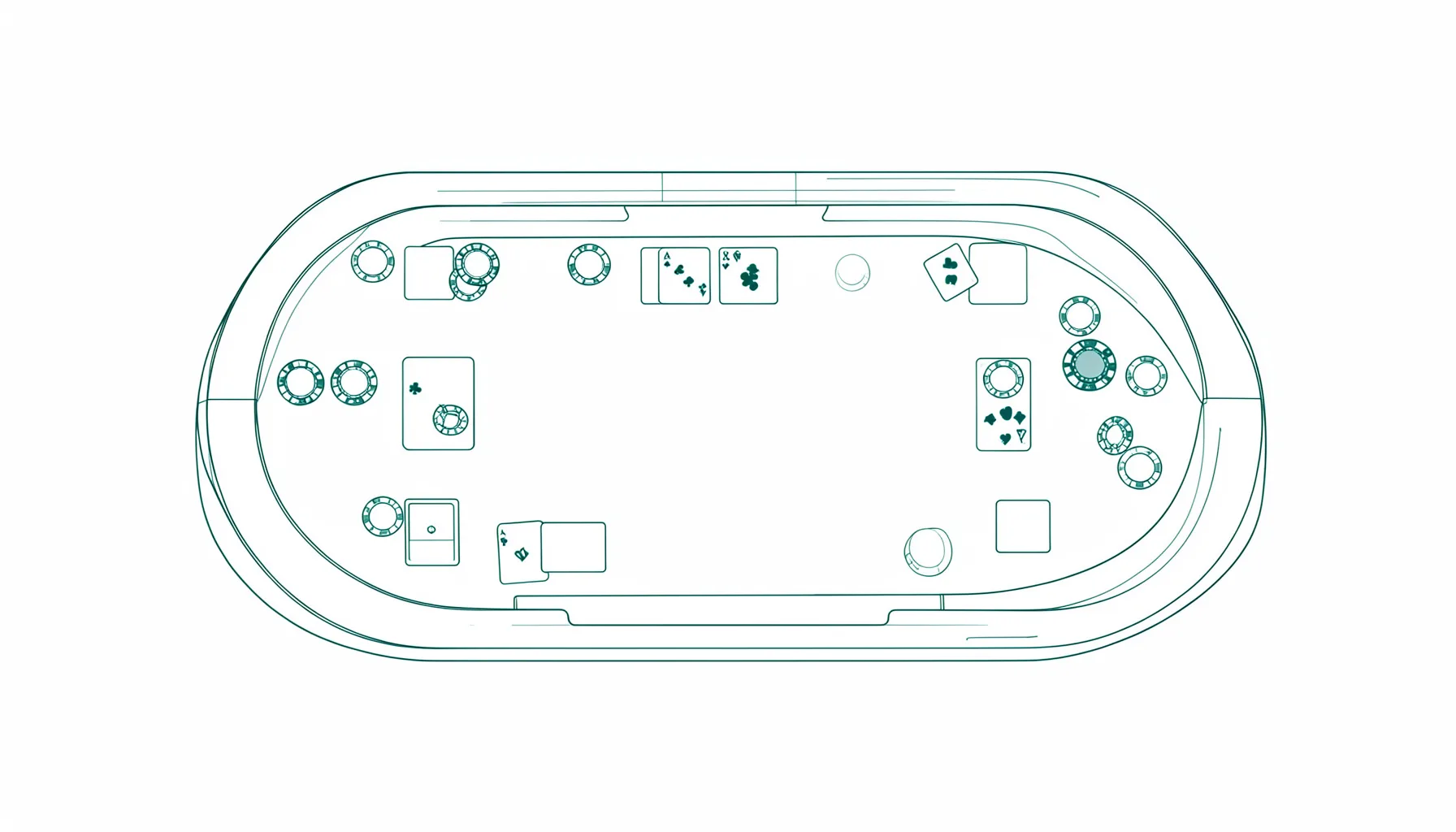
Multiple camera angles give players a clear view of the dealer, cards, chips and wheel, so production teams usually place fixed cameras above the gaming area. A practical example appears in the multi-camera studio guide, which shows how those views support transparency without requiring access to a player’s home camera.
Most live table games do not use the player’s webcam or microphone unless a specific format invites audio or video participation. Even so, room microphones may record announcements and ambient sound, while on-screen chat can reveal names, locations or other personal details. Voice features should have a visible status indicator and a clear off switch.
Recorded feeds may be kept for fraud investigation, dispute handling, training or broadcast quality. Access should be limited by role, review should be logged, and deletion schedules should cover both footage and associated metadata. A camera angle demonstrates visibility, not data protection, so the studio’s access policy matters as much as its equipment.
Encryption, payments and operational security
Connections between a phone and the live platform should use current TLS encryption, with sensitive records encrypted at rest. Payment details are commonly tokenised by payment processors, so the casino stores a payment token rather than a reusable card number. Any exception to that arrangement should be explained, along with third-party access and breach-notification procedures.
Random number generation is a separate layer. Physical shuffles, wheel sensors and digital random numbers may feed a game hosted by a licensed supplier. Independent testing, immutable result logs and reconciliation of bets with outcomes help investigators verify fairness. These controls protect game integrity; they do not automatically prove that personal information is handled well.
Operational security includes role-based staff permissions, multifactor authentication for staff, network segmentation, software patching, audit logs and tested incident response. Studios also depend on cloud hosts, communications firms and payment providers, making supplier agreements and data-location terms important. A credible policy states who retains data, for how long and when records are securely erased.
Australian legal and market considerations
The Privacy Act 1988 and Australian Privacy Principles set expectations for many organisations that handle personal information, with oversight through the Office of the Australian Information Commissioner. Coverage can differ because of turnover thresholds and exceptions, so players should not assume every offshore casino follows the same rules as a large Australian entity. A named privacy contact and enforceable complaint process are useful indicators.
Gambling regulation is state and territory based, and rules differ across the domestic market. Some Australian players use locally authorised operators, while international sites may target Australians through licences issued elsewhere. Brand names on television or social media do not prove local authorisation. Checking the relevant state or territory regulator’s register helps separate a legal local market from offshore advertising.
ACMA regulates gambling advertising broadcast in Australia, while misleading security or fairness claims can also breach the Australian Consumer Law and prompt action by the competition regulator. Readers seeking general gaming context can use that material alongside formal policies, but an operator’s terms, licence record and regulator register offer stronger evidence than promotional wording. Security language should be specific, dated and consistent.
Secure habits for Australian players
A strong connection is the first layer of defence. Updated apps and browsers, enabled device encryption and a trusted home network reduce exposure, while mobile data can be safer than open café Wi-Fi for a live session. A VPN may conceal an IP address, but it does not repair a weak password and can conflict with location checks, so it should never be treated as a substitute for basic account security.
Payment and identity requests deserve equal care. Confirm bank or e-wallet details through the official account, review statements for unfamiliar activity and avoid sending identity documents through chat or email. Separate casino money from everyday spending accounts where practical, and use deposit limits that suit a fixed entertainment budget.
- Confirm the legal entity and licence in the relevant Australian regulator’s register before depositing.
- Read the privacy notice for identity, camera, voice, location and retention practices.
- Create a unique password and enable multifactor authentication or passkeys whenever supported.
- Use a private connection or mobile data instead of open public Wi-Fi for account changes.
- Verify withdrawal requests and never approve a new payment destination from an unsolicited message.
- Review balances, statements and active sessions regularly, then close old or shared accounts.
Together, these controls create a practical boundary around money and personal information. The most credible live dealer service makes its operator, safeguards and retention rules visible before a player commits funds.