How Live Dealer Interaction Affects Your Game Experience
Live dealer casino games combine digital convenience with the social rhythm of a real table. A streamed dealer guides each round, confirms bets, announces results and responds to selected messages, creating a more active environment than an automated game. The result can feel closer to visiting a casino in Sydney, Melbourne or Perth, even when the session takes place on a mobile phone.
Dealer interaction changes the pace and atmosphere of play. A calm presenter can make baccarat feel polished and easy to follow, while an energetic game-show host can turn a simple wagering format into a louder entertainment experience. These differences influence how quickly players make decisions, how long they remain engaged and how clearly they understand each stage of a round.
The quality of the connection matters just as much as the personality at the table. Clear video, accurate audio and responsive betting controls help players follow cards, wheel spins and hand signals without confusion. A weak connection, delayed stream or crowded interface can make the same game feel stressful, particularly during busy evening periods in Australian time zones.
Interaction should add context and enjoyment without replacing sensible limits. The dealer operates the table, but the player controls the stake, game choice and length of the session. Understanding that boundary makes it easier to appreciate the live format while keeping decisions based on a planned budget rather than excitement, pressure or the mood of the room.
The Dealer’s Role At The Table
A live dealer acts as a guide through the rules and sequence of each round. In blackjack, the presenter confirms the initial cards, explains available actions and announces the result. In roulette, the dealer manages the wheel and ball while the interface displays open betting options. Baccarat usually has a slower, more ceremonial rhythm, with the dealer revealing cards in a defined order.
This guidance can reduce uncertainty for newcomers. A player who knows when betting closes or when a card will be turned over can concentrate on the game rather than searching through instructions. Dealer commentary also provides useful orientation when a table includes several betting areas, side bets or special features.
Interaction is usually structured rather than personal. Dealers may greet viewers, acknowledge a win or answer simple questions, but they cannot change the rules or influence an outcome. Their role is to maintain a consistent procedure for every participant. This distinction matters because a friendly response can feel personal even though the game remains governed by fixed rules and random outcomes.
Some formats make the dealer’s performance a central part of the appeal. Game-show titles use music, graphics and dramatic announcements, whereas traditional baccarat relies more on ceremony and visual clarity. Players can compare formats through resources such as this baccarat squeeze guide, which explains why the card-revealing ritual attracts so much attention.
Pace, Focus And Decision-Making
A human-led table often feels slower than a digital game because each action is announced and displayed. That extra time can help players check their stake and understand what is happening before the next round. It may be useful for someone moving from free-play games to a live environment, especially when learning blackjack actions or baccarat terminology.
The same pace can encourage longer sessions. Conversation, greetings and repeated visual cues create a sense of continuity between rounds. A player may stay because the table feels entertaining, even after the original reason for opening the game has passed. Setting a stop time is therefore as important as setting a spending limit.
Live interaction can influence emotional reactions as well. A dealer who celebrates a large win may increase excitement, while a quiet table may feel more measured. Neither atmosphere changes the mathematics of the game, yet both can affect the speed of decisions. Taking a short break after a significant win or loss helps separate entertainment from the urge to continue immediately.
Australian players may notice these effects when joining tables that operate on overseas schedules. A late-night session in Brisbane, Adelaide or Melbourne can coincide with a busy studio period elsewhere, while a quieter daytime table may offer fewer open games. Choosing a suitable time and checking the table’s pace can make the experience more comfortable.
Production Quality Shapes Trust
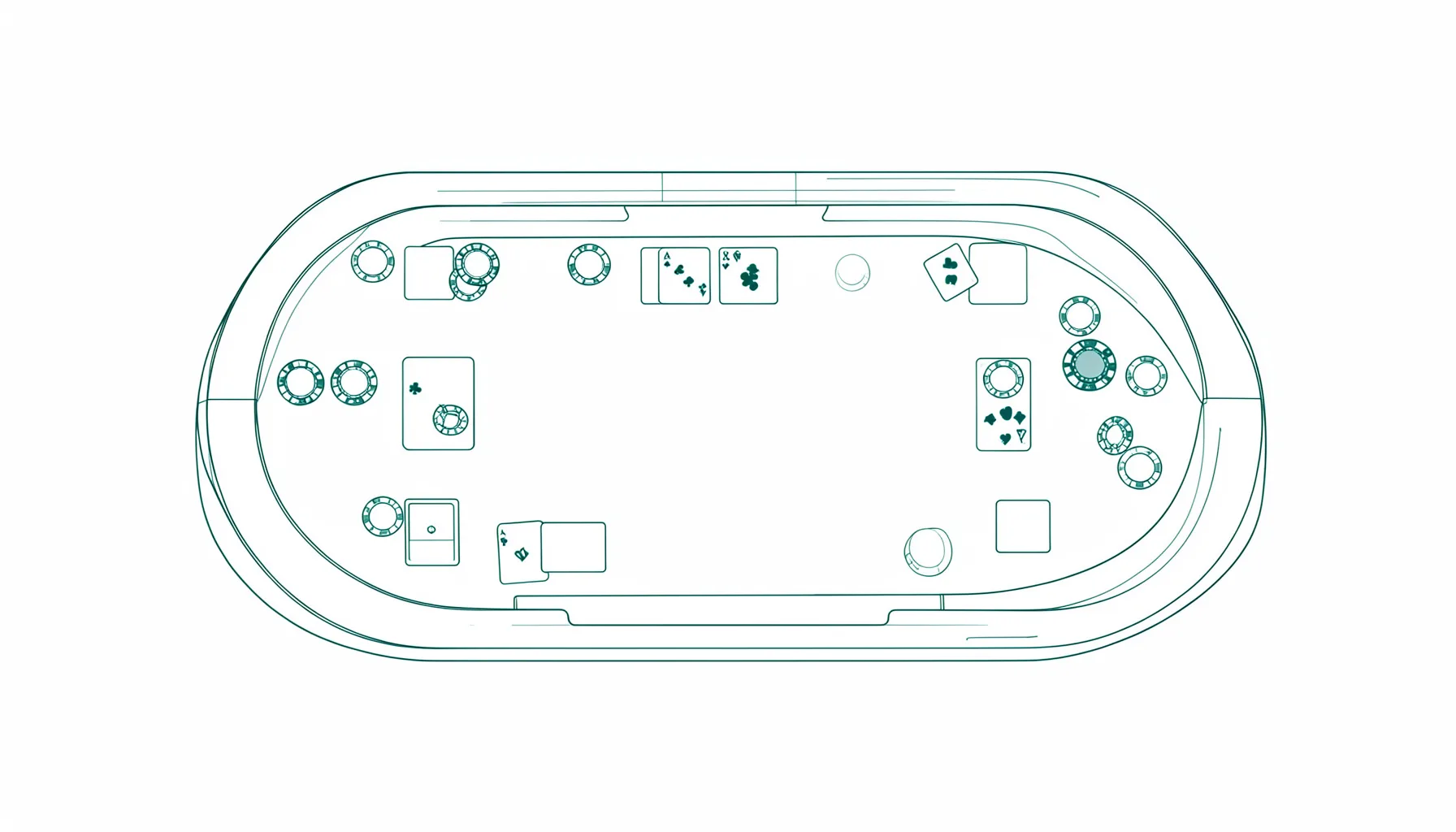
Studio production influences how credible and usable a live casino feels. Multiple camera angles should show the table, cards, wheel and dealer’s hands clearly. Graphics need to update quickly, and the voice track should match visible actions. When these elements work together, players can follow the round without repeatedly checking the betting panel.
The visual design also contributes to atmosphere. Lighting, table layout, dealer presentation and sound effects can make a game feel formal, modern or theatrical. Behind the scenes, streaming systems, broadcast software and 3D assets support this presentation. An interest in 3D studio design offers useful context for understanding how digital environments and visual elements can be created for interactive broadcasts.
Technical quality has a practical effect on decision-making. A frozen image during a roulette spin or an audio delay during a card announcement may create doubt about the current stage of play. Reputable platforms should show clear status messages, preserve a record of the round and explain what happens if a connection drops.
Players in Australia should test the experience over the connection they intend to use. A home fibre service in Sydney may perform differently from mobile data on a train in Melbourne or a shared network in a hotel on the Gold Coast. Closing extra streams, using a stable Wi-Fi connection and checking device battery levels can reduce avoidable interruptions.
Different Games Create Different Social Experiences
Blackjack tends to create the most decision-focused interaction because players choose actions during the hand. The dealer’s announcements make the sequence easy to follow, while the table interface shows options such as hit, stand, split or double. Players who prefer an active role may find this format engaging, although the pace can feel demanding when several decisions arrive close together.
Roulette is more observational. The dealer prepares the wheel, announces the closing of bets and completes the spin, while players mainly watch the result. Its appeal often comes from anticipation and table presentation rather than conversation. A slower roulette table may suit someone who wants a simple, visually clear game with time between rounds.
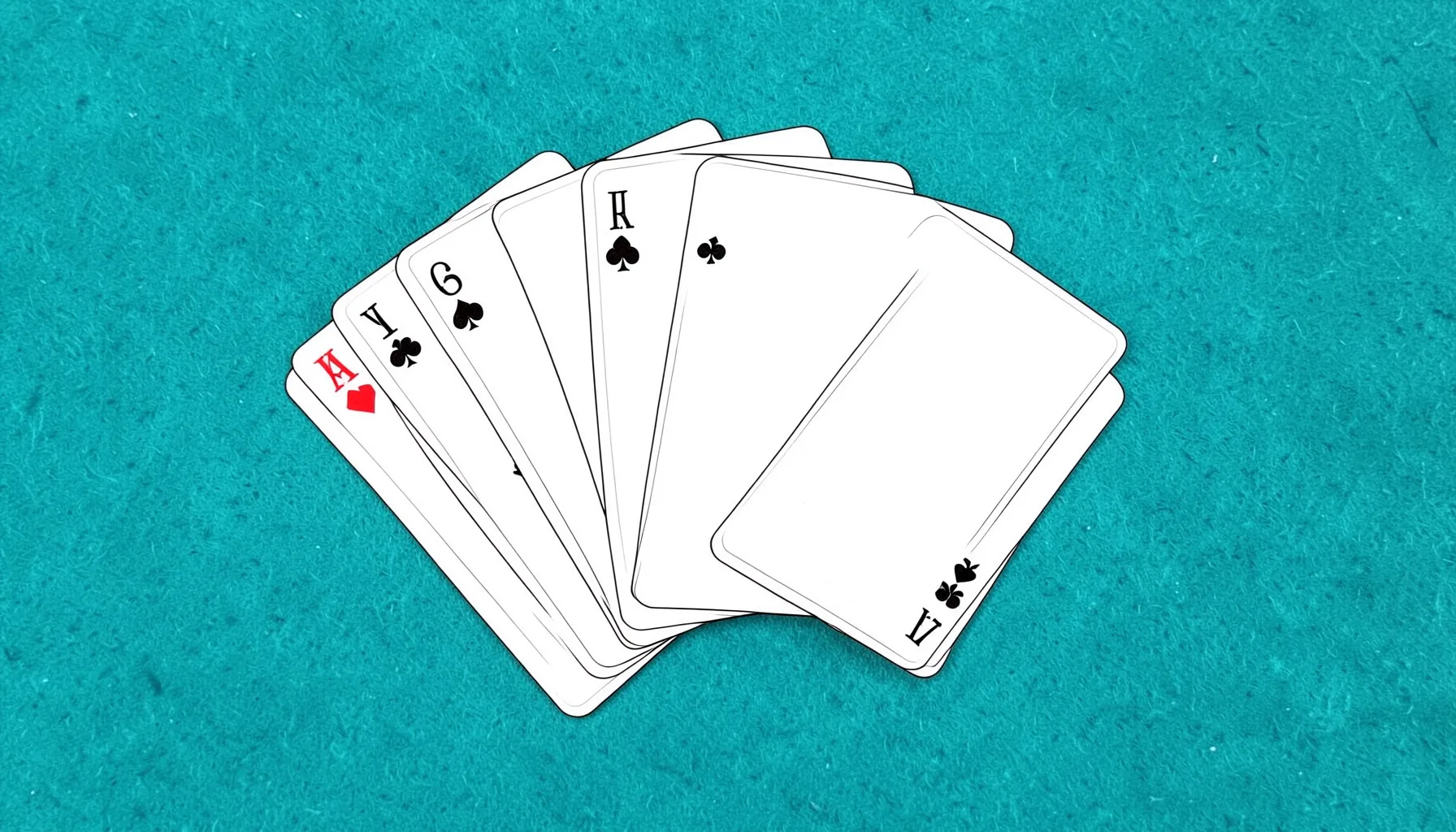
Baccarat sits between procedure and ceremony. The player typically chooses between established betting options, while the dealer manages the card sequence. The careful reveal can make each hand feel significant, particularly when the table uses close-up cameras and an experienced presenter. This format often suits players who enjoy a composed atmosphere rather than frequent decision prompts.
Game-show formats are designed for spectacle. Hosts may use jokes, music, countdowns and dramatic reveals to create a television-like setting. That can be enjoyable for social players, but the stimulation may make it harder to notice how long a session has lasted. Selecting a quieter table is sensible when the purpose is to learn rules or maintain a measured pace.
Practical Habits For Better Sessions
The strongest benefit of dealer interaction comes from treating it as part of the entertainment rather than as a source of influence over results. Watch how the table operates, learn the language used by the presenter and choose a pace that matches your experience. A live stream can make gambling feel more social, but it does not create a strategy that defeats chance.
Before joining, check the minimum stake, side-bet settings, available betting time and connection requirements. Australian players should also consider whether the platform is suitable for their location and payment preferences, and should use Australian dollars in their personal budget even when the table displays another currency.
Useful habits include:
- Choose a table with a pace and minimum stake that fit your planned session.
- Read the game rules and understand every optional side bet before placing funds.
- Set a time limit, spending limit and stop point before the first round.
- Use a stable connection and leave the table if stream quality becomes unclear.
- Review the site’s privacy information, including how account and payment data are handled; the privacy policy should be easy to find.
A dealer may make the table feel welcoming, but the most reliable experience comes from clear information and controlled participation. Players who monitor their own pace can enjoy the atmosphere of a live studio while keeping expectations realistic. This balance allows interaction, production quality and game variety to enhance the session without taking control of it.