How live baccarat squeeze brings drama to the table
A particular kind of silence falls over a baccarat table when the dealer reaches for the cards. In Macau's VIP rooms, where the gesture was perfected, players wait for the slow peel of each corner. That same hush now travels through fibre-optic cables into lounge rooms across Sydney, Melbourne, and Perth, courtesy of live dealer studios that film every millimetre of the reveal.
Live baccarat squeeze takes standard punto banco and turns the dealing into a piece of theatre. Instead of flipping cards quickly, the dealer bends the plastic slowly, building suspense before the rank fully shows. The format appeals to anyone who finds automated baccarat a touch too clinical.
Australian players have taken to the variant in noticeable numbers. Sydney's Star complex and Melbourne's Crown have always offered baccarat in their high-roller salons, and the streaming version replicates that salon atmosphere for anyone with a steady connection. It is the closest thing to a VIP experience without booking a flight to Marina Bay Sands.
This piece walks through the mechanics of the squeeze, the technology behind it, and the reasons the format has earned a loyal following. It also covers betting patterns popular locally, device choices, and a few practical points worth knowing before sitting at a felt table you can fit in your pocket.
The ritual that started in Macau
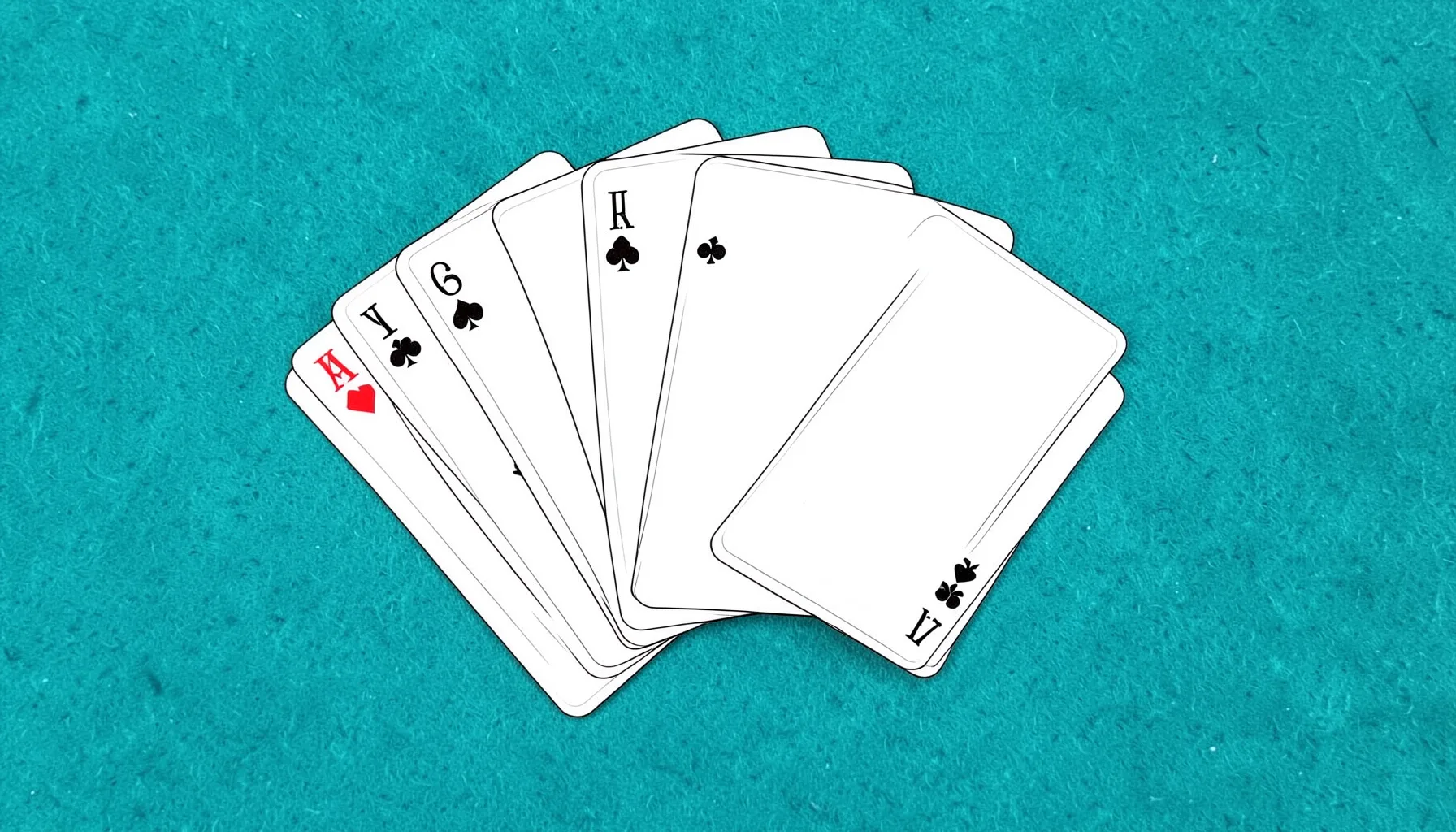
Squeezing cards is not a marketing gimmick. The gesture has roots in Asian baccarat culture, where ceremony has long shaped the game. Slowing the reveal is believed by some to transfer luck from dealer to bettor, while others simply enjoy the build-up. The practice migrated to live streams with little alteration, because the physical action is what makes it photogenic.
In a Macau VIP room, the squeeze is usually performed by the player who placed the largest bet. That tradition is preserved in many live dealer lobbies, where the interface lets a participant tap a button that prompts the dealer to peel the card. Smaller bettors still enjoy the slower deal, which keeps everyone engaged even when stakes are only a few dollars.
The squeeze resonates with the large Asian-Australian community in suburbs like Chatswood, Hurstville, and Box Hill. For players who grew up watching relatives bend cards at family gatherings, the streamed version offers a familiar comfort that automated baccarat cannot match.
Inside the studio: cameras, sensors, and sound
Pulling off a believable squeeze online requires specialised hardware. Most studios run two or three cameras pointed at the shoe: a wide shot for context, a medium shot of the croupier's hands, and a high-frame-rate close-up dedicated to the cards. The close-up is the workhorse, capturing the subtle bending of the card edge without motion blur.
Optical card readers sit inside the shoe to identify each rank the moment it leaves the deck, so the software already knows the result before the player does. The squeeze then becomes pure presentation. Studios lean into this with angled lighting that catches the embossed pattern on the card back, and a few pipe in a soft heartbeat when the reveal begins.
Bandwidth matters on the player's side. The close-up feed runs at higher resolution than the wide shot, and providers default to 720p before stepping up to 1080p when the connection allows. Viewers on the National Broadband Network from Brisbane to Adelaide generally find even basic NBN plans handle the streams comfortably, though older ADSL users in regional WA or Tasmania may see stutter at peak hours.
What happens in a round of squeeze baccarat
The dealing sequence follows punto banco rules, but the timing stretches out. After bets close on Player, Banker, or Tie, the dealer draws two cards for each side. In the squeeze variant, one player card and one banker card turn face-up immediately. The remaining two stay face-down, and these are the cards that get the slow reveal.
Depending on the studio, either the dealer or the controlling player bends the face-down card with deliberate motion. Some operators offer a player squeeze where a tap on the touchscreen tells the croupier to pause, speed up, or finish the peel. The card is revealed and the round resolves according to standard drawing rules, with a third card drawn if neither side reaches eight or nine.
Because the squeeze adds fifteen to twenty seconds per round, a single shoe of eighty cards runs noticeably longer than in the regular format. Players who prefer rapid-fire betting often find this pace too slow, while those who treat baccarat as a social experience appreciate the breathing room. Side bets like Dragon Bonus and Player Pair still resolve the moment the final card lands.
Why Australian players gravitate to this format
The Australian market has quirks that suit the squeeze format. Live dealer studios are mostly based in the Philippines, Malta, and Eastern Europe, all sitting in compatible time zones for AEST evening play. Someone logging on at 8 pm in Sydney hits peak hours for Manila shifts, which means fully staffed tables with experienced dealers rather than skeleton crews.
Australia's Interactive Gambling Act 2001 restricts locally licensed operators from offering live casino games to residents, so most players sign up with offshore providers licensed in Curaçao, Malta, or the Isle of Man. Transactions are processed in AUD through POLi, PayID, and cryptocurrency, and the sites operate in a grey zone that the Australian Communications and Media Authority monitors rather than polices directly.
The format also fits local habits. Mobile wagering dominates here, with more than eighty per cent of online bets placed on phones, and squeeze baccarat's close-up cameras look better on a portrait-oriented handset than the wide tables favoured by roulette. Add in the cultural connection for players of Asian background, and the format lands in a sweet spot that standard games miss.
Squeeze versus standard live baccarat
The mechanical difference between squeeze and regular live baccarat is small in theory but enormous in feel. Standard games flip all four cards within seconds and move to the next round. Squeeze games hold the moment, drawing out the reveal and turning each hand into a small performance. The mathematics, payouts, and Banker house edge of roughly 1.06 percent stay identical.
What changes is the rhythm. Standard games suit players running staking plans like the Labouchere or chasing streaks with quick double-downs. Squeeze games suit those who want to chat, sip a flat white, and treat the session as entertainment. Many Australians fall into that camp after a long shift, which is why squeeze tables command a disproportionate share of evening play.
Multi-camera squeeze tables also feature more elaborate studio branding, with dealers dressed in tuxedos or themed outfits that echo the floors of Macau and Las Vegas. The aesthetic is part of the appeal, and providers rotate studios frequently to keep returning players from feeling like they are visiting the same room every night.
Betting strategies and side bets that suit the pace
Betting on squeeze baccarat follows the same logic as any punto banco variant. The Banker bet carries the lowest house edge, the Player bet sits just behind it, and the Tie bet pays nine to one but carries a high house margin. Most seasoned players keep the bulk of their action on Banker and use the other positions sparingly.
Side bets add flavour without changing the underlying math. Pairs (Player Pair or Banker Pair) pay when the opening two cards match, while Dragon Bonus rewards a winning margin of four or more points. Either fits naturally into a slower game because the wait for the squeeze makes the resolution feel earned rather than rushed.
Some players follow road maps, the grid patterns beside the table that track recent outcomes. Bead plate, big road, big eye boy, small road, and cockroach pig are common variants. These are observational tools rather than predictors, but they give long sessions structure and help maintain focus when the shoe grinds on.
Getting started: devices, stakes, and table manners
Device choice matters more for squeeze baccarat than for most other live dealer games. The vertical close-up feed does not display well on a small phone screen, which is why many prefer larger devices. Anyone weighing a switch to tablet can read this tablet review for the trade-offs around screen size, battery life, and dealer interaction.
Minimum stakes on squeeze tables typically start around five AUD, with VIP tables climbing into the hundreds. Beginners fare better at lower-stakes rooms, where dealers are more likely to acknowledge chat messages and walk new players through the squeeze button. Most providers offer a free demo mode on selected tables, which is the safest way to learn the rhythm before committing real money.
Etiquette is common sense. Tip the dealer when the session goes well, keep chat clean, and avoid the squeeze button unless invited. A complete protein source like quinoa before a late session keeps energy steadier than another espresso.
Anyone curious to try a session can browse the Live Casino 1X homepage for current squeeze tables, studio reviews, and welcome offers tailored to Australian accounts.