Maximum players at a live blackjack table
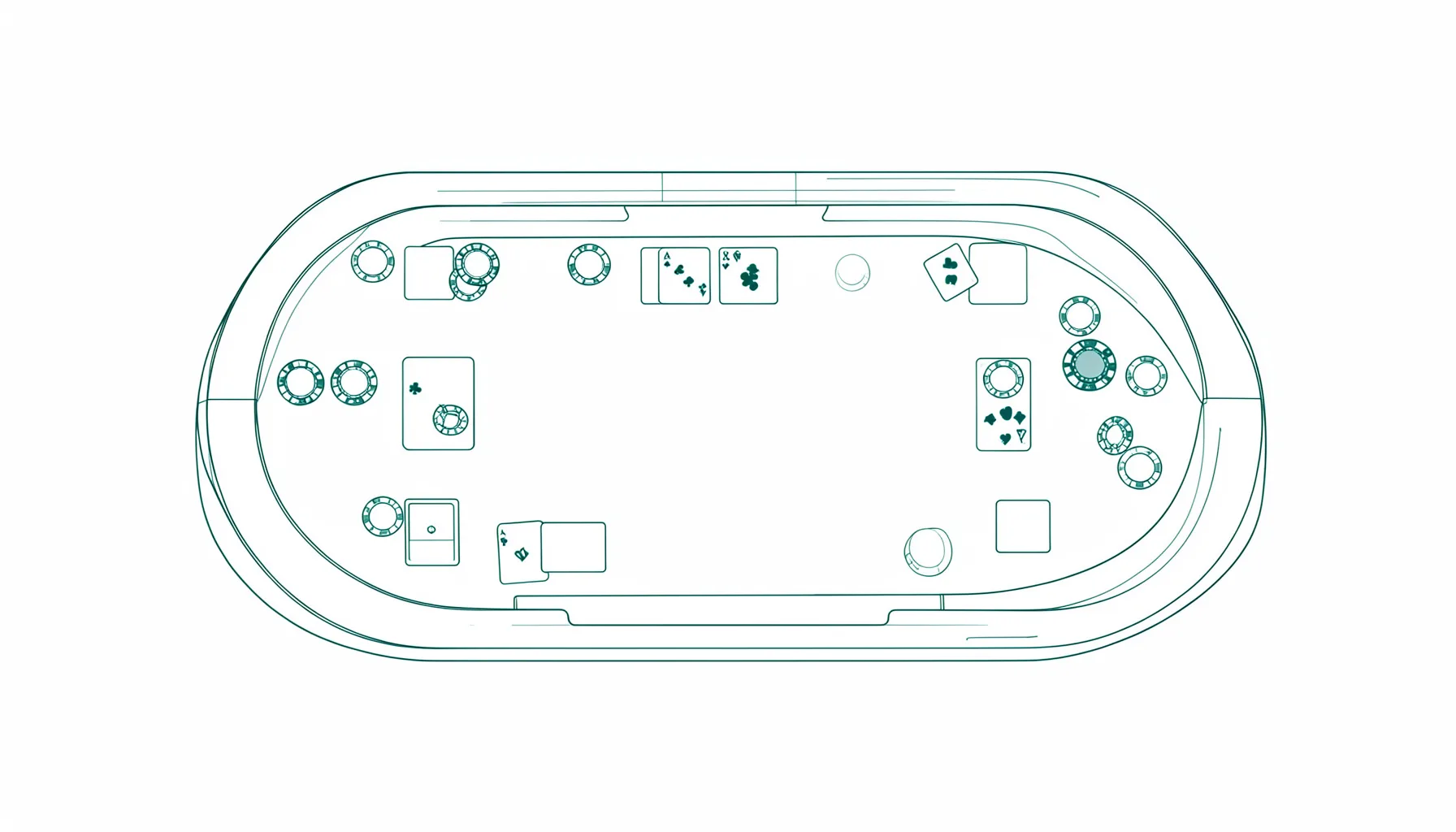
A live blackjack table commonly accommodates five to seven active players, and seven is the most frequent maximum among streamed blackjack products. The exact capacity is set by the studio layout, game variant and software configuration, which is why one lobby may display tables with different seat counts. The clearest indicator is the table interface: it shows which positions are open, occupied, reserved or linked to a special side bet.
For Australian players, a second point matters before any seat count is considered: a live dealer table inside a licensed land-based casino is not the same product as a live casino streamed over the internet. Under Australia’s current framework, real-money online casino games cannot lawfully be offered to residents by local licensed operators, and the Interactive Gambling Act 2001 is administered by the ACMA alongside state and territory regulators. Offshore sites may still target Australians, but local consumer protection does not automatically apply. The following capacity guidance therefore concerns game design generally, not a claim that an offshore live casino is legal or safe to use.
Typical capacity and how the count works
Most studio tables are built around a dealer, assistant, cameras and a fixed row of seats. Seven standard positions are common because the hand-dealing sequence, chip trays and camera angles are designed around that number. Neither the dealer nor the floor assistant is included in the player total. Some formats reduce the table to five or six places, while a small number use additional virtual positions. A “behind the line” or side-bet spot may also appear on screen, but it should not automatically be counted as another seated participant.
The seated-player count and the number of active hands are related but separate. A person who splits their cards is still one player even though two hands are then in play. Likewise, one player can place several separate side wagers without occupying another chair. The maximum number of players means the number of people admitted concurrently to the main betting positions, not the number of individual wagers, hands or virtual chips on the felt. Several people can also rotate through the same position during a long session.
A player waiting out a hand can still occupy a seat, so a busy table may look busier than its seat count suggests. Digital placeholders can remain after someone briefly disconnects, and some tables display spectators or previous participants until the next round clears them. Conversely, a chair at a physical studio may remain unclaimed even when the online table accepts a virtual seat. The live status beside the table is more reliable than the number of names or avatars visible on screen.
Physical seats and digital seats
A physical blackjack table in a casino often accommodates more people because the venue can spread players around a larger semicircle. Australian casinos in Melbourne, Sydney, Brisbane, Perth and Adelaide may offer traditional blackjack with layouts that differ from an online studio. Those seats are governed by the property’s floor plan, table minimums and house rules, so the land-based maximum should never be applied automatically to a streamed game.
In a live online table, physical chairs become digital tokens. A new participant clicks an available position and receives the same dealer, cards and table state as everyone else. When someone leaves, that position can reopen for the next hand, although the software may briefly hold it during settlement. If every position is occupied, the player must wait, choose another table or use an offered side-bet feature. Being able to watch the stream does not equal being seated.
This distinction also explains why subscriber totals can be misleading. A single live blackjack table can stream to hundreds or thousands of viewers while only five to seven people are entitled to act on the main wager. A viewer count reflects audience reach, whereas the seat map reflects current table capacity. Some digital products use extra non-seat betting positions, so the lobby may state a higher “players” figure than the number of standard chairs visible in the studio.
Australian access, licensing and local expectations
Players searching for live blackjack in Australia will encounter a patchwork of local rules and international marketing. Pokies remain a major part of the physical gambling market, especially around neighbourhood venues in Melbourne and Sydney, while casino table games are concentrated in licensed properties and regulated by state bodies such as the Victorian Gambling and Liquor Commission and the NSW Casino Control Authority. Remote live dealer products do not become local land-based casino games merely because a real person is dealing the cards.
Anyone comparing an international casino directory with individual operator pages should verify the jurisdiction, licence holder, age rules, complaint process and stated restrictions independently. A directory can help locate a particular game format, but a listing is not evidence of Australian authorisation or financial security. Offshore operators commonly serve Australian traffic from other jurisdictions, where an Australian customer may receive none of the protections available through a locally regulated venue.
Identification and age checks are another practical part of access. The minimum gambling age is 18 in most Australian states and territories, and casinos normally require photo identification plus verification of age and residency where applicable. Even when a provider accepts an Australian email address or mobile number, that technical success says nothing about legal eligibility. The distinction between “accepted” and “licensed for Australia” is essential, particularly when real money is involved.
Mobile access, studio production and table pace
Live blackjack is well suited to a mobile screen because the main information is a card layout, betting circle and compact control panel rather than a large game world. That convenience matches everyday Australian habits: commuters often check a phone on Melbourne or Sydney trains, players use café breaks in Brisbane and suburban households may rely on home broadband in Perth or Adelaide. A modern phone and a decent connection are usually enough, but visible lag can make a decision feel rushed.
Video quality affects more than appearance. The stream must deliver the dealer’s actions, card results and chip movements with enough precision for players to follow the hand, while the software separately transmits betting controls. Temporary connection loss may pause a table or preserve a seat briefly, depending on the provider. Trying to place a wager using mobile data on a crowded train or a patchy café Wi-Fi network can create more uncertainty than the table itself.
Promotional information should be read with the same care. A mobile casino promotions review may explain deposit conditions, wagering rules and app-specific terms, but a promotion does not guarantee a place at the table or change the maximum seat count. Check whether a reward applies to live blackjack at all, whether it limits time or stake size, and whether leaving a hand can affect the offer. Keep the bonus terms separate from the practical question of when a seat is available.
Practical checklist for choosing a live table
Start with the game rather than the promotional headline. A reputable free spins safety review can help identify whether a reward is genuine, what restrictions apply and how much wagering it requires, but free spins generally belong to slot products rather than live blackjack. A table’s seat map, rule panel, betting window and stated limits provide more useful information for judging a live session.
Players can apply the following checks before committing to a table:
- Confirm the stated player capacity and current number of open seats.
- Check the table minimum, maximum wager and whether side bets change the limits.
- Identify the blackjack rules, including dealer stand, split, double down and blackjack payout.
- Test stream latency and betting controls on the device and network you will use.
- Set a firm time limit, loss limit and pause rule before the first wager.
- Confirm that the operator is lawful for your location and complete age, identity and responsible-gambling checks.
The maximum is therefore not a fixed casino-wide number. It is the seat count published for that specific game and can range from roughly five to seven standard participants, with separate virtual positions adding apparent complexity. Read the lobby and betting panel together, because open-seat indicators, rule variants and extra wagers determine what “maximum players” means in practice.