Understanding Live Baccarat Side Bet Payouts
Live baccarat brings the rhythm of a casino floor into a streamed studio. The dealer deals two hands, the player and banker totals are compared, and chips are settled around a result you selected. Side wagers add another layer: they can win when cards in one or both hands match, or when a designated combination appears. Learning the payout table before staking is therefore more useful than chasing a large number at a glance.
A live baccarat side bet payout is expressed as a profit multiple, and the rules for returning the original stake matter. If A$10 wins at 11:1, the profit is A$110 and the total returned is A$120, including the stake. That distinction is often lost in fast play. Live tables can also vary by studio, so the on-screen rules, not a generic online explainer, should be treated as the final source for a particular game.
How side bets work in live baccarat
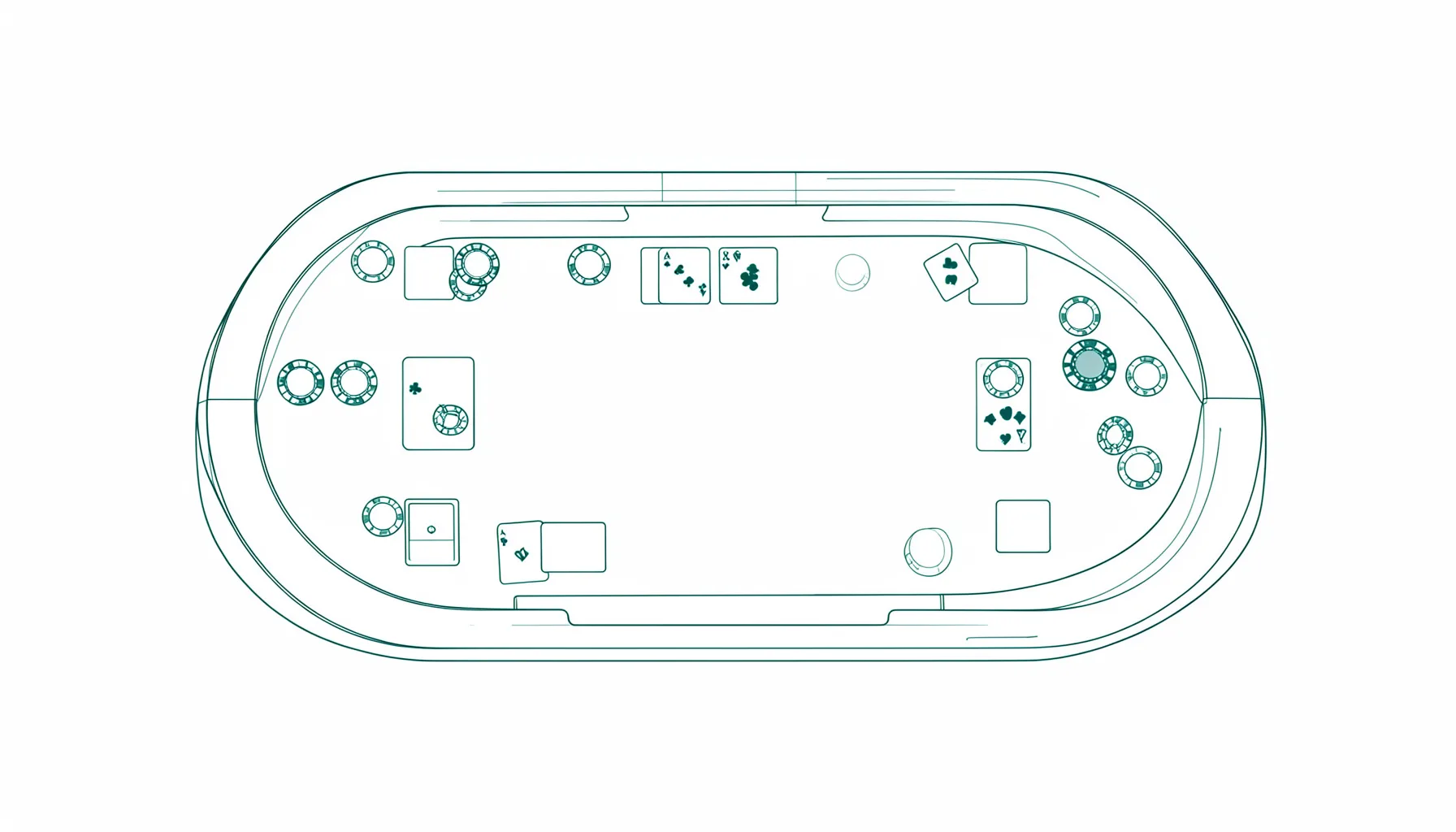
At a live dealer table, the sequence is usually simple: place the main wager and any side bets, watch the dealer deal the opening cards, then allow the extra cards required by the rules. Cameras show the shoe, hands, chip tray, and studio host while graphics identify winning positions. Side bets are resolved separately from the player, banker, or tie result, so a losing main wager does not automatically cancel a successful pair wager.
Common markets include Player Pair, Banker Pair, Either Pair, and Perfect Pair. A standard pair means the first two cards of the named hand have the same rank, such as two queens; a perfect pair also requires the same suit. Some tables add tie, suited, colour, or number markets. Availability, settlement order, and limits are set by the individual studio, and a market may close before the first card is dealt even while other wagers remain open.
Decoding odds and payout tables
Read each quote as profit for every unit staked, then confirm whether the stake is returned. At 11:1, an A$5 wager produces A$55 profit and A$60 total return; at 5:1, it produces A$25 profit and A$30 total return. A tie market might pay 8:1 or 9:1 depending on the table. Multipliers are not percentages: 11:1 is not an 11% return, nor does it mean the bank gives back eleven times the wager at the end of a round.
The payout alone does not reveal whether a bet is favourable. Probability, commission, and house rules determine the expected return. One rough calculation is the house edge: 1 minus the probability of winning multiplied by the total-return multiple. A generous-looking multiplier can still carry a substantial edge if the combination is uncommon. Pair markets are generally more expensive than the main wager because they concentrate on a narrow part of the deal rather than the final hand total.
Before funds move, check how many decks the shoe contains, how the studio defines a pair, and whether the displayed odds include or exclude the stake. The same discipline appears in travel planning: a careful Kathmandu itinerary shows why dividing a demanding route into measured stages beats an exhausting first push. That logic fits live baccarat, where small, clearly bounded commitments leave room to check the interface and verify each settlement.
Comparing main wagers and bonus-style features
The core game provides the clearest benchmark. A Player wager commonly pays 1:1, while a Banker wager usually pays 0.95:1 because of the standard 5% commission. Tie commonly returns 8:1 or 9:1, although this varies. These settlements concern the final totals, not whether the first cards match. Side bets may offer larger-looking multipliers, but they also carry different probabilities, so compare each price rather than assuming a higher payout means a better overall choice.
Player Pair and Banker Pair often pay 11:1, Either Pair commonly pays 5:1, and Perfect Pair can pay 13:1 at certain studios. These figures are examples, not guarantees. A player who wins a Player Pair at 11:1 receives the agreed profit and stake, even if the banker later wins the main hand. Dealers and on-screen hosts may highlight dramatic pair wins, but settlement is determined by the position of the chips and the displayed rules.
Some live studios also use feature rounds or game-show formats built around multipliers rather than a fixed baccarat side-bet schedule. This overview of bonus round payouts explains how those bonus mechanics can change a result. The key comparison is straightforward: a fixed side bet pays according to a published combination, while a bonus feature may depend on choices or a random multiplier. Read the current table because limits, round stages, and payout treatment can differ between shows.
Managing bankroll, pace, and technology
Treat side bets as a defined part of the entertainment budget rather than a strategy for regular income. No progression removes the house edge, and increasing a stake after a loss can turn a small experimental wager into a damaging sequence. A practical guide to live bankroll management can help with setting a cash limit, dividing it into smaller blocks, and recording wins and losses. Decide the maximum amount for the session before watching the first deal.
Live baccarat is fast enough that time limits belong beside loss limits. Use a fixed number of rounds or a 30- to 60-minute break, and step away after reaching either boundary. Record the net result rather than judging success by one hand. Main bets and side bets can create frequent small wins alongside occasional larger losses, so only the session total shows the true outcome. Keep the chosen amount separate from rent, food, transport, or other everyday spending.
For mobile play, use a stable broadband or mobile connection, an updated browser, and enough battery to avoid interruptions during settlement. Many studios support portrait and landscape views, with touch controls for chips and side-bet positions, but layout changes can affect visibility. Wait for the dealer or host to confirm that betting is closed; a late tap during the animation may be rejected. Desktop tables often provide a wider view, while mobile convenience should never come at the cost of rushing.
Australian context and practical choices
For Australian players, legality comes before payout analysis. The Interactive Gambling Act 2001 and state or territory rules apply, while ACMA guidance identifies offshore online casinos as prohibited in Australia. The Australian market includes some locally authorised services alongside numerous offshore brands, so check the relevant regulator and confirm that the operator is permitted before depositing. Use only an 18+ account. An Australian-dollar display does not itself make a site lawful, and the availability of live baccarat in another country says nothing about local authorisation.
Local habits are worth recognising without confusing them with online rules. Many players in Sydney, Melbourne, and Brisbane are familiar with “pokies” in pubs and clubs, but live dealer baccarat uses a different pace, interface, and legal framework. Australian Eastern Time labels can help with table hours and promotional schedules, while AUD stakes make the mathematics easy to follow. Keep play separate from work breaks, sporting events, and social drinking, and use gambling support services if chasing losses becomes difficult.
- Read the current payout table and settlement notes before placing a chip, especially for ties, commission treatment, and perfect pairs.
- Convert every quoted multiplier into profit and total return, then record the maximum session exposure in AUD.
- Keep side wagers inside a small, fixed entertainment budget and never increase the amount to recover a previous loss.
- Set both a time boundary and a session loss cap, then stop when either is reached regardless of the latest result.
- Confirm that the studio and game are legally available to you in Australia and that the account meets the 18+ age requirement.
- Check that the live stream, chip controls, and displayed results remain clear on your device before committing a larger stake.