Live casino vs live game show: the real difference
A live casino and a live game show can share visual clues: a studio, a presenter, a countdown, and a result announced to an audience. The difference lies in the rules. Live casino tables reproduce blackjack, roulette, and baccarat, with players placing wagers against a dealer or the house. A live game show follows a contestant round, challenge, or symbol-based prize game in which a host controls the pace and a fixed prize structure determines what can be won.
Both can feel social because real people react in real time, but “live” does not mean the same thing in each category. A live dealer handles cards, spins a wheel, or reveals results while an interface records bets. A game-show host asks questions, gives instructions, and moves between rounds; contestants or viewers may influence only part of the outcome. This distinction helps identify casino play, broadcast entertainment, or a hybrid product with wagering attached.
The core distinction in play
At a live casino table, the player chooses a wager and receives a return based on the hand, spin, or comparison of cards. Roulette offers a range of betting positions, blackjack adds decisions such as doubling or splitting, and baccarat uses a set of side bets. The dealer applies the rules and the platform handles settlement. A game show centres on completing a round correctly, reaching a target, or stopping at the right moment, so its prize comes from the show's prize ladder rather than a casino betting system.
The categories can overlap, particularly with wheel-based live shows and card-game studios that resemble television sets. One way to classify them is to ask what happens without money. Remove the wagers from roulette and it remains a casino table game; remove a player's prediction from a prize wheel and the round becomes a straightforward contest. If viewers can bet on a contestant's success or a bonus symbol, the product may resemble entertainment while still operating as gambling under Australian rules.
Bonus wording can add confusion. An operator may advertise free spins, but this normally means predetermined spins on a digital slot rather than live blackjack, roulette, or baccarat. A provider's free spins review can clarify wagering conditions, eligible games, and withdrawal rules before those offers are compared with live-table promotions. Live tables more often use deposit matches, cashback, or table-specific bonuses, which require separate checks.
How a live casino table works
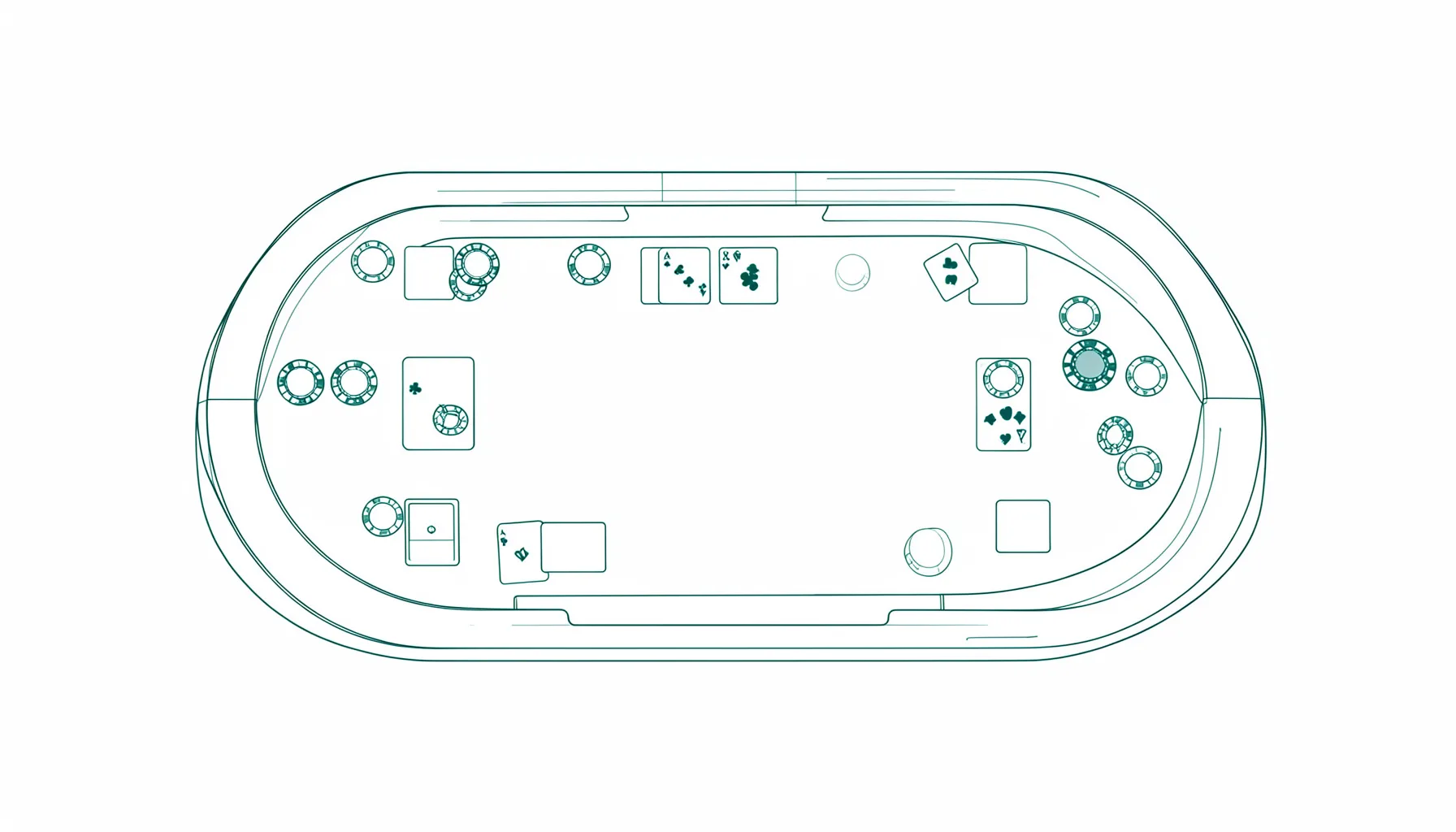
A typical live dealer stream combines cameras, a physical table, a dealer, and a digital betting layer. Cards or balls are handled in view, while chips become account balances and wagers appear as on-screen buttons. The dealer does not decide a random result: a certified random number generator drives many online live games, and the studio display must reflect that result consistently. For roulette, a physical wheel and ball may be shown while a synced RNG determines the winning slot; card games reveal shuffled cards that supply the hand.
Dealer interaction is part of the experience, but it is generally limited to welcoming players, calling the game, confirming bets, and handling exceptions. In blackjack, a chat box may carry a greeting or a side-bet request; it is not a place to negotiate the rules. Australian players often value the measured pace, although a fast table can make blackjack decisions feel sharper and roulette simply require patience. The local comparison is a NSW or Victorian pub-club: poker machines offer quick individual rounds, while a dealer-led table has a clearer rhythm and more visible ceremony.
Stakes and pacing vary widely. Some streams display minimum bets in Australian dollars, while higher-limit tables can move quickly and invite repeated decisions. Baccarat produces frequent rounds, roulette stretches through betting phases, and blackjack pauses for every decision. A newcomer who is “chucking a few dollars” may prefer lower volatility and a slower game. Showing a limit in cents can make it look more accessible, so the actual dollar value and total exposure should still be checked.
Where live game shows differ
Game shows rely more heavily on personality, narrative, and timed spectacle. A presenter may build suspense, explain a multiplier, invite contestants to choose, and announce a prize after a reveal. Live versions add audience participation through chat, polls, or prediction buttons, but the host remains the centre. The experience can resemble an evening television program with a studio audience rather than the focused repetition of a casino betting round.
Some live game shows sit between the two categories. A wheel might be spun by a dealer, but players predict where it will stop and receive fixed payouts; a card presenter might conduct a short challenge where one outcome beats another. These hybrids borrow the energy of television while retaining the maths of a casino product. The crucial point is that an entertainment-style host does not change how the result is generated or how a wager is settled.
Symbols and rituals help sell the illusion of control. A light reference to lucky cilantro traditions shows how an ordinary object can acquire a place in lottery and horoscope folklore without affecting a draw. Live shows may use mascots, colours, sounds, or “good luck” messages for the same effect. The atmosphere can be enjoyable, but a host's reaction, a lucky charm, or dramatic animation has no bearing on a fair random outcome.
Studio production and technical demands
Production quality affects how easily a player follows the action, but polish should not be confused with integrity. A dependable setup uses redundant cameras, a stable dealer feed, synchronised game data, and an auditable random process. The overlay shows whose turn it is, the current bet, the winning position, and any settlement rules. In a busy live show, several elements can run at once: a timer, question, multiplier, player predictions, and prize graphics. Knowing which element controls the payout stops the spectacle from hiding the terms.
Mobile access makes both formats convenient for Australian players, who may play during a commute or while watching at home. A modern phone, tablet, laptop, or desktop can usually run an HTML5 stream, while some operators offer dedicated apps. The practical needs are stable broadband or 4G/5G, enough data for continuous video, and a device that maintains audio and touch response. Public venue wi-fi can fluctuate, and a weak connection may delay bets or cause missed decisions, so a charged handset and headphones can matter more than a sharper television picture.
Choosing the format that suits you
Choosing between the categories starts with the attention a session demands. A live casino table suits someone who wants a repeatable wager, visible odds, and control over stake size. A game show suits someone who enjoys presenter-led rounds, quick entertainment, and a clear prize ladder. Hybrids can look easy to enter, yet their side bets may use unfamiliar rules. Learn the settlement screen and paytable before selecting the stream with the biggest apparent prize.
Session length also depends on local scheduling. Continuous tables can fit around a break at home or a late night after work. Host-led shows may follow fixed broadcast times, and those times differ across Sydney, Melbourne, Brisbane, Adelaide, and Perth because of Australian time zones. Checking the displayed schedule before settling in with a drink or making a deposit prevents a missed round. Setting a cash limit and taking regular breaks preserves the relaxed “give it a go” approach without turning a game into open-ended spending.
For players in Australia, legality comes before entertainment preferences. The Interactive Gambling Act 2001 and state or territory rules shape the domestic market, and access to unauthorised offshore online casinos is restricted. Any legal local casino product, authorised operator, or properly classified social casino must be identified by its status rather than promotional claims alone. The practical distinction is clear: casino tables settle wagers against published odds, game shows build towards predetermined prizes, and hybrids do both. The final choice comes down to preferred pace, trust in the rules, and how much attention the player wants to give the studio.