How live casino game shows integrate wheel spins and dice rolls
Live casino game shows combine the atmosphere of a television studio with real-money betting. A host or dealer runs each round from a streamed set, while players wager on numbers, colours, totals or bonus features. The appeal of wheel spins and dice rolls comes from seeing the result unfold in real time rather than waiting for a slot-style reel to stop.
Beneath the graphics, every round needs a dependable random outcome and a clear payout path. Some studios use a physical money wheel, dice tray or electronic sensor; others render the wheel and dice digitally from a random number generator. The distinction matters because animation can amplify suspense, while it does not predict the result or change the published odds.
Australian players should also account for local licensing, age and harm-minimisation rules before depositing. A polished interface does not make a game easy to win, and a familiar pattern on screen can still produce an independent next result.
The basic architecture of a live round
Most formats follow a straightforward sequence. Players choose a stake and place bets while a betting timer runs, the dealer closes the wagers and activates the randomiser, and the result is displayed before winnings are credited. A new round then begins, often with the same dealer and studio team.
The betting panel is the control centre. It may cover numbered wheel positions, dice combinations, high and low totals, or bonus-game choices. Each position has its own payout and house edge, so a large-looking multiplier can coexist with lower-priced base bets.
Two outcome systems are common. In physical studios, cameras and sensors identify the stopped wheel or exposed dice faces. In virtual formats, a random number generator supplies the result and animation reproduces it. Hybrid titles can combine both, using a real wheel to select a digital bonus round.
What a wheel spin actually determines
A wheel wager normally names a segment or group of segments. The dealer starts the spin after betting closes, and a sensor or visible pointer establishes the winning position. Depending on the title, that might be a number, a colour, a multiplier, or a bonus symbol such as a cash hunt or coin flip.
If a multiplier segment wins, it usually applies only to eligible base wagers that also won their own bet. It does not automatically pay every position on the table. That detail explains why a round can feel exciting while producing a modest return on the stake.
The sequence of colours or numbers has no predictive value. A long run of reds does not make black “due”, and a multiplier appearing twice does not improve the next spin. Each result should be treated as an independent event with the same house edge shown in the rules.
How dice rolls reshape the betting picture
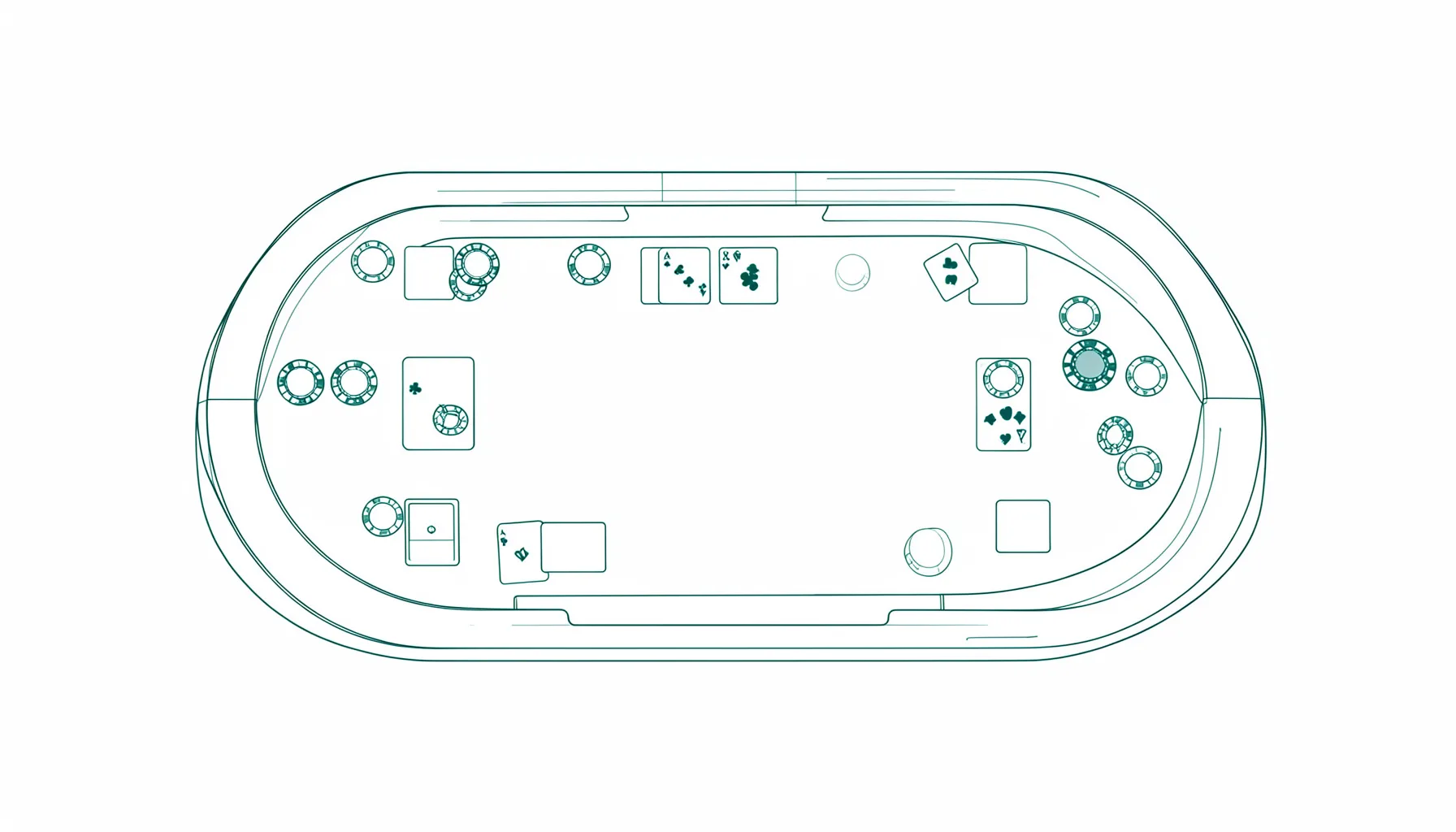
Dice rounds replace wheel positions with numbers and combinations. Three dice may be offered in titles based on sic bo, with bets on totals, odd or even results, doubles, triples, or a specific combination. A wager on a total and a wager on the exact faces are different contracts, even when they come from the same roll.
The dice are usually shaken, revealed and read in sequence. Physical studios use a tray or shaker and may show the result from several angles; digital versions simulate the throw while a random number generator chooses each face. Payout tables determine how rare outcomes are compensated, including any rules that exclude triples from high or low bets.
The same separation between result and presentation appears in live draw mechanics, where a number sequence is generated and then displayed. That comparison is useful because a convincing animation may contain no additional decision-making skill beyond choosing a wager with acceptable odds.
Why bonus rounds create extra layers
A bonus feature is often a second decision after the main wager resolves. A wheel can land on a bonus symbol, or a dice result can qualify for a special payout. The dealer then opens a separate mini-game with its own target, multiplier or prize reveal, producing two linked moments instead of one simple result.
Crazy Time is a familiar example of this structure: its main wheel can select Cash Hunt, Pachinko, Coin Flip or Crazy Time, each with a different bonus animation. Monopoly Live also layers a money wheel with themed bonus features. The precise sequence depends on the provider, so players should check the current rules rather than assume every branded show uses the same wheel.
Bonus entertainment does not alter the mathematics of the base bet. A player can still lose the original stake, win a small predetermined return or trigger a multiplied award. The visual drama describes the process; the pay table determines what each event is worth.
Dealer interaction and the pace of play
The live dealer provides timing and orientation, not hidden influence over a fair result. Hosts explain when betting opens and closes, confirm the outcome and keep the conversation moving. Chat can make the session social, but a presenter’s reaction, hint or response to a previous round should never be treated as a signal.
A basic wheel round may take less than a minute, while dice reveals and bonus animations can extend a session considerably. Multi-round formats encourage a different rhythm from traditional table games: the stake is usually committed to each round, then a fresh decision follows after the result.
Mobile users face a specific risk here. Walking, train noise or a weak connection can make a late tap look accepted when it was not registered. Waiting for the next round is safer than sending an unsettled wager while distracted, and changing stake levels during a result can quickly exceed a planned limit.
Practical checks for choosing and joining a session
Newcomers should learn the rules before studying patterns. Titles differ in how a multiplier applies, how combinations pay and whether a bonus changes the base wager. Readers comparing free-play casino options can use practice modes to inspect the interface, timer and controls without risking a cash balance.
Useful game-selection signals include:
- A published pay table that is easy to locate and read.
- A betting timer long enough to confirm a stake.
- Clear rules for multiplier and bonus-round outcomes.
- A dealer pace suited to the player’s concentration.
Mobile compatibility depends on more than a correct screen size. The site should load cleanly in a current browser, preserve a stable stream and accept wagers with little delay. Portrait mode may favour chat and betting panels, while landscape can provide a clearer view of the studio wheel or dice result.
A simple pre-session check can prevent common interruptions:
- Use a stable broadband, 4G or 5G connection.
- Close downloads and streaming applications that consume bandwidth.
- Confirm that deposits are shown in Australian dollars.
- Set a deposit and session reminder before the first wager.
Playing responsibly within Australia
Online casino access is governed by state and territory rules, plus the federal Interactive Gambling Act 2001. The Australian Communications and Media Authority can block prohibited offshore gambling services, while authorised operators must meet the requirements of the jurisdiction concerned. Availability and account rules therefore differ between states, and a site accepting an Australian IP address is not proof that it is locally authorised.
Local habits are worth recognising without overgeneralising. Many players in Sydney, Melbourne, Brisbane and Perth open a live game show after work or at the weekend, often on a phone. Poker-machine clubs and pubs in Victoria also provide a familiar social setting for chance-based entertainment, although an online session and a local gaming venue operate under different rules. AUD is commonly used, but support for PayID, e-wallets or cards varies by operator.
All participants must be at least 18, and Australian gambling advertising rules require prescribed harm-minimisation warnings. Deposit limits, reality checks and self-exclusion tools can turn a long session into a controlled one. No wheel sequence, dice total or bonus animation makes chasing a loss rational, so every stake should remain within a pre-set amount and the session should end when that boundary is reached.