How to Recognise a Professional Live Casino Dealer
A professional live casino dealer does more than operate blackjack, roulette, baccarat or a game-show format. The dealer manages the flow of the table, communicates every stage clearly and handles both routine decisions and unexpected problems. Their manner can reveal years of studio experience, although polished presentation alone is never enough to judge competence.
Recognising a skilled dealer means looking for consistent behaviour rather than relying on charm, a formal uniform or confident speech. Players should also separate the dealer’s performance from the quality of the platform, internet connection and published game rules. Those distinctions are particularly useful in Australia, where live studios operate around the clock for players in different cities and under several regulatory systems.
Knowledge you can see at the table
A qualified dealer knows the standard rules, available bets, side-bet conditions, payouts and edge cases of each game. In blackjack, that includes splitting, doubling down and unusual combinations such as player and dealer blackjack. In baccarat, it means understanding third-card drawing conditions without hesitation. In roulette, it requires knowing how chips are placed and settled.
Knowledge also appears in explanation. A professional should be able to describe why a wager has closed, how a result is produced and what happens if the system needs to reverse a decision. They should not claim that a particular sequence is “due”, suggest that a side bet protects a player or promise that a loss can be recovered. A random game gives no dealer control over its outcome.
Conversely, a fluent speaker may still misunderstand a rule or misread a table. The strongest evidence is accuracy across many rounds, especially when dealing with unfamiliar situations. Players can ask for clarification through the table interface and compare the dealer’s explanation with the rules displayed on screen.
Calm, respectful table presence
Professional dealers create a controlled atmosphere without making the session feel authoritarian. They greet players, acknowledge wins and losses appropriately, and avoid singling out one participant for ridicule or special praise. Their tone remains consistent whether a bet succeeds, a timer expires or another player asks a basic question.
Good dealers do not pressure players to increase stakes or hurry them into a side bet. They explain table limits when appropriate and treat limit requests or breaks in play according to the operator’s policy. This restraint matters because a live dealer is both a rules administrator and the public face of the gaming studio.
Players wanting background on the wider live format can consult material on live casino entertainment for additional context. Such information is useful, but the studio’s own rules and the account terms should remain the authority during a session. A dealer cannot override those terms simply because another player or host gives different advice.
Consistent rules and transparent procedures
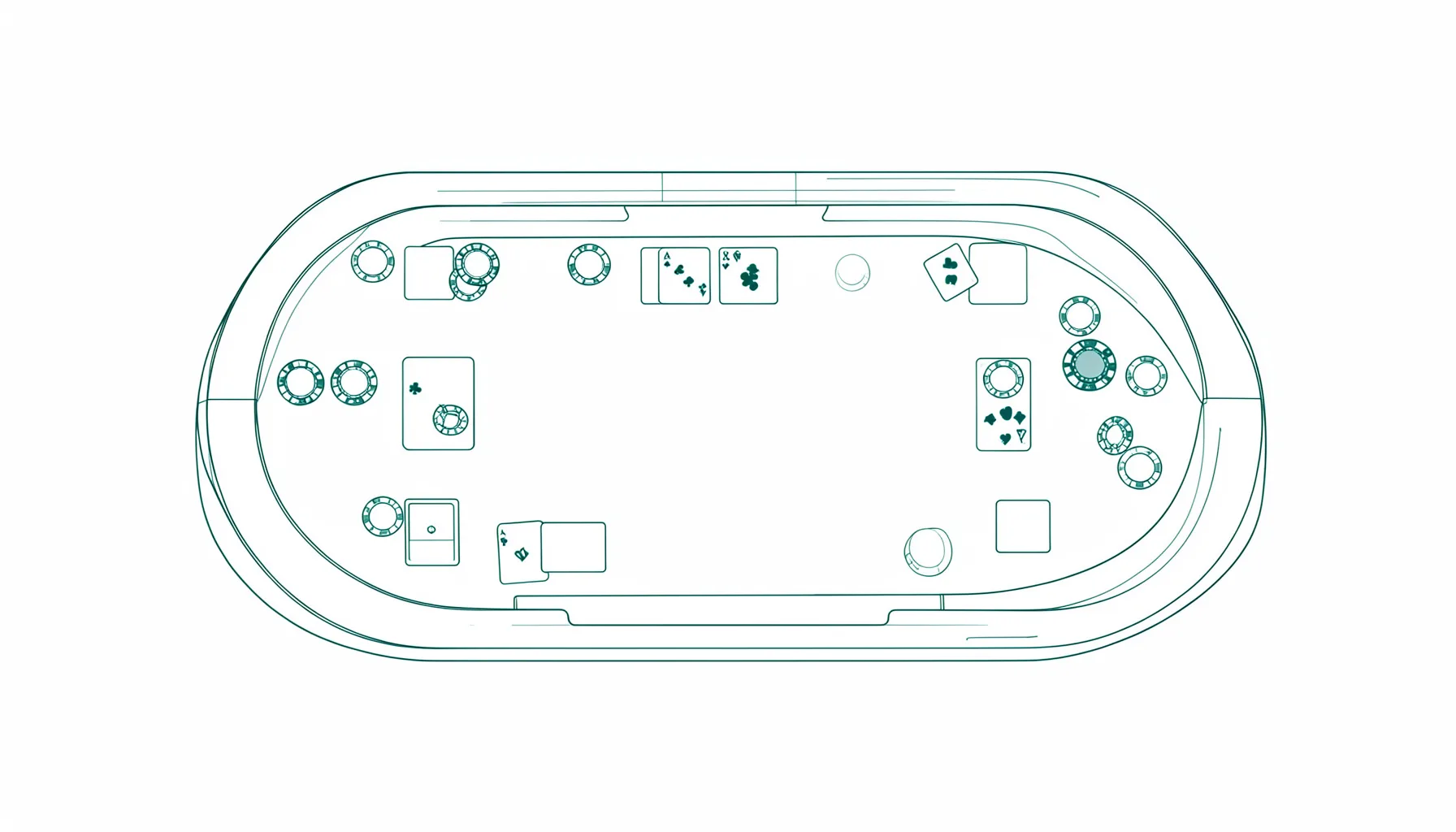
Every game has a visible sequence: accepting bets, withdrawing them, generating the result, announcing it and settling balances. A professional dealer follows that sequence consistently. In roulette, bets should close before the wheel spins. In blackjack, cards should be exposed and collected in an orderly way. In baccarat, cards should be revealed according to the prescribed procedure rather than passed around casually.
Consistency also provides a safeguard against confusion. The dealer should pause at the appropriate point if a result needs checking, ask for a supervisor when necessary and explain any correction to everyone at the table. Errors can occur in fast-paced studios, but a transparent response is more credible than pretending nothing happened.
Players can judge transparency by watching whether bets and payouts match the interface. If the dealer’s announcement, the on-screen result and the balance change disagree, the event should be documented and referred to customer support. Professional conduct does not mean an error will never happen; it means the error is handled openly and according to a clear process.
Studio production and technical control
A convincing live table depends on more than the person behind the cards or wheel. Good lighting, clear camera angles, properly positioned microphones and stable overlays make it possible to follow the action. The feed should keep the dealer, cards, chips and result displays in view without frequent cuts that make the procedure harder to understand.
Technical problems can imitate poor dealer work. Delayed audio may make it seem as though the dealer ignored a player, while a low frame rate can cause cards or chips to appear out of sequence. Before blaming the dealer, checking internet latency can help determine whether pauses are caused by the connection rather than the studio.
Equipment should also remain visibly separate from the random result. In roulette, the wheel and ball must operate without unexplained intervention. In card games, the shoe, discard tray and shuffling process should follow the published procedure. A professional dealer treats the apparatus as part of the game’s integrity, not as an opportunity to guide a result.
Pacing, bet windows and responsible decisions
Live tables often move more quickly than online versions of the same games. A blackjack decision window may be short, roulette wagers close immediately before the spin, and baccarat betting phases can advance on a set schedule. The dealer should announce these stages clearly and maintain the expected pace without making players feel rushed.
An explanation of bet time limits can clarify why a platform closes wagers automatically. A timer is normally part of game management rather than a sign that the dealer is impatient. If the studio consistently closes bets early, however, the operator’s published timing should be checked against what players actually observe.
Pace is not the same as aggression. A professional dealer remains patient when a player needs a rule repeated or a payment checked. They also avoid encouraging continued play after a customer has reached a session or spending limit. The best control is a table where informed choices remain possible throughout the announced betting window.
Local rules and practical player checks
Australia’s local market combines internationally operated live studios with state and territory gambling authorities. The Interactive Gambling Act 2001 and associated federal rules affect certain interactive gambling services offered to Australians, while onshore gaming is licensed and regulated locally. An Australian-facing site should state its terms clearly and make age and jurisdiction checks easy to understand.
The legal gambling age is 18 in most Australian states and territories, while Tasmania uses 21. Players should also check whether a service accepts customers from their location and which external dispute, licensing or self-exclusion options apply. ACMA and state gaming bodies provide information and warning tools that can help someone verify an operator or find support.
Practical habits matter as well. Live tables may run through the night for customers in Sydney, Melbourne or Brisbane, although those cities do not all share the same time zone. AUD limits, local banking preferences and mobile access are common features of the Australian-facing market. Playing during a train journey or café break makes connection quality especially important; a stable network and a private screen are more suitable than an unstable public connection.
Ultimately, the most trustworthy dealer combines accurate rules, calm conduct and transparent handling with a properly produced studio. Players should assess all three elements, read the published terms and use available limit controls. Appearance and personality are useful supporting clues, but consistent procedure and verifiable integrity are much stronger indicators of professionalism.