How multiple camera views shape live casino play
The impact of multiple camera views on your live gambling experience is mainly about clarity, attention and perceived authenticity. A wide shot can establish the dealer, betting layout and chip stacks, while tighter angles isolate cards, a roulette wheel or a baccarat shoe. The technology can make rules easier to follow, although it cannot alter the odds.
For Australian players, live tables often arrive on a phone or laptop while travelling through Sydney or Melbourne, rather than at a physical casino. Useful details include whether the platform supports angle switching, how quickly it recovers after a connection drop, and whether stakes are clearly shown in Australian dollars. Camera count matters less than whether each view suits the game and your device.
What multiple cameras reveal at the table
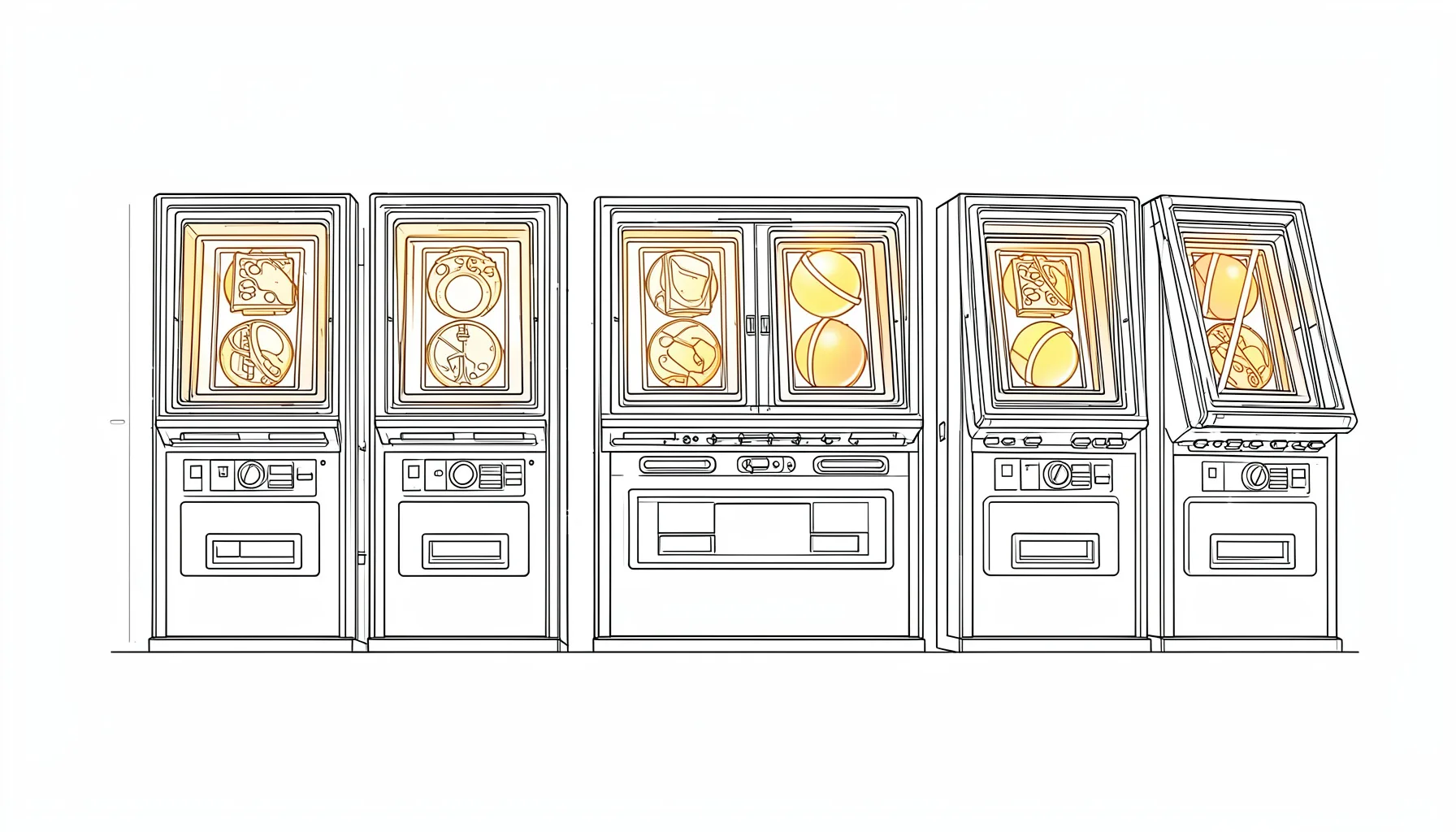
A multi-camera live table usually combines a wide table shot with tighter views of the dealer, cards, wheel or chip area. Most platforms stream one selected angle at a time, so multiple cameras describes the studio setup rather than extra screens available to every player.
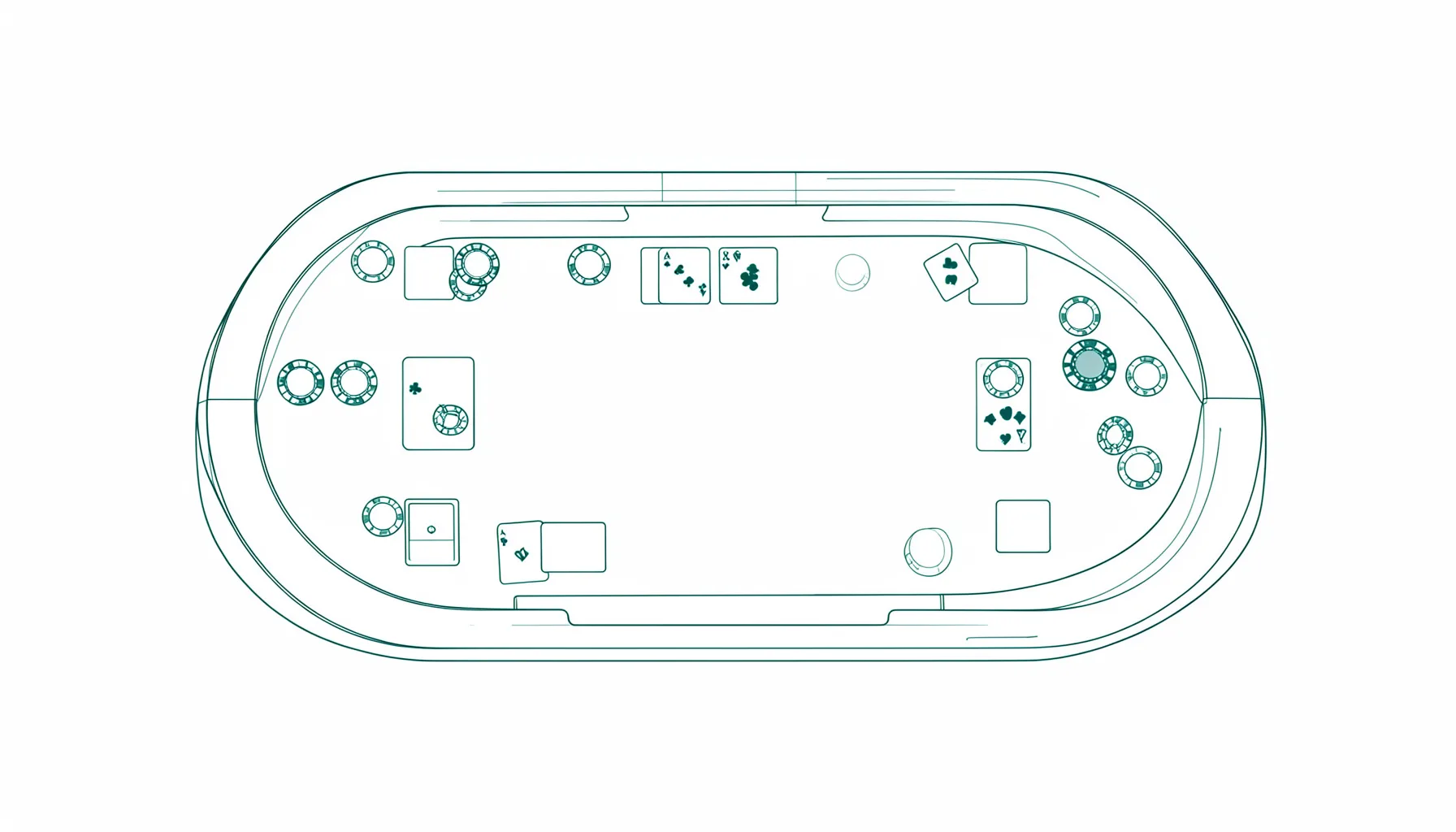
An overhead view helps confirm where the ball landed and how chips are distributed around a roulette layout. A close-up of the shoe provides useful evidence of the card sequence, while a player-side shot preserves the social geometry of the table.
These views can strengthen confidence because key actions remain visible, yet they also shape attention. A poorly timed cut may hide a card or chip placement, and an attractive angle cannot prove that a game was fair beyond what the interface and rules reveal.
Game-specific benefits and possible drawbacks
For blackjack, often called 21 in Australian casinos, a close view of the dealing area can reduce uncertainty about the exposed card and the dealer’s hand. It also lets a newcomer track split, double or insurance decisions without relying solely on the dealer’s spoken explanation.
Roulette benefits from an overhead wheel shot because wheel direction, ball position and table coverage matter. The wide view still matters for placing bets, so switching between angles can help a player understand the layout before committing a stake.
Baccarat is compact, with cards, discard piles and a shoe sharing one small field of view. A well-placed close-up may improve result confirmation, while excessive switching can interrupt the quick rhythm of each hand and make the betting choices harder to follow.
Human interaction and dealer psychology
A discussion of human dealer psychology highlights how a real person can make a studio table feel more responsive than an automated game. Eye contact, spoken welcomes and measured pauses provide social cues, while the dealer’s visible reactions make the pace of play easier to anticipate.
Camera placement affects that interaction. A dealer-facing view supports eye contact and makes chat exchanges feel natural; a distant overhead angle reduces personal presence and can make a player interaction feel one-sided. Audio quality and brief delays between dealer and player microphones remain important in either case.
Dealer behaviour also influences perceived control. A confident pause before revealing a result may heighten suspense, and a prompt correction can reassure a player that the outcome is genuine. Cameras magnify these cues, but they do not make a biased rule set or a predictable game more favourable.
Studio production and visual trust
Broadcast-style multicamera studio techniques can give a live table the polish of a television set. Wide compositions establish the game, close shots cover the shoe or wheel, and clean overlays display results, timers, betting windows and limits.
Editing can clarify the action by cutting to the relevant object at the right moment. It can also add tension by withholding the final image, then slowing the pace around a decisive hand. That choice may feel cinematic, although some players prefer an uninterrupted dealer view for a calmer rhythm.
Visual trust depends on more than image quality. The table rules, chip denominations, win announcements and connection indicator should be legible, and the camera should not conceal an inconvenient result. Professional lighting and framing can improve clarity, but readable information is more valuable than decorative production.
Mobile access across Australian conditions
Australia’s major cities make mobile live tables convenient during a commute, particularly for players moving between Sydney, Melbourne, Brisbane or Perth. Strong 5G and fixed-line home connections generally support high-definition video, yet tunnels, peak-hour congestion and switching between mobile and Wi-Fi can interrupt even a well-produced feed.
Time zones affect the studio schedule as well as the image. A convenient Australian evening may coincide with an Asian or European shift, and Perth players may see different table availability from those in Sydney or Brisbane. Studios that operate around the clock can provide more choice, but their coverage windows may change during Australian daylight-saving time.
Device orientation matters too. A player-facing view can become cramped in portrait mode, while a wide landscape display uses more of the table area and may reduce eye strain. Data use also rises with sustained high-definition viewing, so lower-resolution settings can preserve stability without removing the essential card, wheel or chip view.
Camera choices for better decisions
Multiple angles offer control over what receives attention, but constant switching can create cognitive load. Players may spend more energy tracking the feed than evaluating the wager, particularly in fast baccarat rounds or when roulette betting windows are short. A consistent view can therefore support better decisions.
The following choices match common camera views to practical goals:
- Use the wide angle to learn the betting layout, confirm limits and follow the overall pace before the round begins.
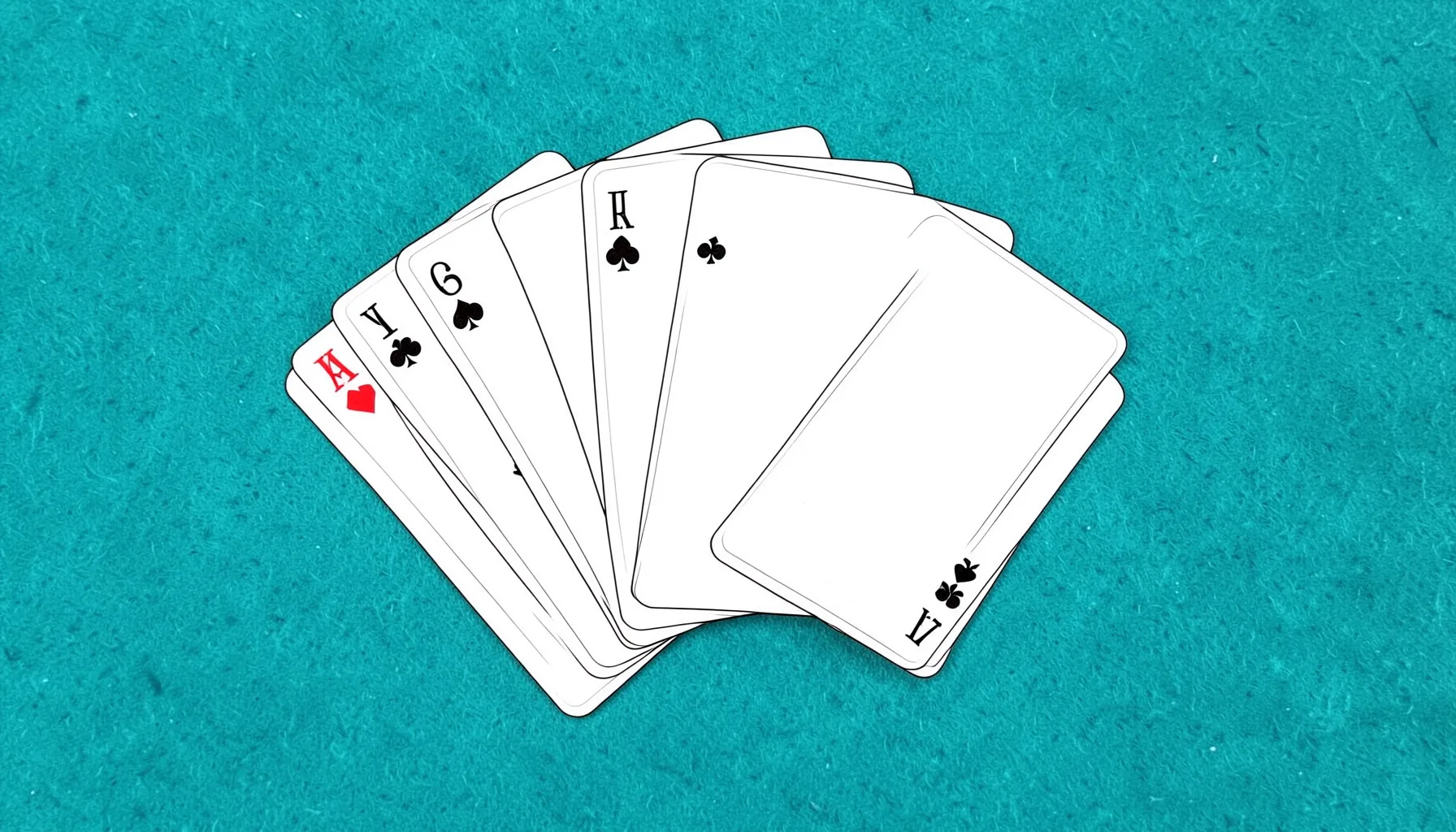
- Choose a card close-up for blackjack and baccarat when you need to verify exposed cards, totals or the shoe sequence.
- Use the overhead roulette view to track the ball and table coverage, then return to the wide angle before betting closes.
- Keep the dealer-facing shot when human interaction, table rules and a steady social rhythm matter more than close visual detail.
- Test angle changes on your own phone and connection before a session, since switching may briefly interrupt the stream.
The best setup is often the one you can read without effort. If a chosen angle delays a decision, makes a result ambiguous or increases distraction, the main dealer view may be more useful than every available feed.
Perspective, safety and stream authenticity
A convincing production is not proof that a feed is genuine. Repeated dealer behaviour, plausible studio branding and smooth graphics may also appear in a simulated game, so players can verify stream authenticity by checking dealer consistency, timing, disclosed rules and independent stream behaviour before depositing.
Local safeguards also apply. Australians must be at least 18 to gamble, and state and territory regulators differ on the operation and promotion of gambling services. Using a locally licensed provider, checking the displayed AUD stake and limits, and reading account controls before play are basic parts of informed participation.
Camera choice can improve understanding, but it cannot replace a bankroll limit or a decision to stop after a preset loss. New South Wales and Victorian players can use services such as PlaySafe and Gambling Help, while other states provide their own support pathways. The strongest control remains the same across every camera view: knowing the amount at risk before each round.