Difference Between Classic Blackjack and Infinite Blackjack
Live dealer blackjack combines the decision-making of online play with a human dealer managing the round from a casino studio. The main difference between live dealer classic blackjack and Infinite Blackjack is not the aim of the game; it is the card system, pacing, and presentation. One format follows a familiar shoe-based rhythm, while the other uses a continuously refreshed digital deck to keep action moving.
Both versions let players hit, stand, double, split, and make insurance decisions, and both commonly pay 3:2 for a natural blackjack. Australian players may recognise that rhythm from blackjack at land-based venues in Sydney, Melbourne, and Brisbane, although online access, permitted operators, and responsible-gambling rules differ by state. Western Australia has particularly strict restrictions, so checking local requirements is essential before staking any money.
How the two blackjack formats work
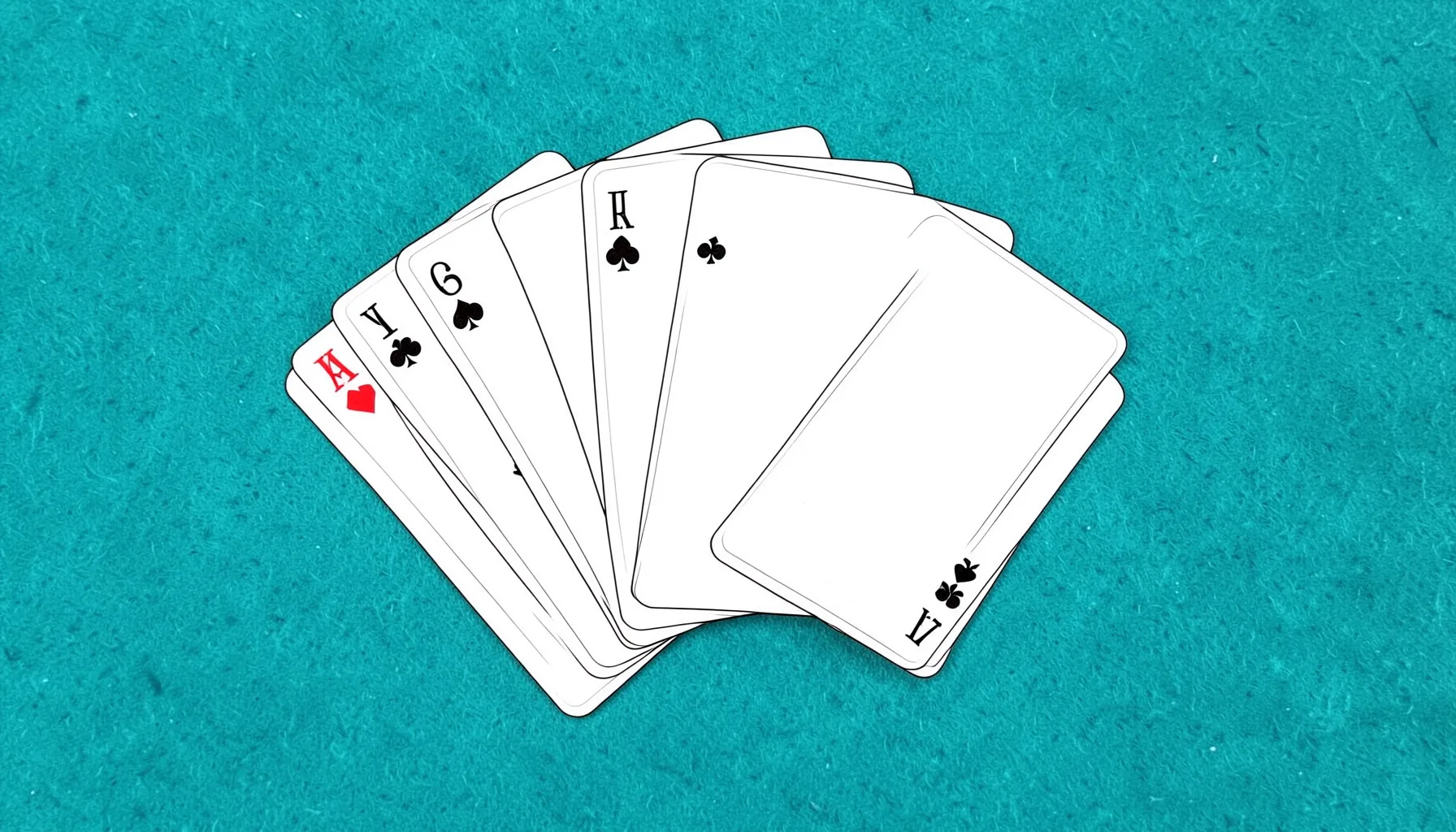
Classic live blackjack uses real cards dealt from a finite shoe, usually several standard decks shuffled and dealt over a sequence of rounds. A cut card eventually marks the end of the shoe, after which the studio pauses or changes it. The dealer physically handles cards, and cameras let players follow each deal, reveal, and settlement.
Infinite Blackjack is a specific live game design built around a continuously replenished digital shoe rather than a physical shoe waiting to run out. Cards are generated by a certified random process and displayed on the game interface. A live dealer or game host still controls the pace and communicates outcomes, so the experience remains social even though the card sequence is virtual.
That distinction changes the feel of a session. Classic blackjack emphasises the unfolding of a finite pack and the occasional shuffle break. Infinite Blackjack reduces pauses and keeps more hands per hour, making it convenient for shorter mobile sessions. The extra speed does not change the core objective: beat the dealer without exceeding 21 while protecting the bankroll.
Cards, shuffling, and round speed
In classic blackjack, randomness comes from the shuffle and the order of cards in the shoe. Because earlier cards can be tracked in broad terms, a visible count may influence how a disciplined player chooses bet sizes, although counting is not a guaranteed profit. Infinite Blackjack reshuffles the digital feed continuously, removing the visible shoe composition and much of the reason to track it.
Betting windows are another practical difference. A standard round can move briskly once betting closes, while Infinite Blackjack generally offers a longer window—often around 50 seconds, depending on the implementation. This gives deliberating players more time but may also encourage rapid betting. A stable broadband connection, modern browser, and low-latency mobile or Wi-Fi setup help prevent an interrupted decision.
Players comparing more of the lobby can browse other live casino games to see how blackjack sits among roulette, baccarat, and game-show products. Availability changes over time, so the provider’s current rules screen remains more authoritative than an old review. It also helps to check whether the interface supports portrait mobile play or is better suited to a wider screen.
Dealer interaction and production
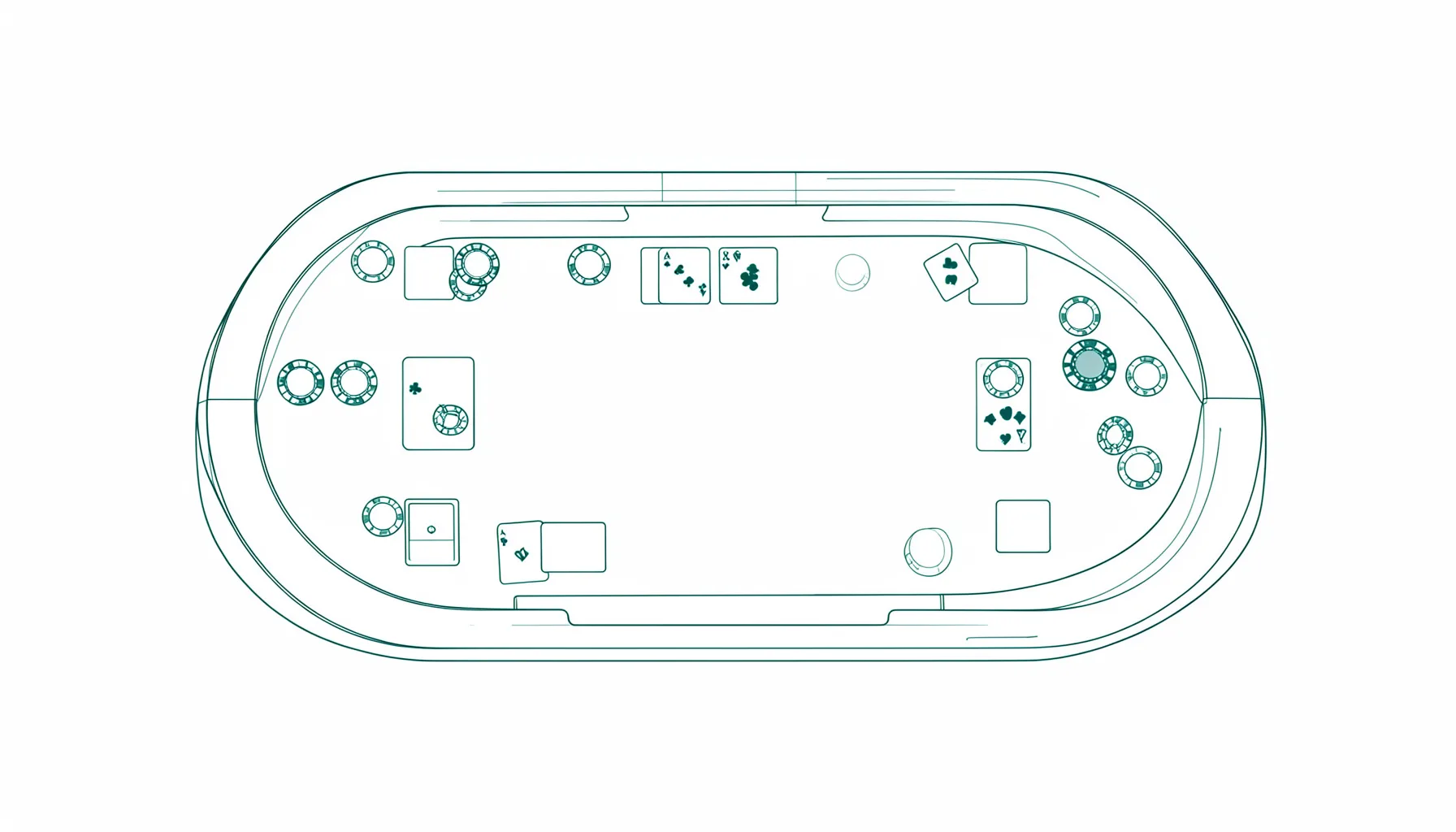
A classic production relies on multiple camera angles: an overhead view of the dealing area, a close view of the dealer, and often a graphic feed for bet placement. Infinite Blackjack retains the live host and studio atmosphere but replaces some physical card handling with on-screen reveals. The result can feel cleaner and more compact because there is no need to follow every physical card from a shoe.
A broader view of live dealer production adds useful context for how presentation, cameras, and hosts shape a streamed casino game. Dealers still manage conversation, pace, and occasional game explanations, but the visual experience may differ substantially between providers. Audio controls, captions, and clear bet confirmations are useful accessibility and pacing features.
Mobile use is especially relevant in Australia, where players may open a session during a commute in Sydney or on a home connection in Melbourne rather than sit at a casino. Portrait layouts, touch-friendly controls, and quick resumption matter more than desktop polish. If a train or patchy mobile coverage introduces lag, waiting until the connection stabilises is wiser than rushing a split or double decision.
Payouts, odds, and decision points
Basic strategy remains nearly identical because the target and available actions are the same. A player still chooses whether to hit on 16, stand on 17, split pairs, and accept or decline insurance according to the dealer’s up-card and the published rules. The live presentation can add pressure through chat and fast pacing, so sticking to a fixed decision chart is more reliable than reacting emotionally.
Payouts need careful reading. A 3:2 natural is stronger than the 6:5 payout found in some promotional or venue variants, and short blackjack rules can materially affect expected returns. Side bets such as Pair, 21+3, and insurance create separate wagering choices; they may offer larger-looking prizes while carrying higher house edges. The base-game return to player is often near the high-90s, but rules, side bets, and commission structures can shift it.
For Australian users, the relevant comparison is therefore not just the RTP badge. Check A$ betting limits, the exact blackjack payout, available side bets, and whether a session pauses for a shuffle. A responsible bankroll limit matters just as much: pub pokies are culturally familiar in places such as Melbourne and Victorian regional towns, but blackjack decisions reward slower discipline than many one-spin or one-tap machines.
A practical choice for Australian players
The better format depends on priorities. Classic blackjack suits players who enjoy seeing physical cards, following a shoe, and accepting a slower rhythm. Infinite Blackjack suits players who want frequent decisions, clearer continuity, and a mobile-friendly pace. Neither removes the house edge, and a fast interface should never be mistaken for better odds.
A useful selection checklist covers the following:
- Choose classic blackjack when watching real card handling and a finite shoe adds to the entertainment.
- Choose Infinite Blackjack when quick rounds, reduced shuffle downtime, and a steady digital deck suit your play style.
- Compare the same rules in both formats, especially the natural payout and the dealer’s rule on soft 17.
- Read A$ minimum and maximum stakes before joining, then use limits you can afford within one session.
- Test audio, visual quality, touch controls, and connection stability on the device you will actually use.
- Avoid side bets until the base game, RTP, and your own staking pattern are fully understood.
- Set a time and cash limit before play and step away when either is reached.
Players should also confirm that the chosen service is permitted for their location, keep identity and payment details secure, and use the same disciplined limits they would apply at a regulated Australian casino. Support tools such as session reminders are useful when the pace is especially fast.
| Feature |
Live dealer classic blackjack |
Infinite Blackjack |
| Card source |
Physical cards from a finite shoe |
Continuously refreshed digital deck |
| Shuffle cycle |
Cut card followed by a shoe change |
No physical shoe exhaustion |
| Round pace |
Slower, with natural breaks |
Faster, with an extended betting window |
| Dealer role |
Handles and reveals physical cards |
Hosts and manages the digital game |
| Main attraction |
Traditional rhythm and card handling |
Continuity and quick mobile play |
| Key check |
Shoe rules and betting limits |
Published side-bet odds and betting limits |
Across both formats, disciplined limits and rule-aware decisions remain more valuable than pace, presentation, or promotional payouts.