Dealer hand signals in live blackjack
In live blackjack, a dealer’s hand signals form a visual language for decisions that must remain clear in a noisy casino. A palm-down movement can indicate that another card is wanted, while a palm-up movement commonly signals stand. Other gestures acknowledge a wager, draw attention to an additional betting position or show that no action is required. These movements connect the dealer, player, pit boss and remote viewer.
For Australian players, the conventions can be especially helpful on a phone, where sound may be muted and the dealer’s face may occupy only part of the screen. A visible gesture can communicate faster than reading a chat message, but customs differ between studios and land-based venues. On-screen instructions remain authoritative, so signals should support the rules rather than be used to guess them.
| Physical cue |
Common casino meaning |
Value in a streamed game |
| Palm-down sweep |
Request to hit |
Makes a card decision visible without relying on audio |
| Palm-up gesture |
Request to stand |
Confirms that drawing has stopped |
| Neutral palm or pause |
No action; wait |
Prevents a premature move while the dealer checks the game |
| Pointing toward a betting position |
A wager or extra stake |
Helps viewers follow money being placed |
| Gesture paired with a graphic prompt |
Confirmation of a game action |
Gives a second cue when the camera view or sound is imperfect |
Reading the dealer's gestures
The value of these motions becomes clearest when they are treated as a chain of communication. On a physical casino floor, the dealer can signal the player and pit boss at once, allowing supervision to continue while play proceeds. The same principle applies in a studio: a clear gesture helps a remote viewer follow a decision when an accent, lag or muted speaker makes speech less clear.
The no-action pause is particularly useful. It gives the dealer time to check an unusual result, resolve a wagering position or wait for the correct sequence of decisions. In a live broadcast, a deliberate pause may also tell spectators that an exception is being processed, although no gesture should override the published rules or the result shown in the interface.
For newcomers, these conventions create confidence because the dealer is not relying entirely on spoken requests such as “hit” or “stand.” They also reveal what is happening beyond the player’s own cards, such as a request for another card or an acknowledgement of a stake. Learning the common movements makes a session easier to follow, but a first-time player should still check the studio’s rules and visual prompts.
Signals across different live formats
Traditional studio blackjack uses a real dealer, physical cards and often physical chips, with cameras fixed on the dealer, playing surface and main controls. Hand movements are captured in the same production as the action. Depending on the operator, readers or sensors may log the physical card sequence, while the human dealer presents that sequence and manages the pace for viewers.
An important distinction appears in RNG-backed live blackjack. Here, the result may be selected by a random number generator and linked to footage of a presenter handling cards. The gesture still guides the presentation, but it does not independently decide the winning hand. That distinction matters because visual polish can otherwise make a simulated dealer appear identical to a fully physical deal.
Game-show blackjack adds a host, chat-led energy and larger studio gestures, so clarity depends even more on production cues. Dealer customs also have a long cultural history. A review of poker’s Persian origins traces how card traditions travelled from regional pastimes into recognisable casino forms. Poker and blackjack have separate rule histories, so the connection is cultural background rather than an explanation of today’s signals, but it helps explain why players expect a dealer to lead with both speech and movement.
Camera work, overlays and supervision
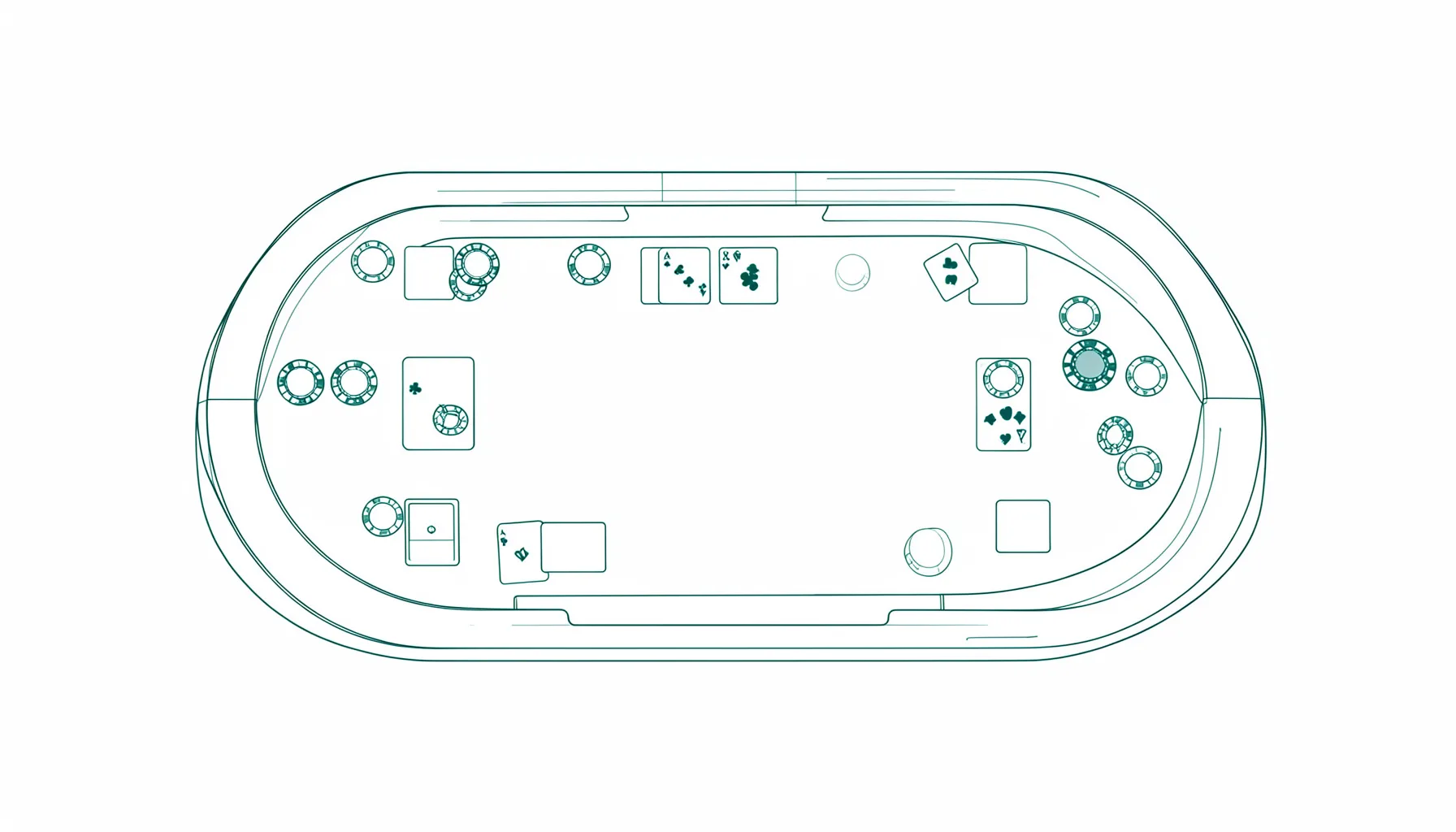
Camera placement can strengthen or weaken a signal. An overhead shot usually shows chip and card positions, while a front-facing view captures the dealer’s expression and hands. Some streams also place a current action, card total or betting timer beside the video. These overlays are useful redundancy: if a palm movement falls outside the crop or a viewer cannot hear the studio, the graphic still records what the interface expects next.
Multiple games add another layer. Anyone comparing simultaneous blackjack sessions can use the multi-table session guide to understand how many windows, camera views and attention checks are involved. Multi-table play can reduce waiting time, yet it can also divide attention enough that a dealer’s pause, chat reminder or changing result is noticed late.
The stream still depends on ordinary technical basics: a current browser, an updated operating system, touch controls that match the device and a stable broadband or mobile connection. Regional Australian players may encounter variable mobile coverage, so a visible full-screen signal is valuable but not a substitute for a reliable feed. The hand signal, graphics, game history and account record should form a consistent set rather than competing sources of truth.
The Australian context for live play
Australian legal and market conditions shape access as much as they shape the studio experience. Sydney and Melbourne are major centres for licensed land-based casinos, where patrons must be at least 18 and meet age and identity requirements. The physical-dealer experience therefore remains locally familiar, while phones and tablets provide a convenient way for eligible adults to access separately licensed online services.
Regulation is divided across jurisdictions. State and territory gambling commissions set the licence conditions for local operators, and the availability of online casino games varies by location. At federal level, the Interactive Gambling Act 2001 restricts interactive gambling services, with the Australian Communications and Media Authority able to act against prohibited providers. A service licensed in one state cannot simply be assumed lawful for residents of another.
New South Wales adds a particularly visible restriction: a $10 daily stake limit for online casino play by NSW residents. Elsewhere, locally licensed balances and bets are generally presented in Australian dollars, and many operators provide deposit limits, session reminders and reality checks. Self-exclusion and bank payment blocks can add another layer for anyone wanting firm boundaries around gambling activity.
Safer habits for longer sessions
The signals regulate flow, but they are not a money-management system. A clear stand gesture says when drawing stops; it does not control how long a session lasts or what a person can afford. Setting a cash or time limit before joining, using deposit controls and leaving after a predetermined break are more reliable than trying to interpret fatigue through the dealer’s movements.
Mobile access makes that discipline particularly relevant in Australia. It is easy to open a game during a train journey, a break in Sydney or Melbourne, or an evening at home on a shared device. Session-lock tools, reminders and keeping gambling activity separate from ordinary banking can stop a quick check from becoming an unplanned hour. Players outside major cities should also allow for connection changes when a mobile signal drops.
Signals are most useful when the player knows what each phase means, but they are not proof of the result on their own. The published rules, recorded hand history and account ledger provide the stronger reference when a display or communication seems inconsistent. The dealer’s gestures still serve a practical role: they standardise action, aid supervision and make the live format easier to follow without pretending that every studio follows exactly the same choreography.