Live casino and brick-and-mortar casino experiences compared
A live casino recreates the atmosphere of a gambling venue through real-time video, professional dealers and streamed tables. Instead of walking into a casino, players join a digital room where they can place bets on games such as blackjack, roulette, baccarat and game-show formats from a computer or mobile device.
The difference is less about whether the dealer is real and more about the setting around the game. A physical casino offers a social venue, physical chips, hospitality and the buzz of a crowded floor. A live dealer platform offers convenience, flexible access and a direct video connection without the travel, queues or background noise.
What the experience feels like
A brick-and-mortar casino is a complete outing. In Australia, that might mean visiting Crown Melbourne, The Star Sydney or a regional casino after dinner, then moving between tables, bars and entertainment areas. The lighting, music, uniforms and other players create an atmosphere that is difficult to reproduce fully through a screen.
Live casino gaming is more private and controlled. You can sit at home in Brisbane, Perth or Adelaide, choose a table and leave whenever you wish. The dealer usually speaks to the camera, responds to chat messages and explains procedures, giving the session a social element without requiring face-to-face interaction.
That balance appeals to players who enjoy the human side of casino games but would rather avoid a crowded venue. It can also suit an “arvo” session at home, provided the operator is legally available in the player’s location and the person treats the activity as entertainment rather than a way to recover losses.
How the games are run
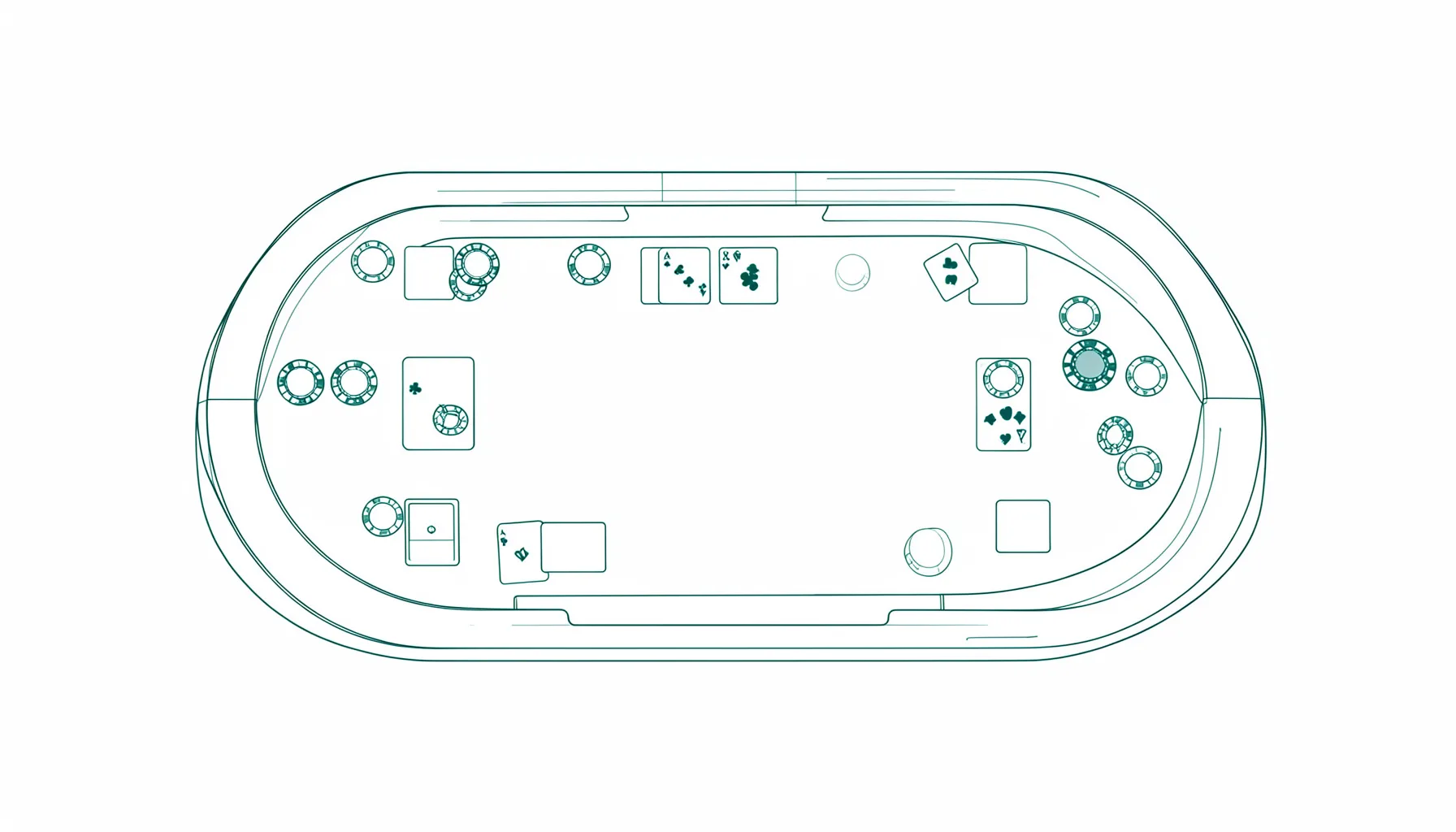
At a physical table, the dealer handles cards, spins the wheel or manages the baccarat layout directly in front of the players. You can see the equipment from several angles and watch other people react in real time. Bets are generally placed with chips, and the dealer may adjust the pace depending on the table and the number of players.
A streamed live table uses multiple cameras, microphones and software that displays betting options and outcomes. The dealer operates in a studio, while players use buttons on the screen to select wagers. A short countdown gives everyone time to bet before the cards are dealt or the roulette wheel is spun.
The game rules should be the same in principle, but the interface adds another layer. Players need to understand betting timers, minimum and maximum stakes, side bets and connection indicators. A guide to payout table reading can help newcomers check roulette returns before placing a wager.
The role of the venue
A physical casino offers services that sit outside the game itself. It may have restaurants, bars, hotel rooms, shows, loyalty programs, ATMs and customer service desks. The venue also creates a clear boundary between ordinary daily life and gambling time, although that separation can encourage longer visits once someone is inside.
Online live casino platforms remove most of those surrounding features. There is no need to dress up, find parking or travel across town, and a player can compare several tables quickly. This convenience is a major benefit, yet it also makes gambling easier to access during moments of boredom or stress.
The visual setting still matters online. Camera angles, studio lighting, dealer presentation and table graphics influence how professional and comfortable the experience feels. Readers interested in the wider relationship between visual design and entertainment can explore visual production ideas alongside the more practical gaming features.
Speed, access, and comfort
A live dealer table usually moves faster than a traditional casino table with a large group of players, because digital controls streamline betting and payouts. Some platforms provide several tables running at once, allowing players to switch from blackjack to roulette without walking across a gaming floor.
Physical casinos offer a different type of flexibility. Players can watch a table for a while, ask a dealer a question or chat with people nearby. They can also use cash or chips rather than an online balance. However, opening hours, travel time and busy periods affect the experience, especially on a Friday night in Sydney or during a major event in Melbourne.
Technology plays a central role online. A stable NBN connection or strong mobile network, a modern browser and a charged device can prevent many problems. Headphones may improve clarity, while a larger screen makes betting controls easier to read than a small phone display.
Comparing the main differences
| Feature |
Live casino online |
Brick-and-mortar casino |
| Location |
Home, hotel or another private setting |
Licensed physical venue |
| Dealer interaction |
Video, voice and chat |
Face-to-face conversation |
| Equipment |
Digital controls and streamed cameras |
Physical cards, chips and wheel |
| Convenience |
Available through compatible devices |
Requires travel and venue access |
| Social atmosphere |
Limited to chat and the streamed table |
Crowds, staff and surrounding entertainment |
| Pace |
Often consistent and timer-based |
Varies with the dealer and table |
| Payments |
Digital deposits and withdrawals |
Cash, chips or venue payment systems |
| Additional services |
Usually focused on gaming |
Food, drinks, shows and loyalty programs |
| Privacy |
Can be played alone |
Public environment with other guests |
| Regulation |
Depends on the operator and jurisdiction |
Governed by local venue licensing rules |
Neither format automatically provides better odds. The mathematical advantage comes from the rules, paytable and wager type, not from whether the table is in a studio or a casino building. Players should compare those details rather than assuming that a more glamorous setting means a better deal.
Costs, rules, and Australian realities
A venue visit can involve transport, parking, food, drinks and accommodation, as well as the gambling budget. Online play removes many incidental costs but may make repeated small wagers feel less noticeable. Keeping a fixed session limit is useful in either setting.
Australian gambling regulation is divided between federal and state or territory frameworks. Land-based casinos operate under local licensing requirements, while online casino services face restrictions under the Interactive Gambling Act. Availability, advertising and account access can change, so Australian players should check current official guidance and the operator’s legal position before registering.
Payment methods also differ. A physical venue may accept cash, cards or casino-issued systems, while an online platform may require digital banking or e-wallet options. Verification checks, withdrawal rules and identity requirements should be read carefully rather than treated as minor account formalities.
Checks before joining an online table
- Confirm that the service is permitted for Australian users
- Read the minimum stakes and payout rules
- Test the connection, sound and camera stream
- Set a time and spending limit before playing
A player in Hobart or the Gold Coast may experience different connection quality from someone using high-speed internet in central Sydney. Mobile data can work well for short sessions, but live video may consume significant data and become unstable in areas with weak coverage.
Checks before visiting a venue
- Review the venue’s entry, dress and identification requirements
- Decide how much cash or credit will be used
- Allow for transport and late-night travel
- Learn the venue’s responsible gambling facilities
Most Australian casinos provide self-exclusion, gambling support and limits on certain forms of play. Staff can explain these options, and using them is a practical safety measure rather than a sign that someone has failed to control a session.
Which format suits different players
Live casino gaming suits people who value immediate access, a familiar digital interface and the ability to play without committing to a full night out. It can be a comfortable way to learn table procedures, since many platforms show betting areas, countdowns and dealer actions clearly on screen.
A physical casino may suit players who want a broader social occasion. The trip can include a meal, live music or time with friends, and the venue provides a stronger sense of occasion. Some people also find it easier to recognise how long they have been playing when they physically exchange cash for chips and leave the table.
New players should focus on simple rules first. European roulette, standard blackjack and baccarat are easier to compare than tables crowded with side bets and complex promotions. The format should support clear decision-making, not distract from it.
Making a measured choice
The best choice depends on the type of experience a player wants, the practical limits of the location and the rules that apply in Australia. Online live tables provide convenience and direct dealer contact, while physical casinos deliver atmosphere, hospitality and a stronger in-person social setting.
Before either session, it helps to understand the game, check the costs and decide when to stop. A friendly dealer, polished studio or lively casino floor can improve the experience, but none changes the underlying risk. The most useful comparison is the one that keeps convenience, entertainment and control in view at the same time.