How live casino studios manage multiple tables simultaneously
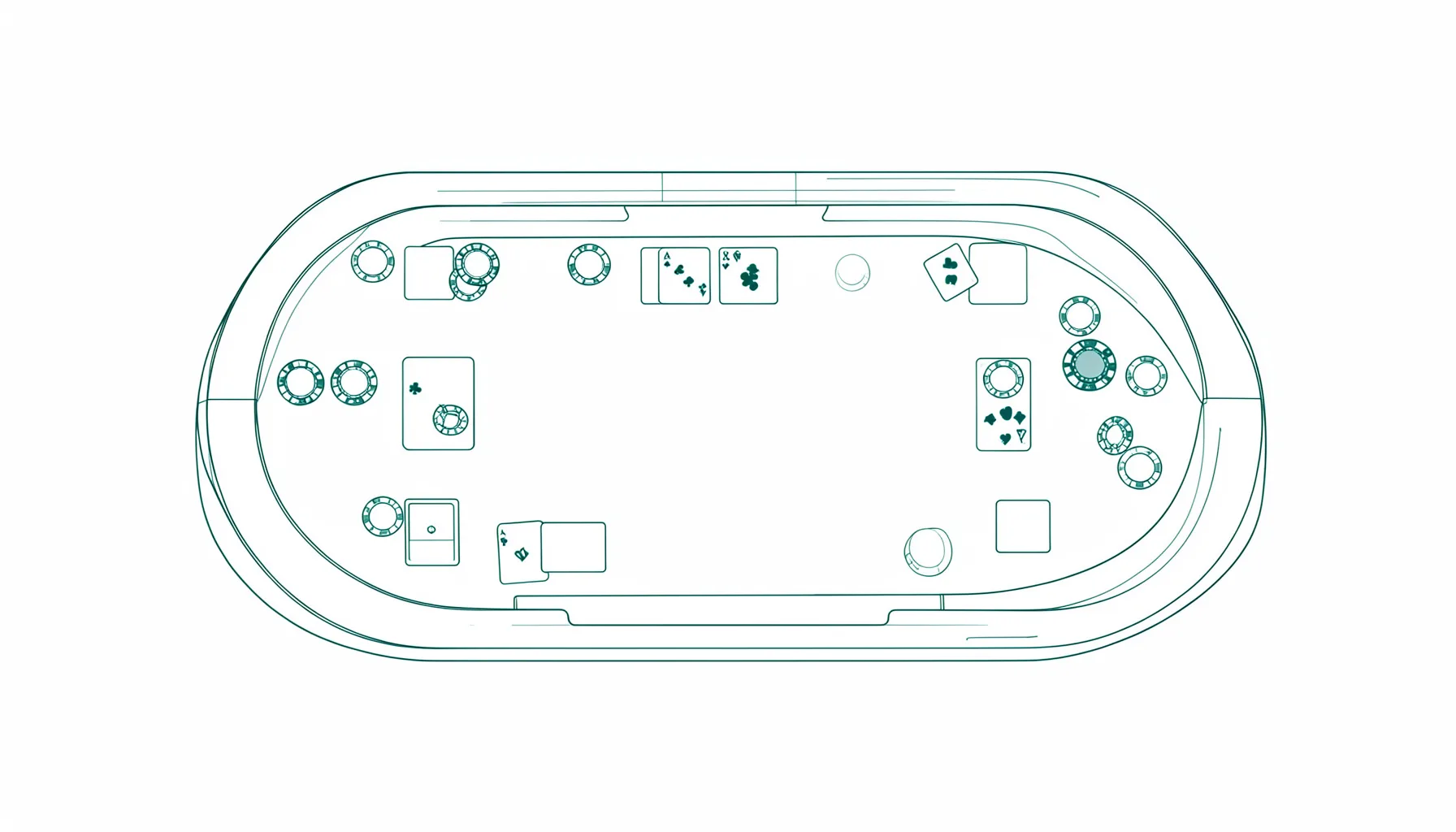
A live casino floor can look deceptively simple: one dealer, several cameras, chips, cards, and a result screen. In practice, every table is a compact production unit feeding a controlled broadcast system. Running blackjack, roulette, baccarat, and game-show tables side by side requires careful organisation, specialised staff, and technology that keeps each picture and betting state separate.
The work extends beyond recording extra streams. Each game has its own rules, event timing, camera angles, microphones, chip-reading needs, and settlement process. Studios standardise those elements so a player joining any table receives a consistent interface, while supervisors still handle exceptions, disputes, and changing demand.
Human coordination matters as much as hardware. Dealers need clear sightlines and acoustic separation; floor managers balance coverage; technicians watch feeds; compliance staff follow procedures. A pause at one table must not delay another, so teams work from scripts, status signals, and precise handovers rather than informal cues alone.
Australian players may join through a home NBN connection in Sydney or Melbourne, fixed-wireless internet, or mobile broadband outside major cities. They commonly browse in Australian dollars and must be at least 18 to gamble. Because state and territory rules differ, a reliable operator should display suitable licensing, age controls, deposit limits, and responsible-play information before play begins.
From table to broadcast control
Each table sits within a carefully planned studio zone. Roulette wheels need stable camera mounts and precise overhead views; blackjack and baccarat tables need angles that reveal cards, chips, and the dealer’s actions without exposing private systems. Game-show sets may use several cameras, but their audio, lighting, and props are isolated from neighbouring stations.
A central production team receives a dedicated feed from every table. Cameras feed processing and encoding units, while table microphones and the game interface travel through separate channels. Operators label each source, monitor audio levels, check latency, and record only what the retention policy requires. Separate pipelines prevent a faulty cable at one table from corrupting the others.
Power, network, and communications are backed up. Studios commonly use redundant connections, uninterrupted power supplies, spare equipment, and tested failover procedures. A table can be taken out of service without closing the floor, and staff can move a settled game to another stream position while the schedule continues.
People, pacing, and table assignments
The floor is divided into teams, with dealers assigned to specific games and rotating through breaks. A floor manager watches pacing, staffing, and player demand, while table supervisors verify rules and resolve irregularities. Shifts are planned around the full operating day rather than a single session, since fatigue and rushed decisions can harm both service quality and game accuracy.
Demand changes by hour and game. A popular low-stakes blackjack table may need another dealer, while a baccarat station could move into a scheduled break. Studios track seats, waitlists, chip inventory, and incident logs, but they do not force faster decisions merely to fill capacity. The goal is steady, readable play with enough time for the dealer and participants to follow the game.
For players in Melbourne, Brisbane, or Perth, the same table may operate at an unusual local time because studios run around the clock. Visibility can differ between day and night shifts, and lighting is adjusted without changing approved camera positions. Australian-facing products may also support A$ balances, yet players should confirm the displayed currency and chip values before committing funds.
Coordinating streams without collisions
Broadcast and table operations use two synchronised checklists. The first protects the signal; the second protects the game. Staff know who owns each stage of the process, from the physical table and dealer to the final encoded feed, and status codes show whether an interruption is technical, operational, or compliance-related. Broadcast controls generally include:
- Dedicated capture, encoding, and recording paths for every table
- Continuous monitoring of picture, sound, timestamps, and connection health
- Tested backup routes that can replace a failed feed quickly
Table controls similarly depend on clearly assigned responsibility:
- A named floor manager for staffing, pacing, and escalation
- Current rule settings, approved graphics, and verified chip denominations
- Recorded handoffs when dealers, supervisors, or technicians change
Synchronisation does not mean every game begins together. It means each table’s events reach its interface in the correct order and arrive quickly enough for betting decisions. A broadcast delay may be used for protection and moderation, while latency displays and connection tests help explain differences players may notice between locations.
Rules, interaction, and player choices
A visible dealer can personalise the experience, but interaction follows studio procedures. Players often use an on-screen interface to select chips, send approved messages, or request a check-in, while the dealer follows a monitored conversation script. Side conversations, repeated-timer requests, and disputes are handled through supervisors rather than improvised at the table.
Before joining, it helps to compare live blackjack house edge with digital blackjack outcomes. The number of decks, payout for blackjack, dealer stand rule, split and double options, insurance, and side bets all affect cost and volatility. A polished studio feed does not change those mathematical choices, so understanding table-specific rules remains essential.
Roulette, baccarat, and game-show formats create different demands. Roulette requires visual certainty about the wheel and winning bets; baccarat depends on fast but orderly card reveals; studio formats may combine a host, timed rounds, multipliers, and entertainment cues. Choosing a familiar format reduces distraction during the first few rounds.
Reliability, mobile access, and safer sessions
A strong home connection is usually more important than headline internet speed. Upload capacity, latency, packet loss, and Wi-Fi stability affect video and betting controls. Australian homes on fibre or a well-positioned NBN connection may perform consistently, while users on mobile or regional links should test in advance, prefer Ethernet where possible, and move away from crowded public Wi-Fi.
Even a stable feed can become hard to follow when notifications, streaming apps, or repeated betting prompts compete for attention. Guidance on avoiding live-game distractions can help players silence nonessential alerts, keep the game rules visible, and step away after a planned block rather than continuing through fatigue. A second screen does not automatically improve decisions.
Session tools should be used before stakes rise: set a time and cash limit, keep reality checks visible, and never chase a loss. Australians aged 18 or over can still make poor choices under pressure, and access controls are not a substitute for personal limits. If a stream freezes, a result looks unclear, or the interface stops responding, stop betting and contact the operator’s support channel for the recorded table reference.