Pace of Play: How Live Blackjack and Online Blackjack Differ
Blackjack has always been a game about rhythm. The shuffle, the deal, the pause while a player decides — that cadence shapes how a session feels and how long a bankroll lasts. In a Melbourne lounge or a Sydney hotel room, the tempo of the table quietly decides whether a player walks away relaxed or drained.
For Australian players, the difference between a live dealer stream and a standard online blackjack game is more than a visual flourish. It is a measurable shift in hands per hour, in the time between decisions, and in the social texture around the table. The two formats can look similar on a phone screen, but the clock behind them runs on different rules.
A useful way to think about pace is to treat each hand as a small investment of time. Some Australians sit for a short session after work; others block out a Saturday evening. Knowing how many rounds a format delivers in a given window is what separates a calm experience from one that races past.
What Pace of Play Really Means in Blackjack
Pace of play is the speed at which hands unfold from shuffle to settlement, usually measured in hands per hour. That number hides a few moving parts. The shuffle, the deal, the time each player takes to act, and any side bets all add up. Faster is not always better, especially when decisions require concentration.
Players who have stood behind a felt table in a Crown casino already understand the slower end. Cards are shuffled by hand or machine, decisions take twenty or thirty seconds each, and banter with the dealer is part of the experience. That tempo gives the brain time to apply basic strategy without pressure.
Online blackjack removes most of those pauses. The software deals instantly, decisions happen with a single tap, and rounds resolve in seconds. Live dealer blackjack sits in the middle: cards are still physical, decisions still take real time, but the streaming setup compresses the gaps between players and speeds up the housekeeping.
How Live Dealer Blackjack Sets Its Rhythm
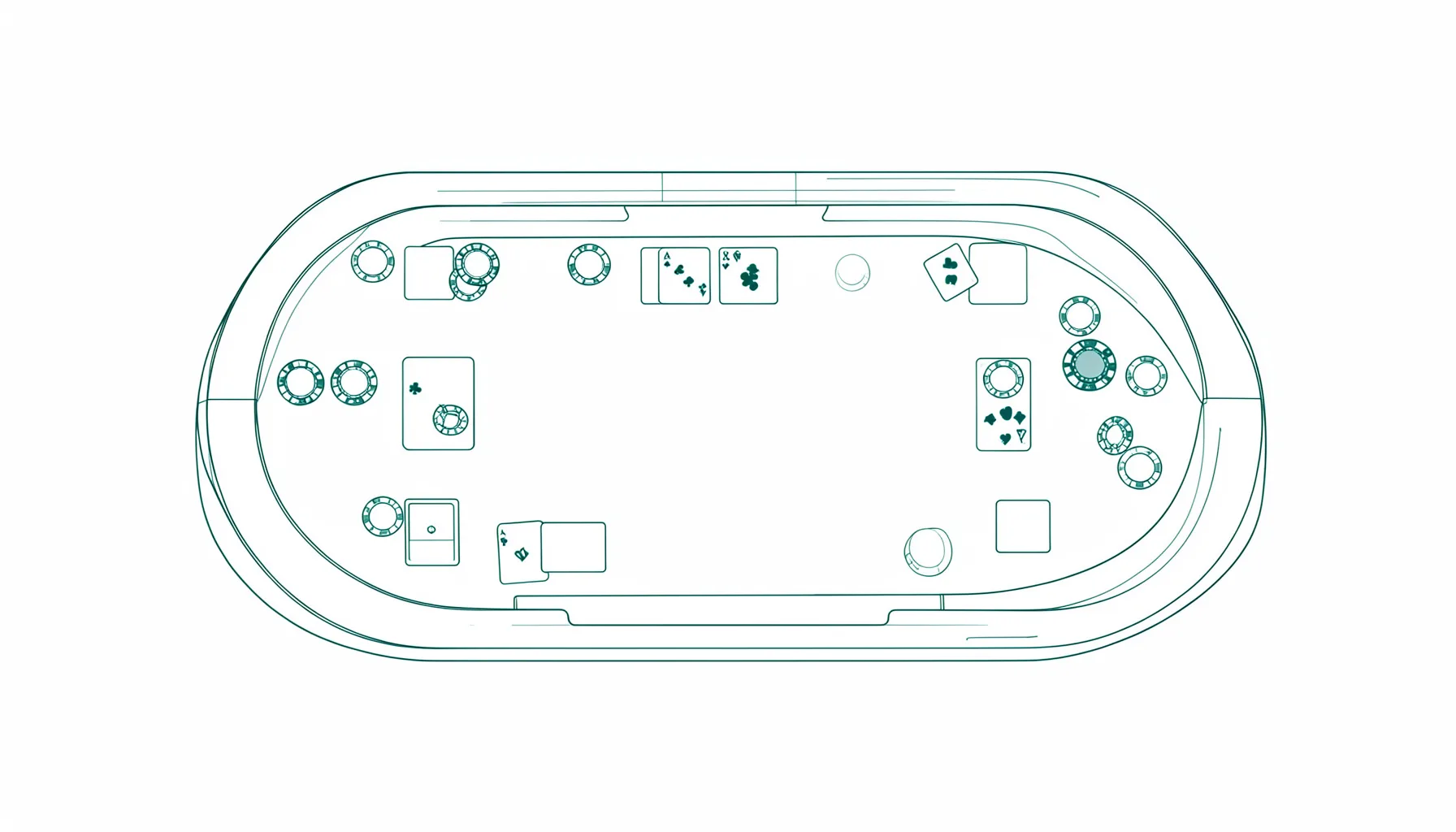
In a live studio, a real human dealer stands behind a physical shoe. Cameras stream the action in high definition, often from multiple angles. A typical live blackjack round, from deal to payout, runs between fifteen and twenty-five seconds when players act quickly. With seven seats and a steady flow, an hour delivers around fifty to seventy hands.
The stream is built for global audiences, and Australian players usually connect through local servers in Sydney or international hubs in Asia. A solid NBN connection in Brisbane or Perth keeps the video smooth, and most providers allow tables with specific limits. Some studios have introduced automated shufflers that cut the time between rounds by several seconds, while game-show variants push the pace further with multipliers.
A practical example of that pushed pace is a high-roller multiplier game, where the action is built around side bets and rapid resolution. For Australians, the appeal is the physicality combined with digital speed, but any lag on the home network will slow decisions and break the flow.
How Standard Online Blackjack Runs at Speed
A standard online blackjack table uses a random number generator to deal virtual cards. There is no human dealer, no shuffling break, and no waiting for other players. As soon as a hand is resolved, the next one appears, often within two to three seconds. Decisions are made with clicks or taps, and a rebet button places the same wager and even the same strategy automatically.
The result is a very high hands-per-hour count, often between two hundred and four hundred depending on the software. That sounds efficient, but it can quickly eat through a budget. A AUD 10 bettor playing four hundred hands in an hour will see wide swings in their bankroll. The pace is unforgiving because there is no natural break between hands.
For players in Adelaide or Hobart who want a quick session, the format works well. The mobile interface is built for fast play, and most providers have stripped the screen down to the essential buttons. The trade-off is that the game can feel mechanical, and the social element is replaced by pure rhythm.
Comparing the Two Formats Side by Side
| Feature |
Live Dealer Blackjack |
Online Blackjack |
| Hands per hour (approx.) |
50–70 |
200–400 |
| Time per decision |
10–20 seconds |
2–5 seconds |
| Social interaction |
Chat with dealer and players |
None, or limited AI chat |
| Visual experience |
Real cards, real studio, multiple cameras |
Animated graphics, optional live visuals |
| Mobile data use |
Higher, due to video stream |
Low, mostly text and animation |
| Best for |
Players who enjoy slower, social play |
Players who want rapid solo sessions |
| Typical session length |
45–90 minutes |
10–30 minutes |
| Pace control |
Limited to the table |
Player can rebet instantly or pause |
Where Australian Habits Meet the Dealer Clock
Australians approach gambling with a few habits worth noting. The federal Interactive Gambling Act 2011 shapes how operators reach the local market, and many players use offshore platforms that accept AUD and run live dealer studios. The ACMA actively blocks unlicensed sites, so experienced players tend to stick with well-known international brands that have built a local reputation.
Local culture also shapes how the pace is received. Australians are used to pokies in pubs, where spins take three or four seconds, and to sports betting on AFL and cricket, where the action follows a longer rhythm. Live dealer blackjack sits between those experiences, which is why it has grown during evening hours when the stream from a European or Asian studio lines up with Australian prime time.
Mobile play is another defining factor. With high smartphone penetration and widespread 4G and 5G coverage, Australians often play on a phone rather than a laptop. Live dealer streams can be demanding on data, but providers have optimised their feeds. Standard online blackjack runs smoothly on almost any device, which keeps it the format of choice for shorter sessions in Melbourne and Darwin.
Common Mistakes Players Make With the Tempo
One common mistake is assuming faster play is always better. A higher hands-per-hour count means more variance and more chances to deviate from basic strategy. New players often jump into rapid online blackjack, lose quickly, and blame the format rather than the pace. Slowing down, even in a digital game, is one of the simplest ways to stretch a bankroll.
Another mistake is misjudging the live studio. A slow connection in regional Western Australia or Tasmania can cause buffering that disrupts the rhythm and forces rushed decisions. Most providers recommend a stable connection of at least five megabits per second for live dealer play, and it is worth testing the stream before committing real money.
Finally, some players treat live blackjack as a purely social event and forget the time cost. Chatting with the dealer is part of the charm, but it adds to the session length. A two-hour live session can stretch to three, which changes the effective hourly cost of the entertainment. Being aware of the clock is as important as being aware of the cards.
Matching Your Style to the Right Format
For Australians who enjoy the feel of a real table, the social banter, and a more deliberate pace, live dealer blackjack is the closer match. It rewards patience, suits longer sessions, and gives a sense of occasion that standard online games cannot match. It is also the format that translates most directly from a physical casino experience, which makes it a good bridge for players moving from land-based venues to online play.
For those who prefer short, focused sessions, lower data use, and the ability to play a quick hand while waiting for a coffee in a Brisbane café, standard online blackjack is hard to beat. The pace is fast, the rules are simple, and the bankroll can be managed more tightly because each hand is a known cost. The trade-off is a less immersive experience and a higher risk of chasing losses.
The honest answer is that neither format is better in every situation. A live dealer game runs at the rhythm of a real human being, while an online game runs at the speed of software. Australian players who understand that difference, and who choose their format around the time they actually have available, tend to enjoy blackjack more and stay in control of their sessions.