How Live Dealer Games Adapt to Different Screen Sizes
A live dealer session combines a streamed studio feed with controls for bets, chips, cards, and account actions. The dealer, table, and current game state must stay readable whether the player uses a wide monitor or a compact phone. Responsive design keeps these elements connected as the viewport changes, rather than forcing one fixed layout onto every device.
How live dealer games adapt to different screen sizes affects how players read a table, follow the pace, and respond to the dealer. A clear layout can reduce taps and misplaced actions, while cramped controls may hide useful information. Screen fit does not change the rules or randomness of a game, yet it strongly influences comfort and confidence during longer sessions.
For Australian players, this technical choice sits alongside identity checks, local gambling rules, and mobile habits shaped by busy cities and dispersed households. Phones, tablets, laptops, and televisions offer different viewing distances and control methods. The useful comparison covers layout, visibility, and performance, not simply display size.
Responsive Tables Start With the Player
Most casino interfaces use responsive breakpoints to rearrange the table as space narrows. On a desktop, betting controls, statistics, chat, and account functions can occupy separate side panels. On a smaller viewport, those panels may become drawers, tabs, or a single action bar beneath the dealer feed. The stream remains the visual centre while controls move closer to likely thumb positions.
This rearrangement should preserve context. A player should be able to see the wager, current balance, winning result, and permitted next action without opening several menus. Designers commonly enlarge tap targets, simplify chip selectors, and retain critical labels instead of shrinking desktop text to an unreadable size. Good responsive design changes density intelligently, rather than making every button smaller.
Browser zoom and pixel density also matter. A phone may have enough pixels for a sharp image, while low resolution or tiny type still obscures card ranks and roulette numbers. Checking the lobby at normal brightness gives a better impression than promotional screenshots.
Phones Favour Quick One-Handed Play
Portrait mode keeps the dealer and most betting options in a vertical stack. That format suits one-handed use because the action button can sit near the bottom of the screen, where a thumb reaches naturally. Chip controls need generous spacing so a quick tap does not select a larger denomination or trigger an unintended wager.
On smaller screens, secondary tools such as sound settings, statistics, history, and help may collapse behind icons. This saves room but can slow learning if essential rules are buried too deeply. Players new to a table benefit from visible limits, recent outcomes, and a clear route to the rules, since landscape mode alone will not explain unfamiliar choices.
This suits everyday Australian use, such as a train ride into Sydney, a café break in Melbourne, or a quiet evening at home. Portrait controls are convenient there, yet mobile data and interruptions make pause and session limits important. A stable connection and quick exit matter when access depends on one device.
Landscape Mode Creates More Table Space
Turning a phone sideways gives the dealer feed and table more horizontal room. The roulette betting board or blackjack betting circle can regain some of the proportions lost in portrait mode, while chip and action controls sit along an edge. The interface may also expose more statistics, but useful information still needs enough contrast and spacing to remain scannable.
Full-screen landscape removes browser tabs and notification bars, creating a cleaner game view. Tablets benefit from this arrangement because their larger touch areas reduce errors and can show more of the table at once. Laptop players gain space without rotating, whereas television viewers may appreciate the wide feed but find small controls awkward without a mouse, remote, or gamepad.
Orientation changes can interrupt play if the operator has locked portrait mode. Checking rotation before depositing is useful, especially on unstable Wi-Fi. A dual-orientation lobby should move controls without covering the dealer, cards, wheel, timer, or settlement message.
Video, Controls, and Adaptive Detail
Live video is designed around aspect ratios, camera crops, and graphic overlays. When a 16:9 stream appears in another shape, the studio may preserve the whole frame, crop an edge, or reposition game information within a reserved safe area. The bettable region should never depend on an area hidden behind a phone notch, curved display, or narrow control bar.
Network adaptation can lower video resolution when bandwidth falls, preserving movement and timing more effectively than freezing the feed. Players may notice softer card edges before anything changes about the wager. Latency is a separate issue: a clear picture can still arrive late, so recent actions and connection indicators help players judge whether the session is functioning normally.
Broader notes on digital interface layouts can help explain why controls move, although the live lobby itself remains the best test. Compare portrait and landscape views, check text size, and notice whether the dealer stays visible. Screenshots cannot reveal lag, colour balance, or glare on an actual device.
Classic Tables Need Different Layouts
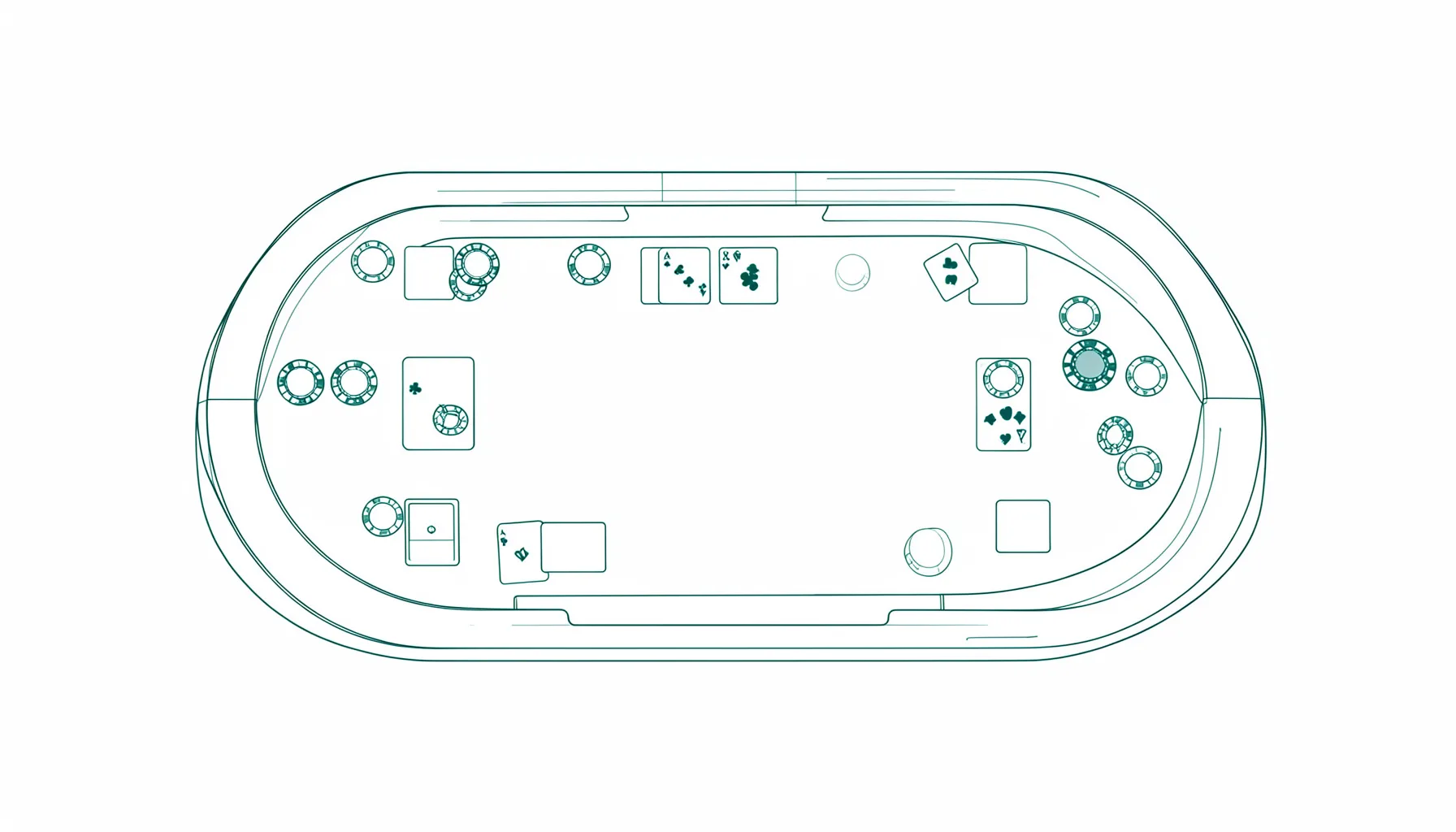
Different games place different demands on a responsive interface. Blackjack is action-heavy: two card positions, chips, insurance, doubling, splitting, and a running hand total need to remain distinct. A compact layout can collapse less-used choices until they are needed, but the current hand and legal actions should stay visible.
Roulette needs a broad betting board, chip placement, and a clear view of the wheel result. Small screens may use a condensed board, adjustable chips, or confirmation for larger bets. Baccarat presents fewer decisions, yet its side bets, score display, and road-style histories can still crowd the portrait view.
Game-show formats add animated graphics, presenter prompts, and timed choices, so simplified overlays must retain the result, timer, and payout information. For blackjack, outcome handling is separate from screen design; the explanation of live dealer card randomness provides useful context on that distinction.
Australian Networks and Legal Boundaries
Australia’s legal setting adds an important layer. The federal Interactive Gambling Act 2001 restricts interactive gambling services, the Australian Communications and Media Authority blocks many prohibited offshore sites, and state-based rules determine the status of locally licensed products. Availability can therefore differ from the list shown by an international casino lobby, making a current legal check essential before any account or payment is created.
Access patterns also vary across the country. A commuter in Brisbane or Perth may meet variable mobile coverage, while a player in a regional area may depend more heavily on fixed broadband. Dense city apartments encourage phone use on the move; at home, a tablet or laptop may provide steadier Wi-Fi. Testing both connection types can prevent a session from becoming frustrating during a round.
Australian casinos generally require players to be at least 18, verify accounts, and set limits. Identity checks may use a code, document review, or selfie, so camera quality and upload speed matter before the game opens. Budgeting in Australian dollars and using reminders helps prevent technical ease from encouraging unplanned sessions.
Choosing a Session That Fits
Before choosing a device, update the browser, confirm that data saver or battery saver is not blocking video, and run a quick connection test. Headphones can make dealer instructions and game prompts easier to hear in a busy household, while captions or visible alerts can help players who cannot rely on audio. Full-screen mode should still leave the account and responsible gambling controls within reach.
Players can then inspect table rules, minimum and maximum stakes, statistics, and the expected pace of rounds. Blackjack may run in many quick hands, roulette wheels proceed on fixed spins, and baccarat decisions can come thick and fast. A screen that is attractive for a slow game may become tiring when repeated prompts require rapid attention.
The best fit keeps the dealer, wager, result, and next action visible on a stable connection. On a shared television, larger text may matter more than animation; on a commuting phone, responsiveness and easy pausing may matter more. Legal status, game rules, and sensible limits complete a controlled setup.