How Live Casino Studios Ensure Fair Play with RFID Technology
Live dealer casinos bring the table into a streamed studio, where players can watch a croupier deal cards, spin a wheel, or manage a baccarat round in real time. That experience depends on more than high-definition cameras and polished presentation. Studios also need reliable systems that record what happens at the table and help operators identify irregular activity.
Radio-frequency identification, usually called RFID, is one of the technologies used for this purpose. Special chips, sensors, cameras, and casino software work together to create a digital record of wagers and results. For Australian players comparing live blackjack or roulette platforms, understanding this process can make the technology behind fair play easier to recognise.
What RFID Adds To A Live Table
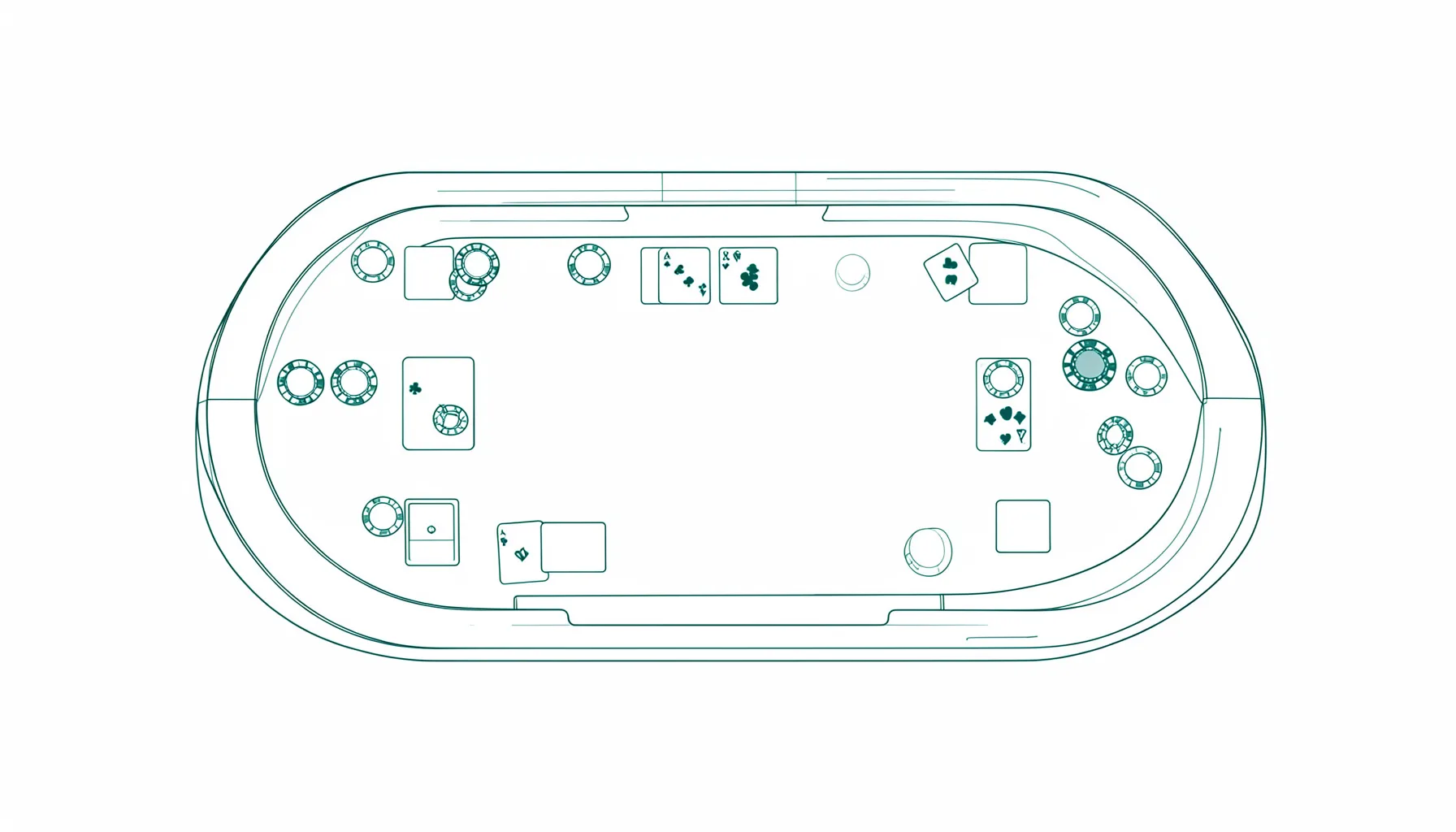
RFID uses small electronic tags embedded in casino chips or placed within table equipment. Readers positioned beneath the betting layout or around the table detect those tags and identify the value, location, and movement of selected chips. The system then sends this information to a central platform, where it can be matched with the visible action on the stream.
A player may see a dealer collect a stack of chips after a completed roulette spin. Behind the scenes, the RFID reader can register which wagers were placed, where they sat on the layout, and whether they were removed after the result. This creates an automated record instead of relying entirely on a dealer or camera operator to enter information manually.
The technology does not decide whether a bet wins. In a roulette game, for example, the physical wheel and ball determine the outcome. RFID helps confirm the wagers that were active before the spin and supports accurate settlement afterwards.
Tracking Bets Before The Result
Timing is a central part of live casino integrity. A platform must distinguish between bets accepted before a result and wagers submitted after the betting window has closed. RFID data can help establish that sequence by recording when chips arrive at a betting position and when they are moved away.
This is useful in fast games such as live baccarat, where cards are dealt quickly and several betting areas may be active at once. If a dispute occurs, operators can compare the timestamped chip data with the dealer’s actions, the table feed, and the platform’s betting log. Any mismatch can be flagged for review rather than being silently corrected.
RFID also reduces the risk of manual transcription errors. A dealer does not need to type every chip value into a terminal, which helps prevent mistakes involving denominations or betting zones. Human supervision remains important, but the electronic trail gives compliance teams a stronger basis for checking what took place.
Combining RFID With Cameras And Sensors
RFID is most effective as part of a wider surveillance system. Studios typically combine table readers with multiple camera angles, overhead views, close-ups of cards or the roulette wheel, and software that monitors dealer procedures. The video shows what happened physically, while RFID data helps translate chip movements into structured information.
In blackjack, cameras can show the dealing sequence, the dealer’s upcard, and the final hand. RFID may track the chips placed in player betting boxes, while card-recognition equipment can record the cards exposed during the round. If the visual record and electronic data disagree, the hand can be paused, reviewed, or referred to an internal integrity team.
This layered approach matters in a studio serving players across different time zones, from Sydney to Perth. A stream may look smooth on a mobile phone, but the back-end system still needs to preserve accurate event records if a connection drops or a customer challenges a settlement. Strong operators retain logs and video according to their regulatory and operational requirements.
Protecting The Dealer And Player Experience
Technology is designed to support dealers rather than turn the table into a completely automated environment. The croupier still handles cards, spins the wheel, confirms results, and communicates with customers through the live interface. RFID simply gives the studio another method of confirming that the dealer’s actions and the platform’s records match.
This can also protect staff from unfounded allegations. If a player in Melbourne believes a chip was moved after the betting window, a review can examine the stream, RFID events, and system timestamps together. The evidence may show a legitimate correction, a display delay, or an actual operational mistake. Clear records help separate a technical issue from deliberate misconduct.
Players who enjoy a slower evening session may prefer live roulette or baccarat, while others move between table games and live slots. The same principle applies across the wider casino experience: reliable software should record activity clearly, display rules openly, and provide a traceable basis for settling bets.
Where The Technology Has Limits
RFID does not make a casino automatically fair. The chips, readers, table software, cameras, and network all have to be tested and maintained. A damaged chip, a faulty antenna, or a wrongly configured betting zone could produce incomplete information. For that reason, studios use calibration checks, equipment inspections, exception alerts, and manual reviews.
There are also privacy considerations. A chip tag normally identifies the casino’s token rather than a player’s personal identity, but the associated betting account can link activity to an individual. Operators should explain how records are used, protected, and retained. Australian customers should read the privacy policy and terms of the particular platform rather than assuming every offshore service follows the same standards.
RFID also cannot prove that every aspect of a game is honest by itself. It does not replace licensing, independent audits, dealer training, responsible gambling controls, or clear dispute procedures. A trustworthy service usually publishes information about its operator, game rules, available support, and the jurisdictions in which it accepts customers.
Reading Fair Play Signals In Australia
The Australian market requires particular care because online gambling rules are not identical across all products. Online casino games such as internet blackjack and roulette may be treated differently from sports betting, lotteries, or gaming machines in land-based venues. Players in Brisbane, Adelaide, or elsewhere should check current Australian requirements and the status of an offshore website before depositing.
A professional live studio will usually make its rules easy to find, explain how rejected or interrupted bets are handled, and provide a visible history of rounds. It should also identify the operator and describe its technical safeguards without claiming that RFID alone guarantees perfect fairness. Independent testing information, responsible gambling tools, and responsive customer support are useful signs of a mature operation.
Local habits can shape the experience as well. A player watching a Melbourne evening session may be dealing with a time difference from a studio in Europe, while someone in Perth may see a different schedule entirely. Mobile compatibility is important for Australians travelling between cities or using variable home connections, but a stable stream should never be confused with proof that the underlying settlement system is sound.
Players can also compare general industry information through gaming technology notes while checking the specific terms of the casino they intend to use. The most meaningful safeguards are the combination of verifiable records, visible procedures, secure account controls, and a process for investigating disputes. RFID strengthens that framework by giving live casino studios a precise way to follow chips from the betting layout to the final result.